How to Prune Japanese red pine?
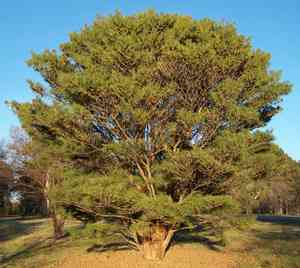
This evergreen conifer is prized for its distinctive umbrella-shaped crown and striking bark. Trimming should primarily involve eliminating deceased or ailing branches, and reducing crowded sections to boost light exposure and airflow. The most suitable period for pruning is in winter, during the tree's inactive phase. Pruning improves both the tree's framework and its visual appeal. Refrain from extensive pruning, especially on mature specimens, as this variety exhibits restricted regeneration from aged wood.
What Are the Benefits of Pruning Japanese Red Pine?
What Are the Benefits of Pruning Japanese Red Pine?
Trimming japanese red pine is essential for sustaining its vitality and desired structure. Strategic removal of growth encourages vigorous new development, ensuring a compact and visually appealing outline that contributes to the plant's overall well-being and decorative value.
What Is the Best Time for Pruning Japanese Red Pine?
What Is the Best Time for Pruning Japanese Red Pine?
Trimming japanese red pine from late winter to early spring, prior to the emergence of new growth, is ideal. This timing permits the removal of any dead or damaged branches that may have been affected by cold weather, without disrupting the growth cycle. Pruning during this period helps prevent exposing fresh cuts to harsh winter conditions, which can heighten the risk of damage or illness. Furthermore, since japanese red pine is a conifer with a single flush of growth in spring, pruning at this time aids in shaping the plant without impeding the development of new shoots and leaves. Avoiding the active growing season ensures the plant has ample time to recover and seal pruning wounds before it enters dormancy in the fall. This strategic timing aligns with the plant's natural growth cycle while preserving its health and aesthetic appeal.
What Tools Do I Need to Prune Japanese Red Pine?
Bypass Pruners
Perfect for making precise cuts on smaller branches of japanese red pine, minimizing damage to the cambium layer.
Loppers
Offer increased leverage for cutting through medium-sized branches of japanese red pine that are too thick for hand pruners.
Pruning Saw
Essential for removing large branches from japanese red pine, providing the capability to cut through dense wood without causing splintering.
Pole Pruner
Enables gardeners to reach higher branches on japanese red pine without needing a ladder, promoting safe pruning practices.
Shears
Useful for shaping japanese red pine and maintaining the visual appeal of its foliage without harming the surrounding needles.
Gloves
Protect the gardener's hands from the sharp needles and sticky resin of japanese red pine while handling the plant.
Safety Glasses
Prevent debris and wood particles from entering the eyes when pruning japanese red pine, ensuring the gardener's protection.
How to Prune Japanese Red Pine
Identify
Inspect japanese red pine for dead or diseased branches by looking for discolored, dry, or brittle wood, which indicates a branch may be dead or infected.
Sanitize
Clean and disinfect pruning tools with a solution of 1 part bleach to 9 parts water before making cuts to prevent the spread of disease.
Cut Dead Branches
Using sharp pruning shears or a saw, remove dead branches by making cuts at a slight angle just outside the branch collar to encourage proper healing without harming japanese red pine.
Cut Diseased Branches
Prune diseased branches by cutting at least several inches below the infected area to ensure all diseased tissue is removed, being careful not to spread pathogens to healthy parts of japanese red pine.
Dispose
Discard all removed dead and diseased material away from healthy japanese red pine specimens to prevent reinfection or pest infestation.
Common Pruning Mistakes with Japanese Red Pine
Overpruning
Removing excessive foliage from japanese red pine can significantly weaken the plant. Japanese red pine recovers more slowly from extensive cuts, which may lead to stunted growth or increased vulnerability to diseases and pests.
Improper Cut Location
Incorrect cutting spots can lead to damage of japanese red pine by leaving stubs or cutting too close to the trunk. This error can hinder proper healing and invite infections.
Shearing
Using shearing methods to shape japanese red pine into hedge-like forms can be detrimental to its natural shape and health. It promotes dense outer growth, reducing light and air circulation to the interior branches, which can lead to diseases.
Flush Cutting
Making cuts flush against the trunk or a main branch can remove the branch collar, impeding japanese red pine's natural healing process and creating an entry point for pests or diseases.
Pruning Without Reason
Randomly or unnecessarily trimming branches on japanese red pine can cause stress to the plant. All pruning should have a clear objective, such as removing dead or diseased wood, or maintaining the plant's natural form.
Common Pruning Tips for Japanese Red Pine
Correct Cut Location
Prune just outside the branch collar, which is the area of tissue around the base of a branch. This practice for japanese red pine allows the plant to heal more effectively and prevents decay from entering the trunk.
Clean Tools
Always use sharp, sterilized pruning tools to make clean cuts on japanese red pine, reducing the risk of spreading diseases between plants.
Thin Crown Properly
Thin out the crown of japanese red pine to allow light and air to penetrate the inner branches, which helps maintain a healthy tree and discourages fungal diseases. Remove branches carefully to preserve the plant's natural shape.
Monitor Health
Regularly inspect japanese red pine for dead, diseased, or broken branches, and prune as necessary. This monitoring helps maintain the health and integrity of the tree.
Gradual Pruning
If significant pruning is required for japanese red pine, spread out the process over several seasons. Gradual pruning allows the tree to adjust and recover better than if it were all done at once.



