How to Prune Lodgepole pine?
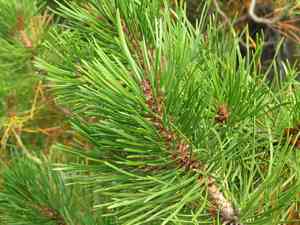
A widely adaptable conifer, lodgepole pine thrives with minimal pruning. Target dead or diseased branches and prioritize thinning to improve air circulation. Prune in winter during dormancy. To encourage denser growth, trim new shoots in early spring. Avoid over-pruning; remove no more than 1/4 of crown at once. Pruning maintains health and reduces disease risk.
What Are the Benefits of Pruning Lodgepole Pine?
What Are the Benefits of Pruning Lodgepole Pine?
Pruning lodgepole pine encourages vigorous growth and facilitates maintaining its desired shape. Strategic cutting back supports a robust structure and deters overgrowth, essential for the speciesâ health and aesthetics.
What Is the Best Time for Pruning Lodgepole Pine?
What Is the Best Time for Pruning Lodgepole Pine?
Pruning lodgepole pine during winter is considered optimal as the plant is in its dormant phase, which minimizes sap loss and reduces the risk of infestation and disease. In the dormant season, the lack of foliage also allows for a better assessment of the tree structure, facilitating the removal of damaged or diseased branches without affecting the plant's growth cycle. Furthermore, pruning before the spring growth spurt ensures that the treeâs energy is directed towards the development of healthy new growth rather than sustaining unnecessary branches.
What Tools Do I Need to Prune Lodgepole Pine?
Hand Pruners
For the selective trimming of small branches and new growth on lodgepole pine, hand pruners offer control and precision. They are ideal for snipping twigs and branches less than 3/4 inches in diameter.
Lopping Shears
Lodgepole pine occasionally has thicker branches that require more force. Lopping shears come with long handles that provide the necessary leverage to cut branches up to 1 1/2 inches in diameter.
Pruning Saw
When dealing with mature lodgepole pine, gardeners may encounter branches over 1 1/2 inches thick. A pruning saw with coarse teeth enables clean cuts without damaging the remaining limb.
Pole Pruner
Given the height of lodgepole pine, a pole pruner is beneficial for reaching higher branches without the need for ladders, reducing the risk of injury.
Chainsaw
If there are large limbs or the tree requires significant shaping or removal, a chainsaw can be used. However, this requires experience and safety precautions to prevent harm to the tree and the person pruning.
How to Prune Lodgepole Pine
Step1: Inspect for Damage and Disease
Examine lodgepole pine for signs of damaged wood, dead branches, and diseased sections. Look for limbs that are broken, branches that have no needle growth, or areas with discoloration or fungus.
Step2: Choose Optimal Pruning Season
Choose the proper time of year to prune lodgepole pine, which is typically late winter or early spring before the growing season starts, to minimize stress and pitch flow from the cuts.
Step3: Sterilize Tools Pre-Pruning
Sterilize pruning tools before use to prevent the spread of disease. Use a solution of one part bleach to nine parts water, or use rubbing alcohol to clean your cutting instruments.
Step4: Prune Damaged Wood
Begin pruning by removing damaged wood. Cut back to a point of healthy tissue, ensuring you make the cut just outside the branch collar without damaging it. The branch collar is the swelling where the branch joins the trunk or another branch.
Step5: Remove Dead Branches
Remove dead branches by cutting at the point just beyond the branch collar. This will promote proper healing. Do not leave a stub, as this can inhibit wound closure and encourage decay.
Step6: Excise Diseased Sections
Prune out diseased sections by making cuts well below the affected areas. To prevent the spread of disease, make sure to cut into healthy wood and dispose of the diseased material properly.
Step7: Make Clean, Angled Cuts
Ensure pruning cuts are clean and at a slight angle, so water does not accumulate on the cut end, which could cause rot.
Step8: Limit Pruning Volume
Minimize the amount of pruning in one season; do not remove more than 25% of the living crown of lodgepole pine in a year to prevent over-stressing the tree.
Step9: Sterilize Tools Post-Pruning
After pruning, clean and sterilize your tools again to prevent cross-contamination between plants.
Step10: Monitor Tree Health Post-Pruning
Monitor the tree after pruning to ensure it heals properly and shows no signs of distress or further disease.
Post-Pruning Care for Lodgepole Pine
Post-Pruning Care for Lodgepole Pine
After pruning, lodgepole pine requires adequate hydration; ensure soil moisture without waterlogging. Manage exposure to partial sunlight, protect from extreme temperatures, and maintain moderate humidity. Apply balanced fertilizer to replenish nutrients and promote recovery. Regularly inspect lodgepole pine for stress indicators, such as discoloration or wilting, and signs of infection like resin flow. If symptoms arise, provide targeted treatment promptly to mitigate stress and prevent disease proliferation.
Common Pruning Mistakes with Lodgepole Pine
Over-pruning Stress
Pruning too much at once, which can stress lodgepole pine and lead to poor health or growth.
Dull/Unclean Tool Usage
Using dull or unclean pruning tools, risking the spread of diseases and creating ragged cuts that are slow to heal in lodgepole pine.
Excessive Lower Branch Removal
Removing too many of the lower branches (lions-tailing), resulting in a top-heavy lodgepole pine with a weakened structure.
Common Pruning Tips for Lodgepole Pine
Focus on Dead/Diseased Branches
Prioritize the removal of dead, diseased, or damaged branches to maintain the health of lodgepole pine.
Proper Cut Placement
When shaping lodgepole pine, make cuts just outside the branch collar for optimal healing and to avoid damage to the main trunk.
Ensure Spacing for Air/Light
Prune to maintain proper spacing between branches, ensuring good air circulation and light penetration throughout lodgepole pine.



