How to Prune Swiss stone pine?
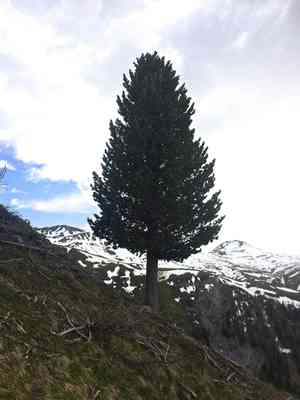
Valued for its compact, pyramidal structure and longevity, swiss stone pine flourish with limited, deliberate trimming. The most effective time for pruning is in winter while the tree is inactive, to preserve its silhouette, eliminate deceased or injured limbs, and encourage robust development. It is crucial to refrain from aggressive pruning; swiss stone pine responds most favorably to gentle thinning. This technique improves air circulation throughout the crown and minimizes the risk of disease transmission. Those performing the pruning should execute precise cuts close to the branch collar for swift recovery and never decapitate the tree, as this can result in rot.
What Are the Benefits of Pruning Swiss Stone Pine?
What Are the Benefits of Pruning Swiss Stone Pine?
Trimming swiss stone pine promotes robust development and assists in maintaining its desired form. Strategic branch removal improves air circulation and light exposure, vital for strong vitality.
What Is the Best Time for Pruning Swiss Stone Pine?
What Is the Best Time for Pruning Swiss Stone Pine?
Trimming swiss stone pine in late winter, just before spring growth begins, is optimal. This timing allows gardeners to distinguish dead or damaged branches from healthy ones, as the tree is still dormant and hasn't produced new growth. Late winter pruning minimizes sap loss, which can be more significant in other seasons. This also prevents cutting off new growth, crucial for swiss stone pine's overall health and vigor. Additionally, since pests and disease organisms are less active in colder weather, pruning cuts are less prone to infection. This timing helps ensure wounds heal quickly with the onset of spring growth, reducing disease risk and plant stress. Pruning at this time also prepares swiss stone pine for strong spring growth, as removing unnecessary branches directs the plant's energy into producing new, healthy shoots.
What Tools Do I Need to Prune Swiss Stone Pine?
Bypass Pruners
Perfect for making precise cuts on smaller branches of swiss stone pine, ensuring minimal harm to the plant tissue.
Loppers
Needed for cutting through thicker branches that bypass pruners cannot manage, offering leverage and reach within the swiss stone pine canopy.
Pruning Saw
Essential for removing large limbs from swiss stone pine, providing accuracy in confined areas where larger saws won't fit.
Pole Pruner
Enables the trimming of swiss stone pine's higher branches from the ground, enhancing safety by eliminating the need for climbing.
Hedge Shears
Useful for shaping the dense foliage of smaller swiss stone pine specimens, delivering uniform cuts across multiple branches.
Pruning Gloves
Protects the gardener's hands from sap and sharp needles while trimming swiss stone pine, ensuring safety and comfort.
How to Prune Swiss Stone Pine
Identify
Examine swiss stone pine thoroughly to determine which branches are dead or diseased. These will often appear discolored, shriveled, or show clear signs of fungal growth.
Disinfect
Before making any cuts, sanitize your pruning tools with alcohol or a bleach solution to prevent the spread of disease to healthy parts of swiss stone pine.
Cut
For dead branches, use sharp, clean shears to make cuts at a slight angle, about a quarter inch above a healthy bud or branch junction, without leaving any stubs.
Remove Diseased
When removing diseased branches from swiss stone pine, cut well into the healthy wood beyond the infected area to ensure complete removal of diseased tissue.
Cleanup
After trimming swiss stone pine, gather all removed branches and debris from around the plant to prevent the risk of infection from lingering diseases or pests.
Common Pruning Mistakes with Swiss Stone Pine
Over-Pruning
Removing too much foliage from swiss stone pine can hinder its growth and weaken the plant, as it relies on its needles for photosynthesis.
Pruning Into Old Wood
Cutting into the older, non-needle-bearing parts of swiss stone pine can lead to areas that won't regrow, leaving bare spots.
Improper Tool Use
Using dull or unclean pruning tools can damage the branches of swiss stone pine, leading to uneven cuts and increasing the risk of disease.
Excessive Shaping
Attempting to shape swiss stone pine excessively can result in an unnatural appearance and harm the plant's natural growth pattern.
Ignoring Natural Form
Failing to consider the natural form of swiss stone pine when pruning may result in less aesthetically pleasing and potentially unhealthy plants.
Removal Of Leader
Cutting off the central leader (main upright stem) of swiss stone pine can prevent it from growing to its full height and disrupt its natural form.
Common Pruning Tips for Swiss Stone Pine
Selective Thinning
Remove specific branches to increase light penetration and air movement throughout the canopy of swiss stone pine, aiding in overall plant health.
Maintain Natural Shape
Prune swiss stone pine by following its natural conical shape, reducing the length of individual branches if needed but not altering the overall silhouette.
Clean Cuts
Make clean cuts at a slight angle, just outside the branch collar, to promote faster healing and reduce the chance of disease for swiss stone pine.
Use Sharp Tools
Ensure pruning tools are sharp and clean to make precise cuts, which helps prevent injuries to swiss stone pine that could lead to decay.
Inspect Regularly
Regularly inspect swiss stone pine for dead, diseased, or damaged branches, and prune these out promptly to maintain plant health.
Correct Timing
Though the best season for pruning is excluded, pruning at the correct time is crucial and should align with the growth cycle of swiss stone pine to avoid stressing the plant.



