How to Prune Caribbean pine?
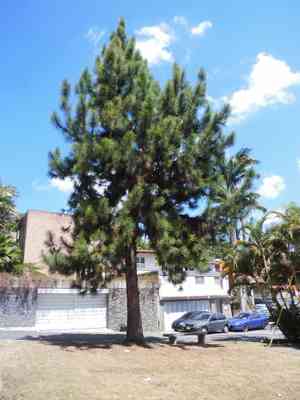
Characterized by its rapid development and pyramidal form, caribbean pine thrives with judicious trimming. The most favorable times for pruning are from late winter to early spring, coinciding with its inactive phase. Begin by eliminating any deceased or ailing limbs to foster its well-being. Reduce density in congested zones to enhance air movement and light exposure. Trimming additionally assists in preserving its contour and stimulates vigorous development. Verify that all incisions are performed just beyond the branch collar to facilitate recovery. Consistent pruning improves caribbean pine's structural soundness and visual attractiveness.
What Are the Benefits of Pruning Caribbean Pine?
What Are the Benefits of Pruning Caribbean Pine?
Trimming caribbean pine promotes vigorous development and maintains its form. It encourages robust growth, boosts resistance to pests and illnesses, and keeps it at a manageable size, which is vital for its overall lifespan and visual appeal.
What Is the Best Time for Pruning Caribbean Pine?
What Is the Best Time for Pruning Caribbean Pine?
Trimming caribbean pine in early spring or late winter is advisable as this period coincides with the plant's inactive phase, reducing stress and disease risk. Pruning before the new growth cycle starts ensures caribbean pine can direct its energy toward healthy new growth and recovery. Additionally, these seasons offer better visibility of the plant's structure, simplifying the identification and removal of dead or problematic branches. This timing also lowers the chance of pest infestations and supports overall plant health.
What Tools Do I Need to Prune Caribbean Pine?
Bypass Pruners
Perfect for cleanly cutting smaller branches and twigs without crushing plant tissue, ideal for routine maintenance.
Lopping Shears
Optimal for cutting medium-sized branches too thick for pruners but not large enough for a saw, providing leverage and precision.
Pruning Saw
Essential for cutting through larger branches, as caribbean pine can develop substantial limbs requiring more robust tools.
Pole Pruner
Useful for reaching higher branches without needing a ladder, ensuring safety and ease for trimming taller sections of caribbean pine.
How to Prune Caribbean Pine
Inspect
Carefully examine caribbean pine to identify any dead or diseased branches. Look for discolored, brittle, or hollow branches, as well as any signs of insect activity or fungal infections.
Tools
Gather appropriate pruning tools such as sharp, clean pruners or saws to prevent infection and ensure clean cuts. Always sanitize tools before use to avoid spreading disease.
Cut Away
Start by cutting away dead branches. Make cuts just above healthy growth or slightly above the branch collar to promote proper healing. For diseased branches, ensure you cut well below visible signs of disease to prevent re-infection.
Disposal
Properly dispose of any removed branches, especially those that are diseased, by burning or discarding them in a green waste bin to prevent the spread of pathogens.
Review
After pruning, re-examine caribbean pine periodically for new signs of disease or dead branches. Regular monitoring helps in maintaining the health of the plant.
Common Pruning Mistakes with Caribbean Pine
Over-pruning
Removing too many branches at once can stress caribbean pine and hinder its growth. Itâs important to prune conservatively to maintain its natural shape and health.
Improper technique
Using dull or inappropriate tools can damage caribbean pine's branches, leading to poor cuts that can become entry points for diseases and pests.
Incorrect cuts
Making flush cuts against the trunk or leaving large stubs can interfere with caribbean pine's natural healing process. Proper pruning should involve making cuts at a 45-degree angle just outside the branch collar.
Timing errors
Caribbean pine should be pruned at specific times to avoid stressing the plant. Pruning at the wrong time can disrupt growth cycles and flowering.
Ignoring young plants
Failing to correctly shape young caribbean pine plants can lead to a poorly structured mature tree that is more susceptible to wind damage and disease.
Common Pruning Tips for Caribbean Pine
Use the right tools
Invest in sharp, high-quality pruning shears, saws, and loppers that are appropriate for the size of caribbean pineâs branches.
Sanitize tools
Clean and disinfect pruning tools before use and between cuts to prevent the spread of disease. A simple solution of bleach and water works effectively.
Prune selectively
Focus on removing dead, damaged, or diseased branches. This helps improve air circulation and directs energy towards healthy growth.
Understand the growth habit
Caribbean pine has a natural shape that should be respected. Prune to maintain its form rather than drastically reshaping it.
Remove competing leaders
In younger plants, remove any competing leaders to ensure there is only one central leader. This helps maintain a strong and balanced structure.
Cut back to lateral branches
When reducing the length of a branch, always cut back to a lateral branch that is at least one-third the diameter of the cut stem. This encourages proper regrowth and maintains the health of caribbean pine.
Monitor regularly
Regularly inspect caribbean pine for signs of disease or damage, so you can take timely action to prune problematic areas without waiting for the annual pruning cycle.



