How to Prune Canary islands pine?
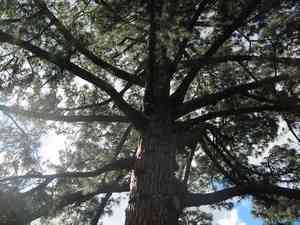
Native to the Canary Islands, the impressive evergreen Pinus canariensis is recognized for its elongated needles and imposing stature. Trimming should concentrate on eliminating deceased or ailing branches, reducing density for improved airflow, and sculpting for visual appeal or security. The optimal time for pruning is during the winter season, when Pinus canariensis is inactive. Exercise restraint in pruning to prevent stimulating excessive new growth, honoring its inherent form. Pruning improves well-being by lowering the likelihood of illness and assists in preserving a robust framework, averting harm from severe weather.
What Are the Benefits of Pruning Canary Islands Pine?
What Are the Benefits of Pruning Canary Islands Pine?
Trimming canary islands pine encourages robust development and assists in maintaining its desired form, ensuring the tree's structural soundness and enhancing its overall visual appeal.
What Is the Best Time for Pruning Canary Islands Pine?
What Is the Best Time for Pruning Canary Islands Pine?
Pruning in late winter is optimal for canary islands pine as it permits the removal of any damaged or diseased branches before the plant enters its active growth phase in spring. This timing minimizes the risk of canary islands pine sustaining wounds that could be entry points for disease during wetter periods. It also aids in shaping the tree before it allocates energy to new growth, ensuring a healthier structure and preventing the need for more extensive pruning later. Additionally, since canary islands pine has finished its dormant period, sap flow is less vigorous, reducing the chances of excessive sap loss that can occur with pruning during active growth.
What Tools Do I Need to Prune Canary Islands Pine?
Bypass Pruners
Perfect for making neat cuts on smaller branches of canary islands pine, bypass pruners offer accuracy without causing undue harm to the surrounding bark.
Long-handled Loppers
For branches that are somewhat thicker and out of reach, long-handled loppers provide leverage and the ability to cut without requiring a ladder, facilitating improved control.
Pole Saw
When addressing the highest branches of canary islands pine, a pole saw enables the gardener to prune from the ground with an extendable arm to reach elevated branches.
Chainsaw
For removing larger limbs or managing mature specimens of canary islands pine, a chainsaw can quickly handle thick branches, but should only be operated by experienced individuals.
Pruning Saw
For intermediate branches too large for loppers, a pruning saw with its curved blade assists in cutting through the wood smoothly.
Hand Saw
In confined spaces where a larger saw cannot fit or for medium-sized branches, a hand saw offers greater control and precision.
Protective Gear
Safety glasses, gloves, and sturdy footwear are crucial for self-protection while pruning canary islands pine.
Wound Dressing
Apply to larger cuts to safeguard canary islands pine from pathogens and pests after pruning, though some experts advise against its use on pine trees.
How to Prune Canary Islands Pine
Safety
Before you begin pruning canary islands pine, ensure you are wearing protective equipment such as gloves and safety glasses. Utilize clean, sharp tools suitable for cutting thick, woody branches.
Identify
Examine canary islands pine closely to pinpoint all dead or diseased branches. These may appear dry, brittle, discolored, or show visible signs of fungal infection or pest infestation.
Clean Cut
Using a pruning saw for thicker branches, or secateurs for smaller ones, make a clean cut to remove dead material. Cut close to the trunk or to the base of the branch, without damaging the collar (the swelling where the branch meets the trunk).
Disinfect
After each cut, especially when removing diseased material, sanitize your tools to prevent spreading pathogens to healthy parts of canary islands pine or to other plants.
Monitor
Regularly observe canary islands pine after pruning to ensure it heals correctly and no further signs of disease emerge. This will help you determine if additional pruning or plant health measures are necessary.
Common Pruning Mistakes with Canary Islands Pine
Overpruning
Removing excessive foliage from canary islands pine can stress the tree, making it more vulnerable to disease and pests. It's crucial not to remove more than 25%-30% of the foliage in a single pruning session.
Improper Cuts
Making cuts too close or too far from the branch collar can impede canary islands pine's natural healing process. Cuts should be made just outside the branch collar without leaving stubs.
Flush Cutting
Cutting flush against the trunk can harm canary islands pine's protective bark and create large wounds, leading to decay and damage to the tree structure.
Neglecting Sanitation
Failing to sanitize tools between cuts and trees can spread disease among canary islands pine and other plants. Always clean pruning equipment with a disinfectant.
Topping
Topping, or cutting off the top of canary islands pine, can stress the tree, stimulating weak new growth that is prone to breaking and often negatively affects the tree's shape and health.
Pruning Healthy Limbs
Unnecessarily cutting healthy limbs can reduce canary islands pine's ability to photosynthesize and store energy, leading to decreased vigor and resilience.
Common Pruning Tips for Canary Islands Pine
Selective Thinning
Target only the limbs that are dead, diseased, or crossing other branches to improve air circulation for canary islands pine without drastically altering its natural shape.
Clean Cuts
Ensure cuts are clean and smooth to promote faster healing. Avoid tearing the bark to protect canary islands pine from infection and decay.
Appropriate Tools
Use the correct tools, such as sharp bypass pruners for small branches and a pruning saw for larger limbs, to make precise cuts on canary islands pine.
Limb Support
For cutting heavier branches, use a three-cut method on canary islands pine to prevent the limb's weight from tearing the bark as it falls. Support the branch while making the final cut.
Prune For Structure
For young canary islands pine, establish a strong structure by pruning competing leaders and promote a single, dominant trunk for better stability and aesthetics.
Post-Pruning Care
After pruning, provide canary islands pine with sufficient water and, if necessary, apply mulch to maintain a healthy root environment. Avoid the application of fertilizer immediately after pruning as it can stimulate rapid growth, which canary islands pine may not be ready to support.



