How to Prune Bunge's pine?
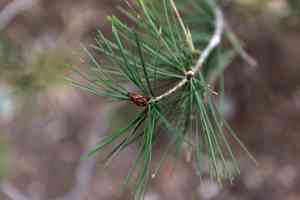
A coniferous tree featuring unique peeling bark and a wide, pyramidal form, bunge's pine is valued for its decorative appeal. Trimming should concentrate on eliminating deceased or ailing limbs and sculpting for visual enhancement. The ideal period for pruning is during the winter season when the tree is inactive. Pruning aids bunge's pine by preserving its well-being, inhibiting the dissemination of ailments, and improving its inherent structure. Particular attention should be paid to the tree's gradual development pace when trimming to prevent the removal of too much foliage.
What Are the Benefits of Pruning Bunge's Pine?
What Are the Benefits of Pruning Bunge's Pine?
Trimming bunge's pine promotes robust development and helps preserve its desired form. Strategic cuts can improve air circulation and sun exposure, crucial for the plant's well-being and visual appeal.
What Is the Best Time for Pruning Bunge's Pine?
What Is the Best Time for Pruning Bunge's Pine?
Pruning bunge's pine in late winter enables gardeners to eliminate any lifeless or damaged branches while the tree remains dormant. This timing helps prevent the tree from being exposed to harsh winter conditions, which could worsen any cut wounds, and avoids sap loss common in Pinus species during warmer months. Furthermore, since bunge's pine is not actively growing, pruning cuts are less likely to stimulate undesirable growth that might occur if pruning is done in spring or summer. Pruning at this time also ensures the tree's energy is directed towards healing and strong growth in the subsequent season, taking full advantage of the growing period. As bunge's pine lacks a prominent flowering or fruiting period requiring preservation, the main concern is maintaining structural integrity and health, which late winter pruning supports.
What Tools Do I Need to Prune Bunge's Pine?
Hand Pruners
Perfect for severing small branches up to 1 inch in diameter, aiding in shaping bunge's pine and removing minor dead or diseased wood.
Loppers
These are suitable for larger branches, between 1 and 2 inches thick, that hand pruners cannot manage. This ensures clean cuts without harming the surrounding branches of bunge's pine.
Pruning Saw
Essential for cutting branches exceeding 2 inches in diameter. Bunge's pine may occasionally have larger, older branches needing removal for health or aesthetic reasons, and a saw will make these cuts manageable.
Pole Pruner
For reaching elevated branches without using a ladder, ensuring safe pruning of bunge's pine without risk of fall-related injuries.
Shears (Garden or Hedge Shears)
Though not typically used for bunge's pine, shears can be employed for shaping young plants or formal hedges created from bunge's pine.
How to Prune Bunge's Pine
Identify
Thoroughly inspect bunge's pine to locate dead or diseased branches. These are usually dry, brittle, and may exhibit signs of fungal growth or discoloration.
Sanitize
Clean pruning tools with a solution of 1 part bleach to 9 parts water to prevent the spread of diseases while trimming bunge's pine.
Cut Dead
Using properly sanitized tools, cut dead branches where they meet healthy wood. Make the cut just outside the branch collar to encourage proper healing.
Cut Diseased
Prune diseased branches by cutting them back to healthy tissue. If the branch is extensively diseased, remove it entirely at its base without cutting into the branch collar.
Disposal
Discard removed branches away from bunge's pine and other healthy plants to prevent disease spread. Do not compost diseased material.
Common Pruning Mistakes with Bunge's Pine
Over-Pruning
Gardeners often remove too much foliage at once, which can stress bunge's pine and hinder its natural shape and beauty.
Improper Cutting Technique
Making jagged or torn cuts can result in open wounds on bunge's pine that are vulnerable to diseases and pests.
Pruning Live Branches Unnecessarily
Cutting live branches without a specific purpose can lead to reduced vigor and compromised aesthetics of the plant.
Ignoring Dead Or Diseased Limbs
Failing to remove dead or diseased limbs can invite decay and pest infestations, affecting bunge's pine's overall health.
Neglecting Tools Sanitization
Using dirty pruning tools can spread diseases from infected plants to healthy areas of bunge's pine or to other plants.
Flat Topping
Shearing the top of bunge's pine can disrupt its natural growth pattern and diminish its ornamental value.
Common Pruning Tips for Bunge's Pine
Selective Pruning
Carefully choose which branches to prune, focusing on removing only those that are dead, diseased, or rubbing together to maintain the plant's form and health.
Sharp Tools
Use clean, sharp tools to make precise cuts that will heal quickly, minimizing damage to bunge's pine.
Prune At The Right Spot
Make cuts at the node where one branch attaches to another, or back to the main trunk, avoiding leaving stubs that could lead to rot.
Thinning Out
Thin out dense areas to allow sufficient light and air circulation, supporting bunge's pine's vitality and reducing the risk of fungal diseases.
Maintenance Pruning
Regularly inspect bunge's pine for damaged limbs and prune as necessary to maintain plant structure and encourage new growth.
Follow Natural Silhouette
Prune with respect to bunge's pine's natural growth habit to enhance its unique shape and character rather than trying to force it into an unnatural form.



