How to Prune Anise burnet saxifrage?
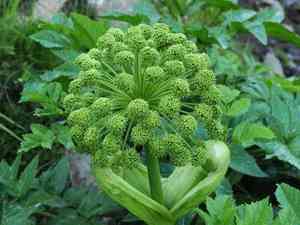
Pimpinella anisum, recognized for its fragrant seeds and delicate leaves, flourishes with consistent trimming to preserve its form and stimulate robust development. Perform a light trim in spring to eliminate deceased or frail stalks, thereby improving air movement and lowering the chance of illness. During summer, you might pinch back the ends to foster a denser appearance. In autumn, a more extensive cut readies Pimpinella anisum for the colder months by taking away aged growth. Strategic pruning guarantees more resilient plants and an abundant yield, especially crucial for gastronomic applications.
What Are the Benefits of Pruning Anise Burnet Saxifrage?
What Are the Benefits of Pruning Anise Burnet Saxifrage?
Trimming anise burnet saxifrage promotes robust development and helps maintain its form. Consistent cutting leads to denser foliage, improving the plant's overall health and visual appeal.
What Is the Best Time for Pruning Anise Burnet Saxifrage?
What Is the Best Time for Pruning Anise Burnet Saxifrage?
Pruning anise burnet saxifrage during Spring, Summer, and Fall aligns with its active growth phases, promoting healthier development and denser foliage. Spring pruning, conducted after the last frost, helps remove any winter-damaged tissues and supports vigorous new growth. During Summer, pruning is ideal for shaping the plant and maintaining an attractive form, while also potentially enhancing leaf production, which is beneficial if leaves are used for culinary purposes. Fall pruning should be lighter, focusing on removing dead or diseased parts before the plant enters dormancy, thus reducing the likelihood of winter damage and disease. These pruning times ensure that anise burnet saxifrage has the best conditions for recovery and flourishing, making use of the full growing season.
What Tools Do I Need to Prune Anise Burnet Saxifrage?
Hand Pruners
These are perfect for trimming and shaping anise burnet saxifrage. Hand pruners allow for precise cuts that help maintain the plant's health and appearance without causing unnecessary harm.
Shears
For larger clusters of anise burnet saxifrage, shears can be used to efficiently cut back excess growth and maintain the plant's desired shape. Shears are especially useful for cutting multiple stems at once, which helps manage the overall size and form of anise burnet saxifrage.
Garden Scissors
These are useful for more detailed work on anise burnet saxifrage, such as thinning or removing diseased leaves to encourage better air circulation and reduce fungal infections.
How to Prune Anise Burnet Saxifrage
Clean tools
Sanitize pruning tools using a bleach or rubbing alcohol solution to prevent disease spread when pruning anise burnet saxifrage.
Inspect plant
Thoroughly examine anise burnet saxifrage to identify any withered or dead leaves that require removal.
Cut withered leaves
Using sharp, clean scissors or pruning shears, cut the withered leaves at their base where they meet the stem, being careful not to harm adjacent healthy tissues.
Dispose leaves
Discard removed leaves in a compost bin or trash to prevent any potential disease from spreading in the garden.
Clean up
Clean the area around anise burnet saxifrage to ensure no debris remains that could harbor pests or diseases, and clean the tools used again after finishing.
Common Pruning Mistakes with Anise Burnet Saxifrage
Over-pruning
A frequent mistake is removing too much of anise burnet saxifrage's foliage at once, which can stress the plant and diminish its vigor. Aim to remove no more than one-third of the total growth in a single pruning session.
Improper cutting technique
Using dull or dirty tools can result in jagged cuts prone to infection. Always use clean, sharp pruning shears to make clean cuts.
Pruning for size reduction
Attempting to significantly reduce the size of anise burnet saxifrage through heavy pruning can lead to poor growth and sparse foliage. It is better to maintain the plant's natural size and shape through regular, light pruning.
Common Pruning Tips for Anise Burnet Saxifrage
Selective thinning
Remove old, unproductive stems from the base to improve air circulation and light penetration, which encourages healthy new growth.
Maintenance of plant form
Follow the natural shape of anise burnet saxifrage when pruning. Cut back to just above new leaf buds and aim to keep the plant well-balanced and open in structure.
Healthy growth promotion
Regularly remove any dead or diseased branches to maintain the health of anise burnet saxifrage. This helps prevent the spread of diseases and encourages more vigorous growth.



