How to Prune Allspice?
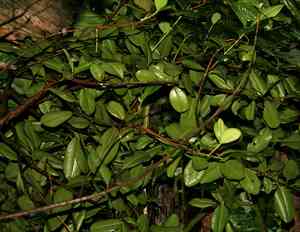
Celebrated for its aromatic foliage and spice-yielding berries, allspice thrives with trimming to preserve its form and stimulate robust development. Undertake allspice pruning in the winter, while the plant is inactive, to eliminate lifeless or ailing limbs, reduce crowded sections, and sculpt the crown. Deliberate snipping fosters light penetration and air movement, boosting berry output. Guarantee precise cuts with sanitized implements to prevent the spread of pathogens. Consistent pruning sustains plant well-being and maximizes spice harvest.
What Are the Benefits of Pruning Allspice?
What Are the Benefits of Pruning Allspice?
Trimming allspice is essential for sustaining its vigorous development and preserving a desired form. Strategic cuts can stimulate new growth, ensuring a robust and aesthetically pleasing shape, vital for optimizing spice production and plant health.
What Is the Best Time for Pruning Allspice?
What Is the Best Time for Pruning Allspice?
Pruning allspice in late winter is advantageous as the plant is in a dormant state, reducing stress and minimizing sap loss. It prepares allspice for vigorous spring growth, while mitigating the risk of frost damage to new cuts. This timing also allows gardeners to easily identify and remove any dead or diseased wood, improving the plant's health and structure without affecting flowering or fruit production cycles.
What Tools Do I Need to Prune Allspice?
Hand Pruners
Suitable for making clean cuts on smaller branches of allspice. These will ensure precise cutting without causing unnecessary damage to the plant tissue.
Loppers
Ideal for cutting thicker branches of allspice that are typically hard to reach with hand pruners. They provide more leverage and make it easier to prune without straining the gardener's hands.
Pruning Saw
Necessary for removing branches over 1.5 inches in diameter. This tool allows the gardener to make clean cuts on larger branches of allspice without tearing the bark.
Shears
Useful for shaping allspice and for trimming smaller twigs and foliage to maintain the desired plant form. They allow for quick, snip-style cuts when shaping the outer canopy.
Pole Pruner
Recommended for reaching higher branches of allspice without using a ladder. It provides the ability to safely prune at a distance with an extendable handle.
Gardening Gloves
While not a tool for cutting, gloves are essential to protect the hands from cuts and scrapes when pruning allspice.
Disinfectant
Important for cleaning tools before and after pruning to prevent disease spread in allspice.
How to Prune Allspice
Sanitize
Before starting, sterilize your pruning tools with isopropyl alcohol or a 10% bleach solution to prevent the spread of diseases to allspice.
Identify
Examine allspice carefully to locate dead or diseased branches, which may appear discolored, withered, or bear signs of fungal infection or pest damage.
Cut dead branches
Using sharp, clean pruning shears, make clean cuts to remove dead branches. Cut at a 45-degree angle about 1/4 inch above a healthy bud or branch junction to promote healing and new growth.
Remove diseased branches
Prune diseased branches by cutting well below the affected area, ensuring you remove the entire diseased portion to prevent further infection of allspice.
Dispose
After pruning, properly dispose of the dead and diseased branches far from allspice and other plants to minimize the risk of disease spread.
Common Pruning Mistakes with Allspice
Overpruning
Removing too much foliage can stress allspice, weakening the plant and potentially leading to reduced growth and fewer blooms. Aim to prune no more than one-third of the plant at a time.
Improper tools
Using dull or dirty tools can cause jagged cuts that are more susceptible to disease. Always use sharp, clean pruning shears to make clean, precise cuts.
Neglecting shape
Allspice benefits from a well-maintained shape not only for aesthetics but also for sunlight penetration and air circulation. Overlooking the plant's form during pruning can lead to a dense canopy that stifles the plant's inside growth.
Random cutting
Indiscriminate cuts without understanding the growth pattern of allspice can lead to uneven growth or damage to the plant's structure. Prune with intention, focusing on strategic removal of branches.
Ignoring health
Failing to remove dead or diseased wood may invite pests and inhibit healthy growth, as allspice needs regular cleaning of its canopy to thrive.
Common Pruning Tips for Allspice
Selective thinning
Focus on thinning out crowded branches to improve air flow and light penetration. This allows allspice to direct its energy to producing robust, healthy branches and leaves.
Regulate shape
Prune allspice to maintain its natural shape rather than forcing it into an unnatural form. This species does well with a minimally interfered shape, encouraging flowering and fruiting.
Clean cuts
Make sure cuts are clean, angled, and made just above a node where new growth will occur. This helps allspice heal faster and reduces the risk of disease.
Sterilization
Sterilize pruning tools before use to avoid spreading diseases between plants. A solution of bleach and water or rubbing alcohol works well for this purpose.
Knowledge of growth
Understand the growth pattern of allspice, which includes where the new growth tends to sprout. Prune with the knowledge of where and how allspice typically grows to encourage a desirable pattern.



