How to Prune Creeping charlie?
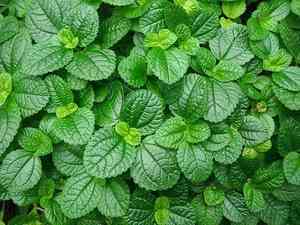
Recognized for its robust development and cascading nature, creeping charlie flourishes with consistent trimming to preserve its form and encourage denser leaves. Snip elongated stalks and discard discolored foliage to enhance air movement and light penetration. Optimal pruning occurs in spring, summer, or autumn, facilitating rapid healing of cuts during periods of active growth. This practice deters excessive growth, stimulates branching, and elevates the plant's visual charm while diminishing susceptibility to pests and illnesses.
What Are the Benefits of Pruning Creeping Charlie?
What Are the Benefits of Pruning Creeping Charlie?
Trimming creeping charlie promotes robust development and helps maintain its desired form, enabling controlled expansion within a given area while fostering a lush, dense leaf arrangement.
What Is the Best Time for Pruning Creeping Charlie?
What Is the Best Time for Pruning Creeping Charlie?
Trimming creeping charlie in Spring coincides with the start of its active growth phase, encouraging a more compact and bushy habit. Early Summer trimming can help manage its vigorous spread, ensuring the plant stays within its intended bounds and looks tidy. Early Fall trimming, before dormancy, helps remove any leggy or overgrown stems, promoting healthier growth and reducing disease risk. However, avoid heavy pruning late in Fall as this can leave creeping charlie susceptible to cold damage. Each season allows for proactive management of the plant's natural growth cycle, boosting vitality, controlling invasive tendencies, and enabling recovery and strong growth.
What Tools Do I Need to Prune Creeping Charlie?
Sharp Scissors or Snips
Given the small and delicate leaves of creeping charlie, fine-tipped scissors or snips are perfect for precise cuts, allowing gardeners to trim unwanted stems without harming surrounding foliage.
Small Pruning Shears
For thicker stems or more substantial growth, small hand pruners can be useful. They provide a clean cut that helps prevent damage to the plant's vascular system, promoting healthy regrowth.
Gloves
Though not a cutting tool, gloves protect the gardener's hands from potential skin irritation and ensure a safe pruning process.
Cleaning Cloth and Alcohol
To prevent disease transmission, an essential step involves wiping the blades with a cloth soaked in rubbing alcohol before and after trimming creeping charlie.
How to Prune Creeping Charlie
Sanitize Tools
Before beginning, ensure all pruning tools are clean and sterilized to prevent spreading disease to creeping charlie.
Identify Parts
Examine creeping charlie carefully and identify diseased leaves, withered leaves, dead branches, and diseased branches that require trimming.
Snip Diseased And Withered Leaves
Using sharp scissors or pruning shears, gently snip off diseased and withered leaves at the base of their stems, making clean cuts without tearing.
Remove Dead And Diseased Branches
Carefully cut back any dead or diseased branches to healthy tissue, ensuring the cuts are angled and made just above leaf nodes to promote new growth.
Healthy Growth
After pruning, dispose of the removed material away from healthy plants to prevent any potential spread of disease and encourage healthy growth in creeping charlie.
Common Pruning Mistakes with Creeping Charlie
Over-Pruning
Removing too much foliage at once can stress creeping charlie, leading to poor growth or disease susceptibility.
Blunt Tools
Using dull or unclean pruning tools can cause jagged cuts that are more prone to infection.
Random Cuts
Pruning without a plan or understanding of the growth pattern can result in uneven or detrimental cuts to creeping charlie's structure.
Neglecting Health Check
Failing to inspect creeping charlie for overall health before pruning can result in the spread of disease or pests.
Immediate Repotting
Repotting creeping charlie directly after pruning can overly stress the plant, as both activities are taxing.
Common Pruning Tips for Creeping Charlie
Selective Pruning
Focus on removing only dead, diseased, or overgrown stems to maintain the health and appearance of creeping charlie.
Sharp Tools
Use sharp, clean scissors or shears to make clean cuts that will heal rapidly and prevent disease transmission.
Growth Direction
Cut back to just above leaf nodes facing the direction you wish to encourage new growth for creeping charlie.
Moderation
Prune gradually over time rather than all at once, especially for dense growth, to avoid shocking creeping charlie.
Sanitation
Sanitize cutting tools before and after use to prevent the spread of pests and diseases to or from creeping charlie.
Post-Prune Care
After pruning creeping charlie, provide adequate water and possibly a light feeding to support recovery and new growth.



