How to Prune Japanese pieris?
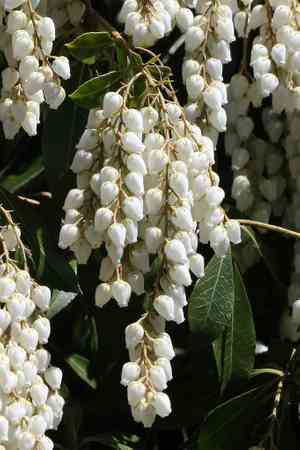
Valued for its campanulate blossoms and vivid leaves, japanese pieris thrives with appropriate trimming. Essential methods involve excising deceased or compromised limbs and reducing crowded sections to enhance airflow. The most effective pruning should take place in late spring or early summer subsequent to blooming, fostering the development of new buds. Trimming japanese pieris not only preserves its form but also stimulates robust development and peak plant well-being.
Advantages of Trimming Japanese Pieris
Advantages of Trimming Japanese Pieris
Trimming japanese pieris promotes abundant flower production and aids in warding off pests and illnesses, enhancing the plant's health and decorative appeal.
Optimal Time for Trimming Japanese Pieris
Optimal Time for Trimming Japanese Pieris
Trimming japanese pieris in late spring or early summer coincides with the end of its blooming period, typically in early spring. This timing allows gardeners to sculpt the plant and remove faded flowers without harming the buds that will blossom the following year, as japanese pieris forms buds for the next season shortly after the current season's flowers fade. Pruning during this window also stimulates new growth, which has ample time to mature and harden before winter arrives. Avoiding pruning in fall or winter prevents damage to new buds and protects the plant from cold damage to fresh cuts. Pruning during the specified seasons ensures japanese pieris's well-being and maximizes its flowering capacity.
Tools Required for Trimming Japanese Pieris
Bypass Hand Pruners
Perfect for making clean cuts on japanese pieris's smaller, younger stems and faded flowers, minimizing harm to the plant tissue.
Lopping Shears
Suitable for cutting through japanese pieris's thicker branches that hand pruners cannot manage, providing the necessary leverage for clean cuts.
Pruning Saw
Recommended for removing any dead or large branches from japanese pieris, especially those over two inches in diameter that loppers cannot handle without damaging the plant or the tool.
Pole Pruner
Useful for reaching higher parts of japanese pieris if it is a particularly tall shrub, enabling safe pruning without needing a ladder.
Gloves
Essential for safeguarding the gardener's hands from sharp edges and potential skin irritants found on japanese pieris's foliage or stems during the trimming process.
Cleaning Materials (e.g. Rubbing Alcohol or Bleach Solution)
Crucial for sanitizing pruning tools before and after use to prevent the spread of disease between plants or even within different parts of japanese pieris.
How to Trim Japanese Pieris
Step1: Evaluate Plant Health and Identify Unwanted Sections
Assess the overall health and form of japanese pieris before starting to trim. Identify any dead wood, damaged stems, and old blooms that need removal.
Step2: Sanitize Pruning Tools to Prevent Disease
Sanitize your pruning shears with rubbing alcohol or a bleach solution to prevent the spread of diseases.
Step3: Remove Dead Wood Above Live Buds
Begin by removing any dead wood. Cut dead branches back to healthy wood, just above a live bud or branch. Make clean cuts at a 45-degree angle to encourage water runoff and reduce the chance of disease.
Step4: Trim Damaged or Diseased Stems to Healthy Tissue
Trim any damaged or diseased stems. Cut them back to a point of healthy tissue that is not affected by the damage. Ensure that the cut is clean and smooth to promote quick healing.
Step5: Deadhead Spent Blooms to Promote New Growth
Remove old blooms soon after they fade. This will encourage japanese pieris to focus its energy on new growth and maintain a neat appearance. Deadhead the faded flowers by making cuts just above the first set of healthy leaves below the spent bloom.
Step6: Selectively Shape Plant For Aesthetic Form
Shape japanese pieris as needed to maintain a pleasing appearance. When shaping, cut back the branches selectively and avoid shearing, as this may inhibit blossoming and ruin the natural form of the plant.
Step7: Thin Out Dense Areas for Better Light and Air Flow
Thin out dense growth to increase light penetration and air circulation within the plant. Remove select stems from crowded areas by cutting them at their base where they emerge from the main stem or soil.
Step8: Final Plant Inspection and Adjustment
Conduct a final inspection of japanese pieris for any remaining irregularities and make minor adjustments if necessary.
Step9: Clean Up and Dispose of Pruning Debris
Clean up all removed plant material from the base of the shrub to prevent disease and encourage good hygiene around japanese pieris.
Step10: Hydrate Plant Post-Pruning to Support Recovery
Water japanese pieris thoroughly after pruning to minimize stress on the plant and to support the healing process.
After-Pruning Care for Japanese Pieris
After-Pruning Care for Japanese Pieris
Following the trimming of japanese pieris, immediately water the plant thoroughly. Ensure it's in a partly shaded location, protected from intense afternoon sun. Maintain moderate humidity and temperatures to prevent stress. Apply a balanced, slow-release fertilizer to aid recovery. Regularly check for wilted or discolored leaves as indicators of distress. If such symptoms occur, adjust watering and inspect for pests or disease. Promptly remove any infected parts and treat japanese pieris as necessary to foster robust regrowth.
Common Trimming Errors with Japanese Pieris
Excessive Trimming on Sensitive Plants
Trimming japanese pieris too severely can cause stress to the plant, potentially leading to reduced flowering or vigor. Japanese pieris benefits from a lighter touch, as it does not respond well to heavy cutting back.
Damage from Dull and Unclean Tools
Using dull or unclean trimming tools can damage the branches of japanese pieris, leaving jagged cuts that are susceptible to pests and diseases. Always use sharp, sterilized tools for clean cuts.
Over-Trimming New Growth Reduces Bloom
Removing too much of the new growth may inadvertently reduce the plant's flowering potential, as japanese pieris blooms on old wood. Trimming should focus on shaping and maintaining the health of the plant without excessively cutting back new shoots.
General Trimming Advice for Japanese Pieris
Selective Trimming for Health and Shape
To encourage healthy growth and maintain the natural shape of japanese pieris, selectively trim out any dead, diseased, or crossing branches. This will also improve air circulation and light penetration within the plant.
Cut to Buds for Directed Growth
When shaping japanese pieris, cut back to just above a set of leaves or a latent bud to direct new growth and maintain an aesthetically pleasing form. Be cautious not to cut into the old wood that does not have visible buds.
Post-flowering Light Trimming for New Growth
After flowering, lightly trim japanese pieris to remove spent blooms. This can stimulate the plant to produce new growth, which will carry next year's flowers. Limit the trimming to shaping the plant and removing the flower heads, rather than cutting back significantly.



