How to Prune Sitka spruce?
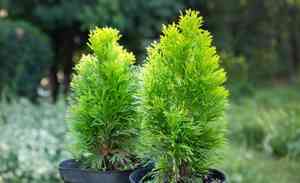
This perennial evergreen is recognized by its impressive stature and slender foliage. For sitka spruce, trimming ought to be kept to a minimum, concentrating on eliminating deceased or injured limbs and preserving its inherent conical form. The ideal period for pruning is in the colder months, when the tree is inactive, to lessen sap leakage and deter insect infestations. Judicious trimming can boost air circulation, avert ailments, and elevate the plant's general well-being. Refrain from extensive cutting, as this can hinder development and diminish hardiness.
What Are the Benefits of Pruning Sitka Spruce?
What Are the Benefits of Pruning Sitka Spruce?
Trimming sitka spruce promotes robust development by eliminating weak limbs, ensuring light penetration. Regular cuts maintain its desired form and prevent excessive growth, crucial for vitality and appearance.
What Is the Best Time for Pruning Sitka Spruce?
What Is the Best Time for Pruning Sitka Spruce?
Winter is considered ideal for pruning sitka spruce due to several factors aligning with the plant's growth cycle and well-being. During winter, sitka spruce enters dormancy, meaning active growth ceases, and the plant conserves energy. Pruning in this season minimizes stress, as the plant is less vulnerable to injury. It also prevents the potential spread of diseases, which are less active in cold conditions. Furthermore, without foliage, the structure of sitka spruce is more visible, allowing for more precise cuts that encourage healthy new growth in spring. Avoiding pruning during the growing season ensures that the plant's resources are not diverted from essential growth processes, and there is no interruption of the conifer's natural cycle, which includes no flowering or fruiting periods to consider.
What Tools Do I Need to Prune Sitka Spruce?
Hand Pruners
For precise cuts on small branches and twigs of sitka spruce, hand pruners or secateurs are the perfect implement. They come in bypass and anvil styles, with bypass pruners being preferred as they create cleaner cuts essential for the plant's health.
Loppers
These are suitable for branches too large for hand pruners but not thick enough to require a saw. Loppers enhance leverage and reach, useful for pruning sitka spruce at various heights and maintaining its shape.
Pruning Saw
To trim larger branches, a pruning saw is necessary. It's designed to cut on the pull stroke, reducing effort and providing a cleaner cut. This is vital for quick healing of sitka spruce and avoiding unnecessary tree damage.
Pole Pruner
For cutting branches high up or not easily accessible from the ground, a pole pruner is ideal. These often include saw and lopper attachments, offering versatility when maintaining sitka spruce.
Hedge Shears
While not typically used for extensive pruning, hedge shears can be useful for shaping sitka spruce when dealing with numerous small branches or creating a hedge.
Gloves and Safety Gear
Wearing gloves can protect the gardener's hands from sap and scratches. Safety goggles and a hard hat may also be needed when cutting overhead branches to prevent injuries from falling debris.
How to Prune Sitka Spruce
Step1: Inspect for Pruning Timeframe
Sitka spruce generally needs minimal pruning. Begin by inspecting the tree in late winter to early spring before new growth starts. This is the optimal time to prune, as the structure is clearer and stress on the tree is reduced.
Step2: Sanitize Pruning Tools
Disinfect your pruning tools with a solution of 1 part bleach to 9 parts water to prevent disease spread. Ensure your tools are sharp for clean cuts.
Step3: Remove Lower Shaded Branches
Start with the lower branches, which are often shaded and prone to decline. Cut these branches where they meet the trunk, but avoid cutting into the trunk itself. Use the 'branch collar method,' leaving the slightly swollen area where the branch joins the trunk intact to aid proper healing.
Step4: Eliminate Dead Wood with Proper Technique
Identify and remove any dead wood, recognizable by its lack of flexibility, peeling bark, and absence of buds. Cut these branches back to living tissue, again using the branch collar method without leaving a stub.
Step5: Excise Diseased Limbs
Remove any diseased limbs immediately upon observation to prevent infection spread. Make cuts several inches into healthy wood beyond the infection site and dispose of diseased material as per local regulations, not in compost.
Step6: Assess Shape and Plan Cuts
After removing lower branches, dead wood, and diseased limbs, step back to evaluate the sitka spruce's shape. If further shaping is needed for health or aesthetics, plan your cuts beforehand, always considering the natural form of sitka spruce.
Step7: Limit Pruning to 25% of Crown
Limit pruning to a maximum of 25% of the total crown in a single year. Excessive pruning can stress sitka spruce and should be avoided.
Step8: Dispose of Pruning Debris
Conclude by clearing all debris and pruned material from around the sitka spruce to maintain good hygiene and reduce the likelihood of disease and pests.
Step9: Monitor Tree Post-Pruning
Observe the tree after pruning for signs of stress or disease and ensure it is adequately watered, especially if significant limb removal occurred or if weather conditions are dry.
Step10: Consult Arborist for Major Pruning
Consider consulting a certified arborist before undertaking major pruning projects, particularly for large or mature sitka spruce. They can advise on how to prune without damaging the tree's structure or health.
Post-Pruning Care for Sitka Spruce
Post-Pruning Care for Sitka Spruce
Immediately after pruning, sitka spruce requires careful watering to prevent stress, ensuring soil remains moist but not waterlogged. Optimal environmental conditions include partial sun exposure and stable, moderate temperatures, as extreme fluctuations can hinder recovery. Appropriate nutrient management involves applying a balanced fertilizer to support new growth, avoiding high-nitrogen formulas that can stimulate excessive foliage at the expense of root development. Monitor sitka spruce for wilted leaves, discoloration, or sap leakage, indicating stress or infection. In such cases, adjust care and consult an expert for potential treatments.
Common Pruning Mistakes with Sitka Spruce
Over-Pruning in One Session
Removing too much from sitka spruce in a single session, which can cause undue stress to the plant and potentially lead to disease or pests.
Using Blunt or Dirty Tools
Employing dull or unclean pruning tools, which can result in jagged cuts harmful to sitka spruce and may facilitate the introduction of diseases.
Lack of Purpose or Plan in Pruning
Pruning without a clear objective or strategy, leading to an unattractive shape or the removal of branches that should have been kept for the health or structure of sitka spruce.
Common Pruning Tips for Sitka Spruce
Use Clean, Sharp Tools for Quick Healing
Always use clean, sharp tools to make precise cuts that sitka spruce can heal from quickly, reducing disease risk.
Prune Dead or Diseased Branches
Remove any dead, diseased, or broken branches on sitka spruce to maintain plant health and encourage new growth.
Selective Thinning Over Topping
When shaping sitka spruce, opt for selective thinning rather than topping or shearing, as this helps maintain its natural form and encourages healthy, dense foliage.
Prune Above Outside Bud for Outward Growth
Cut just above a bud facing the outside of sitka spruce to direct new growth outward and improve air circulation throughout the tree.
Apply Mulch Around Base After Pruning
After pruning, apply a thin layer of mulch around the base of sitka spruce but not touching the trunk to protect the root system and preserve moisture.



