How to Prune Red spruce?
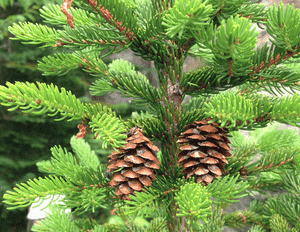
Recognized for its pyramidal form and spiraling limbs, red spruce flourishes with deliberate trimming. Eliminate deceased or compromised branches to preserve well-being, and reduce crowded foliage to enhance airflow. Trimming is advisable in late winter prior to the emergence of new spring shoots. Refrain from making substantial cuts since red spruce possesses restricted capacity for regeneration. Pruning refines the tree's structure and can avert pest problems by swiftly excising affected boughs.
What Are the Benefits of Pruning Red Spruce?
What Are the Benefits of Pruning Red Spruce?
Trimming red spruce promotes vitality by reducing excessive growth, improving air circulation and light exposure. Regular shaping of red spruce maintains its aesthetic appeal and lowers disease risk by eliminating potential pest habitats.
What Is the Best Time for Pruning Red Spruce?
What Is the Best Time for Pruning Red Spruce?
During winter, red spruce is dormant, which minimizes plant stress and infection risk at pruning sites. Winter pruning offers better visibility of the plant's structure due to absent foliage, allowing for more precise cuts. It also encourages robust growth in the subsequent spring, as the plant can direct energy to healing and new development. Avoiding pruning during the active growing season ensures resources aren't diverted from growth or reproduction. Furthermore, pruning before spring helps shape the plant and removes damaged or diseased branches that could be detrimental if left during active development.
What Tools Do I Need to Prune Red Spruce?
Hand Pruners
Perfect for trimming small branches of red spruce, enabling accurate cuts without harming the plant.
Pruning Saws
Ideal for larger branches that hand pruners cannot manage, ensuring a clean cut through thicker material without stressing red spruce's limbs.
Loppers
Useful for reaching higher branches and providing the leverage needed for clean cuts on branches up to 1.5 inches in diameter.
Hedge Shears
Appropriately used for shaping red spruce when creating hedges or for cosmetic trimming of peripheral twigs.
Pole Pruners
Enable pruning of higher branches of red spruce without needing a ladder, enhancing safety and reach.
Pruning Snips
Excellent for detailed work to remove dead or diseased needles or twigs without harming the rest of red spruce.
How to Prune Red Spruce
Step1: Assess Plant Pruning Needs
Evaluate red spruce for pruning requirements, typically done in late winter to early spring, before new growth starts. Focus only on identified parts: dead wood, diseased limbs, and damaged branches.
Step2: Prepare Pruning Tools
Gather the necessary tools for trimming red spruce, including sharp pruning shears, loppers, and a pruning saw. Ensure all tools are clean and disinfected to prevent disease spread.
Step3: Remove Dead Wood
Begin by eliminating any dead wood. Locate dead branches, which will be brittle, lack needles, and break easily. Cut these branches where they meet live wood, but avoid cutting into the live wood itself.
Step4: Cut Away Diseased Limbs
Identify diseased limbs by looking for discolored needles, unusual growth patterns, or the presence of fungus. Make cuts at least several inches into healthy wood beyond the disease to ensure its complete removal.
Step5: Trim Damaged Branches
Address damaged branches by removing any that are broken, bent, or split. Trim these branches back to a point where they transition to healthy, undamaged wood. Ideally, make the cut just beyond a lateral branch or bud facing the outside of red spruce.
Step6: Shape the Plant Judiciously
Assess the shape of red spruce after removing all dead, diseased, and damaged branches. Do not remove more than one-quarter of the living crown of red spruce in a single season, as it can stress the tree.
Step7: Angle Cuts for Healing
Make all cuts at a slight angle to prevent water from accumulating on the surfaces, which can lead to rot and disease. Leave the branch collar intact to promote healing.
Step8: Dispose of Pruning Debris
Discard or destroy all removed material, especially if it is diseased, to prevent any further contamination or infection of red spruce or other nearby plants.
Step9: Seek Professional Advice if Needed
If you are uncertain about how to properly prune red spruce or identify diseases, consult with a professional arborist or horticulturist for assistance.
Step10: Post-Pruning Plant Care
After pruning, care for red spruce by watering adequately, applying mulch, and providing appropriate fertilizer as needed to ensure the health and vigor of the plant.
Post-Pruning Care for Red Spruce
Post-Pruning Care for Red Spruce
Immediately after trimming red spruce, ensure cuts are clean to aid healing. Position red spruce in a spot with sufficient indirect sunlight, maintaining moderate humidity and cool temperatures. Apply a balanced fertilizer to support recovery, avoiding over-fertilization. Regularly check for signs of stressâyellowing needles, dieback, or resin oozing. If symptoms appear, adjust environmental conditions and seek guidance for potential disease management.
Common Pruning Mistakes with Red Spruce
Excessive Pruning Causes Stress and Vulnerability
Over-trimming red spruce, which can lead to stressful conditions for the plant, making it more susceptible to diseases and pests.
Unnatural Pruning Harms Tree Health
Ignoring the natural shape of red spruce and trying to prune into an unnatural form which can compromise the treeâs health and growth.
Dull or Dirty Tools Lead to Damaged Plants
Using dull or dirty pruning tools which can cause ragged cuts and introduce pathogens to red spruce.
Incorrect Pruning Damages Branch Collar
Trimming too close to the trunk or parent branch, which can damage the branch collar and delay wound healing.
Common Pruning Tips for Red Spruce
Use Sharp, Clean Tools for Healthy Cuts
Always use sharp and clean pruning tools to make precise cuts and prevent the spread of disease to red spruce.
Prune Conservatively, Respect Natural Shape
Focus on removing dead, diseased, or broken branches to maintain the health and appearance of red spruce without excessively altering its natural form.
Three-Cut Method for Safe Large Branch Removal
When trimming larger branches, use the three-cut method to prevent bark tearing: make a notch on the underside of the branch a short distance from the trunk, then make a second cut from the top, further out than the notch, allowing the branch to fall cleanly. The final cut should remove the stub without damaging the collar.
Thin Crown for Light and Air Flow
Thin the crown of red spruce to allow for adequate light penetration and air circulation, which can help to reduce disease pressure and promote more vigorous growth.



