How to Prune Blue spruce?
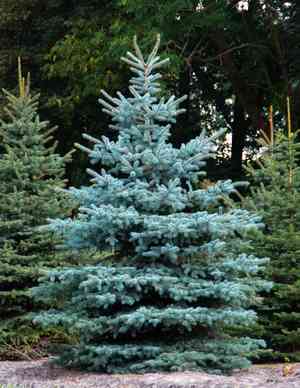
A magnificent evergreen, Picea pungens is celebrated for its silver-blue foliage and pyramidal structure. Effective trimming entails excising compromised or ailing limbs and contouring the lower sections to preserve a symmetrical appearance. This task is ideally carried out in winter while the tree is inactive, reducing sap leakage and averting illness. Pruning ought to be restrained, given blue spruce's gradual development, as excessive removal can lead to sparse needle regeneration. Deliberate thinning improves air movement and light access, fostering the tree's general well-being.
Advantages of Trimming Blue Spruce
Advantages of Trimming Blue Spruce
Trimming blue spruce promotes robust development and preserves its characteristic conical shape. Regular cutting can avert illness by enhancing air circulation within its branches.
Optimal Period for Pruning Blue Spruce
Optimal Period for Pruning Blue Spruce
Winter is considered the best time for pruning blue spruce because during its dormant phase, sap flow is minimal. This lowers the chance of sap loss, which can draw insects and potentially lead to disease. Furthermore, without the treeâs foliage, the structure of blue spruce is more apparent, simplifying the identification and removal of any dead or damaged branches. Additionally, pruning during this period minimizes stress to blue spruce, as it allows the plant time to recover before the spring growth cycle begins. It is crucial to avoid cutting during the blooming or fruiting seasons as this can diminish the ornamental value and health of blue spruce.
Necessary Tools for Pruning Blue Spruce
Bypass Pruners
Perfect for cutting small branches on blue spruce, bypass pruners make precise cuts without crushing stems, preserving the plant's vitality.
Loppers
With their extended handles, loppers offer leverage for cutting through blue spruce's thicker branches, typically up to 1.5 inches in diameter, with greater accuracy and less effort.
Pruning Saws
For branches exceeding 1.5 inches, pruning saws assist gardeners in efficiently managing blue spruce's growth without harming adjacent limbs or bark.
Pole Pruners
Extendable pole pruners or pole saws enable gardeners to reach higher branches of blue spruce without a ladder, providing both safety and convenience.
Shears
Hedge shears are suitable for shaping blue spruce and trimming new growth or smaller twigs when a more manicured look is desired.
Protective Gloves
Given blue spruce's sharp needles, wearing thick protective gloves is essential to prevent injuries during pruning.
Disinfectant
Applying a disinfectant to tools before and after pruning blue spruce helps prevent the spread of diseases and pests between plants.
How to Prune Blue Spruce
Step1: Pruning Schedule
Determine the ideal time for pruning blue spruce, which is typically in late winter or early spring before new growth starts. This timing helps reduce sap loss and prevents disease spread.
Step2: Tool Preparation
Prepare the necessary tools such as a sharp pruning saw for thick branches, loppers for medium-sized limbs, and hand pruners for finer cuts. Ensure all tools are clean and sterilized to prevent disease transmission.
Step3: Dead Wood Removal
Begin by removing any dead wood, identifiable by its dry, brittle texture and lack of green living tissue when lightly scraped. Cut the dead branches back to where they meet healthy, living tissue using an appropriate tool based on branch size.
Step4: Diseased Branch Trimming
Carefully inspect blue spruce for any diseased branches, which may show signs of discoloration, unusual growths, or damage. Prune these branches well below the affected area, several inches into healthy wood, to prevent disease spread.
Step5: Broken Limb Cleanup
Address any broken limbs next. Make clean cuts to remove jagged edges left by storm damage or other mechanical injury. Cut just above the branch collar without leaving a stub, as this area contains cells that will help the tree heal.
Step6: Shaping and Thinning
After removing dead, diseased, and broken limbs, assess the overall shape of blue spruce. Avoid over-pruning or shaping as blue spruce naturally has a pleasing conical shape that requires minimal pruning to maintain.
Step7: Avoiding Sealants
Sealants are generally not recommended for blue spruce because they can interfere with the natural healing process. Allow the tree to heal over the pruning cuts on its own.
Step8: Waste Disposal
Properly dispose of all removed material. Do not compost diseased wood as it can harbor pathogens and infect other parts of your garden.
Step9: Post-Pruning Monitoring
Monitor blue spruce after pruning for signs of stress, disease, or pests, and provide appropriate care, such as watering during dry spells or providing a balanced fertilizer if needed.
Aftercare for Blue Spruce Pruning
Aftercare for Blue Spruce Pruning
Immediately after pruning blue spruce, thoroughly water the plant to reduce stress. Ensure blue spruce is in an area with sufficient, but not excessive, sun exposure, and maintain moderate humidity and cool temperatures to aid recovery. Apply a balanced, slow-release fertilizer to encourage growth. Regularly check blue spruce for signs of stress, such as discoloration or wilting, and signs of infection like unusual spots on needles. If such symptoms are observed, adjust care accordingly and consider consulting a plant health expert.
Common Pruning Errors with Blue Spruce
Avoid Cutting Old Wood Prevents New Growth
Cutting into older wood from which new growth cannot easily emerge, potentially leaving blue spruce with unattractive patches or hindering new growth.
Excessive Foliage Removal Stresses Plant
Removing too much foliage at once can stress blue spruce, making it more susceptible to diseases and pests, or affecting its natural pyramidal shape.
Sterilize Tools to Prevent Disease Spread
Pruning without sterilizing tools between cuts or different plants, risking the spread of diseases to blue spruce.
Avoid Tearing, Make Smooth Cuts on Plant
Tearing or making rough cuts that can damage the bark and wood of blue spruce, creating potential entry points for pests or disease organisms.
Consider Plant Health Over Aesthetics in Pruning
Pruning solely for aesthetic reasons without considering the health or natural form of blue spruce, which can compromise its vigor and structural integrity.
General Pruning Advice for Blue Spruce
Use Sharp, Clean Tools for Healthy Cuts
Utilize sharp, clean pruning tools to make precise cuts on blue spruce, which promotes faster healing and reduces disease risk.
Remove Damaged Branches to Maintain Health
Focus on removing dead, broken, or diseased branches to maintain the health and appearance of blue spruce, cutting back to a healthy branch or bud.
Prune with Natural Form Maintenance in Mind
Prune blue spruce with the goal of preserving its natural form, only lightly shaping where necessary to encourage desired growth without altering its inherent shape.
Angle Cuts for Proper Healing and Drainage
Make pruning cuts at a slight angle away from the bud to prevent water accumulation and encourage proper healing on blue spruce.
Thin Moderately to Improve Circulation and Light
When thinning blue spruce, remove only a modest amount of inner branches to improve air circulation and light penetration without compromising the plant's structure.



