How to Prune Black spruce?
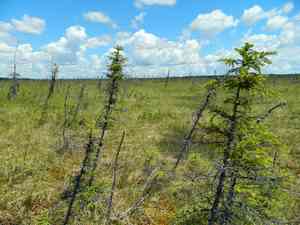
Picea mariana, recognized by its acicular foliage and pyramidal structure, needs very little trimming. Concentrate on excising lifeless, ailing, or compromised limbs to preserve its well-being. Perform pruning during its dormant winter phase to prevent sap exudation. Reducing density in congested zones enhances air circulation, averting fungal problems. Proceed carefully to uphold its inherent silhouette, refraining from severe reduction into mature wood that might not regrow.
Advantages of Trimming Black Spruce
Advantages of Trimming Black Spruce
Trimming black spruce promotes robust development while preserving its desired form. Thoughtful removal of specific branches improves light penetration and air circulation, fostering a strong structure and preventing potential ailments.
Optimal Time for Trimming Black Spruce
Optimal Time for Trimming Black Spruce
Trimming black spruce in late winter to early spring is beneficial because the plant is still dormant, which lowers the chance of sap loss and minimizes stress. This timing also allows for the removal of any winter damage before the new growth cycle begins. It avoids cutting in the fall, which can stimulate new growth that might not harden off in time for winter. Furthermore, pruning before new buds have fully formed ensures the plant's energy is directed towards healthy branches, encouraging a vigorous growth cycle in the upcoming spring and summer months.
Tools Required for Trimming Black Spruce
Hand Pruners
Perfect for cutting smaller branches and refining the shape of black spruce, hand pruners provide a clean cut without harming nearby foliage.
Lopping Shears
Given black spruce's thicker branches, lopping shears are suitable for branches too large for hand pruners but not quite big enough for saws. Their long handles offer leverage, simplifying cuts through dense wood.
Pruning Saw
For removing larger branches, a pruning saw is essential. It enables precise cuts on black spruce without causing undue strain to the plant.
Pole Pruner
Due to black spruce's potential height, a pole pruner might be needed to safely reach upper branches without a ladder. This tool helps maintain black spruce's health by allowing deadwood removal and shaping from the ground.
Hedge Shears
If black spruce is grown as a hedge or in a garden where a formal shape is desired, hedge shears can be used to trim and shape the outer foliage. However, they should be used sparingly to avoid excessive foliage removal.
How to Trim Black Spruce
Sanitize tools
Before starting, disinfect pruning tools to prevent disease transmission to black spruce.
Identify
Inspect black spruce to locate all dead branches and any signs of illness. Mark affected branches with a ribbon for easier identification during the trimming process.
Remove dead branches
Using sharp, clean pruning shears or a saw, carefully remove dead branches by cutting them back to a healthy lateral branch or the main trunk. Avoid leaving stubs, as they can attract pests or diseases.
Trim diseased branches
Prune diseased branches by cutting at least several inches below the affected wood. If the entire branch is diseased, remove it completely using the same method as for dead branches.
Disinfect
After each cut on a diseased branch, sanitize the pruning tools to prevent contamination to other parts of black spruce or nearby plants.
Common Trimming Errors with Black Spruce
Excessive pruning
Removing too much from black spruce can stress the tree, impede its growth, and reduce its vigor. Taking off more than 25% of the foliage at once may create issues.
Incorrect cuts
Making cuts too close to the trunk or leaving a significant stub can hinder the healing process, inviting pests and diseases.
Topping
Cutting off the top of black spruce disrupts its natural growth pattern, leading to weak new growth susceptible to damage.
Pruning for symmetry
Attempting to create artificial symmetry can result in over-pruning and harm the natural form of black spruce.
Neglecting tool hygiene
Using unsanitized pruning tools can spread diseases from one plant to another. Proper cleanliness is vital.
General Trimming Advice for Black Spruce
Sharp and Clean Tools
Utilize sharp, sterilized pruning shears to make clean cuts that heal quickly and minimize disease risk.
Natural Shape
Trim black spruce to maintain its inherent pyramid shape, resisting the urge to excessively shape or top the tree.
Selective Thinning
Remove only dead, diseased, or broken branches to enhance air circulation and light penetration, fostering a healthy tree structure.
Judicious Pruning
Prune sparingly, as black spruce has a slow growth rate. Excessive cutting can cause irreversible damage.
Interior Branches
Thin out some of the interior branches if they are dead or overcrowded, but ensure the overall structure remains intact.



