How to Prune White spruce?
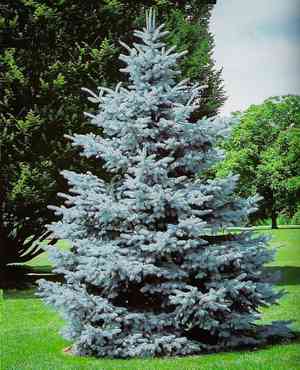
The white spruce, a conifer indigenous to northern territories, is distinguished by its pyramidal form and thick canopy. Essential trimming practices include excising deceased, ailing, or compromised limbs, and reducing density to enhance airflow. The most suitable period for pruning is throughout winter's inactive phase, which lessens sap leakage and strain. Trimming white spruce fosters robust development, improved architecture, and can hinder the dissemination of pathogens. Particular attention should be paid to precise cuts to avert harm to the central leader and to sterilizing implements to preclude contamination.
Advantages of Trimming White Spruce
Advantages of Trimming White Spruce
Trimming white spruce encourages robust development and maintains its desired form. It is vital for eliminating dead or diseased limbs, fostering new, healthy growth, and preserving the plant's visual appeal.
Optimal Period for Pruning White Spruce
Optimal Period for Pruning White Spruce
Pruning white spruce during its inactive period minimizes plant stress as it's not actively growing. This timing prevents sap loss, which can weaken the plant if cuts are made during active growth. Winter pruning also lowers the risk of disease transmission or insect attraction, as they are less active in cold weather. Furthermore, it allows gardeners to easily view white spruce's structure without leaves, enabling more strategic cuts. Finally, pruning before the spring growth surge helps white spruce heal faster and direct energy into producing new, healthy growth in the desired shape.
Required Tools for Pruning White Spruce
Hand Pruners
For cutting branches up to 3/4 inch in diameter, hand pruners are perfect. They enable precise cuts on white spruce without causing unnecessary harm to its smaller branches.
Lopping Shears
These are used for cutting through branches thicker than hand pruners can manage, typically up to 1.5 inches in diameter, making them suitable for controlling white spruce's growth.
Pruning Saw
For white spruce's branches exceeding 1.5 inches in diameter, a pruning saw is essential for clean cuts without splintering the wood. This ensures the plant's health while removing substantial branches.
Pole Pruner
White spruce can grow tall, and a pole pruner is useful for reaching higher branches without needing a ladder. This tool helps maintain the shape and health of the upper sections of white spruce.
Hedge Shears
While not for cutting thick branches, hedge shears are good for shaping white spruce when finer, manicured forms are desired, ensuring uniform growth and symmetry.
Pruning Gloves
Protective gloves should be worn to shield hands from scratches and resin, which is especially relevant when working with white spruce due to its evergreen nature.
How to Prune White Spruce
Step1: Optimal Pruning Season Identification
Determine the best time for pruning white spruce, which is late winter or early spring before new growth begins. This timing helps avoid cutting into the new developing buds that will form the coming season's growth.
Step2: Tool Sanitization
Sanitize your pruning tools before you start. This will help prevent the spread of diseases between plants. Use a solution of 1 part bleach to 9 parts water to disinfect your tools, and make sure to rinse and dry them after cleaning.
Step3: Personal Protection Equipment
Put on protective gloves and safety glasses to protect your hands and eyes before starting the pruning process. White spruce needles can be sharp, and branch snaps can send debris flying.
Step4: Dead Branch Removal
Begin pruning by removing dead branches first. Look for branches that have no green needles or are brown in color. Make your cuts at the base of these branches where they meet healthy wood, just above the branch collar. The branch collar is the swollen area at the base of the branch which should not be damaged because it contains the tree's natural healing tissue.
Step5: Diseased Limb Removal
Next, remove any diseased limbs. Look for branches with discoloration, unusual growth patterns, or signs of insect infestation. Cut diseased limbs well below the affected area to ensure you remove all the diseased tissue. Dispose of these limbs according to local guidelines to prevent spreading the disease.
Step6: Pruning Weak Shoots
After dealing with the dead and diseased branches, move on to pruning weak shoots. These are typically thin, spindly branches that do not contribute to the overall strength and shape of white spruce. Trim these back to a main branch or a strong lateral shoot, making a clean angle cut just above a bud facing the desired direction for new growth.
Step7: Maintaining Natural Shape
Throughout the pruning process, maintain the natural conical shape of white spruce. Avoid cutting into the main trunk or thicker parts of the main branches as these parts do not heal well or regenerate in this species.
Step8: Post-Pruning Cleanup
After completing the pruning, clean up all debris, such as the removed branches and needles, from around white spruce. This is not only aesthetically pleasing but also helps in preventing the spread of pests and diseases.
Step9: Post-Pruning Plant Monitoring
Monitor white spruce after pruning, especially during the growing season, to ensure a healthy recovery from the pruning process and to check for any signs of disease or pest infestation on the newly exposed areas.
Post-Pruning Care for White Spruce
Post-Pruning Care for White Spruce
Immediately after pruning white spruce, ensure clean cuts to avoid unnecessary stress. Maintain moist soil without overwatering, and provide partial shade to mitigate intense sunlight exposure. Adjust humidity and temperature to match white spruce's native conditions. Post-pruning, apply a balanced, slow-release fertilizer to support white spruceâs recovery and growth. Regularly inspect for distress symptoms like discoloration or wilting. If signs of infection appear, such as oozing or unusual growths, promptly apply an appropriate fungicide or insecticide.
Common Pruning Mistakes with White Spruce
Excessive Foliage Removal
A common error is removing too much foliage from white spruce, which can stress the tree and lead to poor growth or increased susceptibility to diseases and pests.
Improper Cut Placement
Another mistake is making cuts too close to the trunk or remaining branch, which can damage the 'collar'âthe area where the branch meets the trunk. This can cause wounds that are slow to heal and may invite infection.
Using Dull or Dirty Tools
Not using clean, sharp tools for pruning white spruce is a mistake that can lead to jagged cuts that are hard for the tree to heal and may also spread diseases from other plants.
Pruning Without a Plan
Pruning without a clear purpose or plan often leads to over-pruning or shaping white spruce into unnatural forms that can compromise its structural integrity and aesthetic appeal.
Common Pruning Tips for White Spruce
Use Clean, Sharp Tools
When pruning white spruce, always use clean and sharp tools. Disinfect your pruning tools with a solution of 1 part bleach to 9 parts water to prevent the spread of diseases.
Proper Cut Angle and Position
Make pruning cuts at a slight angle, about 1/4 inch above a bud that faces the direction you want the new branch to grow. This encourages healthy growth patterns.
Remove Dead or Diseased Branches
Remove any dead, damaged, or diseased branches first. This will improve air circulation and reduce the risk of disease.
Thin Out for Light and Air Penetration
After addressing problematic branches, prune for shape and density by thinning out crowded areas. This involves selectively removing some branches back to their point of origin to allow light and air to penetrate the canopy.
Avoid Tree Topping
Avoid 'topping', which is cutting off the top of white spruce to reduce height. Topping can lead to weak, spindly growth and is generally harmful to the tree's health and structure.
Adhere to the One-Third Rule
Follow the 'one-third rule': never remove more than one-third of the living crown of white spruce in a pruning season. This allows the tree to maintain enough leaf area to sustain its growth and health.



