How to Prune Obedient plant?
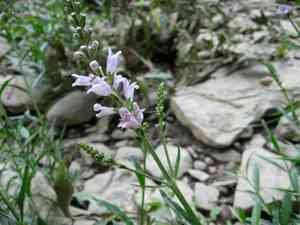
Distinguished by its upright spires of tubular blossoms, obedient plant thrives with consistent trimming. After the initial flowering, snip back the stalks to stimulate a subsequent bloom. During the early spring, trim to sculpt the plant and eliminate any lifeless or compromised sections. Pruning up until late autumn can foster more abundant foliage. Always employ sanitized, keen cutting tools to prevent the spread of pathogens, and prune judiciously to preserve the plant's well-being. This enhances floral production and manages the obedient plant's robust expansion.
Advantages of Trimming Obedient Plant
Advantages of Trimming Obedient Plant
Trimming obedient plant promotes abundant flowering by reallocating energy towards blossom development. It also sustains a robust growth pattern, ensuring sturdy, healthy stems. By managing obedient plant's dimensions, this process keeps the plant compact and shapely, enhancing its visual appeal.
Optimal Period for Pruning Obedient Plant?
Optimal Period for Pruning Obedient Plant?
Pruning obedient plant in early spring fosters vigorous development and aids in maintaining its desired form before its annual growth surge. During this phase, the plant remains dormant, minimizing stress and the likelihood of disease spread via pruning wounds. Trimming in late autumn, post-flowering, enables gardeners to remove faded blooms and any elongated stems, which can encourage superior flowering the subsequent season. This timing also helps prevent unwanted self-seeding. Furthermore, late fall pruning ensures the plant has adequate time to recover before winter, lessening the chance of frost damage to fresh cuts.
Required Tools for Pruning Obedient Plant?
Hand Pruners
Essential for making clean cuts on stems up to 1/2 inch in diameter, suitable for deadheading and trimming obedient plant.
Bypass Pruners
Perfect for executing precise cuts on living growth without crushing plant tissues, thereby fostering healthy regrowth in obedient plant.
Pruning Shears
Useful for shaping the plant and managing its size. Obedient plant's stalks are slender enough for shears to handle effectively.
Gardening Gloves
Protects hands from scratches and ensures a secure grip while pruning obedient plant.
Pruning Saw
Only necessary for older obedient plant clumps that have developed woody bases, allowing gardeners to remove larger stems or divide the plant.
Loppers
Offers additional leverage for cutting through thicker stems that might be too large for hand pruners, though generally not required for obedient plant.
How to Prune Obedient Plant
Step1: Prepare Pruning Tools and Gloves
Ready the necessary pruning implements such as sharp, clean pruning shears or scissors. Wearing gloves is advisable to safeguard your hands.
Step2: Inspect Plant for Pruning Needs
Examine obedient plant to pinpoint dead stems, old flowers, and weak shoots that require trimming. Look for stems that are brown, hollow, or show no signs of green growth.
Step3: Cut Dead Stems and Encourage Growth
When removing dead stems, cut them back to the base of obedient plant just above the soil level or back to a healthy set of leaves to stimulate new growth. Make cuts at a slight angle to facilitate water runoff from the cut surface.
Step4: Deadhead Spent Flowers for Reblooming
Deadhead obedient plant by cutting the faded flower stems. This promotes additional blooming. Snip the flower stalks below the base of the old flower and above the first set of healthy leaves using your pruning shears.
Step5: Trim Weak Shoots for Healthy Growth
Prune weak shoots to encourage vigorous growth and maintain a strong structure for obedient plant. Cut these shoots back to a set of leaves closer to the main stem to redirect energy to the healthier parts of the plant.
Step6: Shape Plant and Control Overgrowth
Shape obedient plant by selectively trimming back overgrown areas. Aim to create a balanced, natural-looking form, while being careful not to remove more than one-third of the live growth in any single pruning session.
Step7: Clean Up and Dispose of Pruning Debris
After pruning, clear away the trimmed materials from the base of obedient plant to prevent any disease or pest issues. Dispose of or compost the removed plant material appropriately.
Step8: Water Plant After Pruning
Water obedient plant adequately after pruning to aid its recovery and establishment following the pruning process. Continue with regular care according to the growing conditions and requirements of obedient plant.
Post-Pruning Care for Obedient Plant
Post-Pruning Care for Obedient Plant
Immediately after pruning obedient plant, ensure ample water to help alleviate stress. Maintain moderate light exposure, avoiding direct, intense sun. Keep obedient plant in a consistently humid environment, with temperatures around 68-72°F to promote recovery. Apply a balanced, slow-release fertilizer to support new growth but avoid over-fertilization, which can lead to additional stress. Regularly inspect obedient plant for wilting or discolored foliage indicative of stress or infection and address by adjusting care or seeking expert advice.
Common Pruning Mistakes with Obedient Plant
Excessive Pruning Causes Shock
Pruning obedient plant too severely can lead to shock, which may weaken or kill the plant. Gardeners should avoid removing more than one-third of the plant's overall mass at a time.
Dull and Unclean Tools Damage Plants
Using dull or unclean pruning tools is another error, as this can harm obedient plant's stems and potentially introduce disease to the cuts.
Neglecting Deadheading Reduces Blooms
Failing to remove spent flowers (deadheading) on obedient plant can result in fewer blooms in the future because it allows the plant to prioritize seed production over generating new flowers.
Common Pruning Tips for Obedient Plant
Use Sharp, Clean Tools for Healthy Cuts
Ensure all pruning tools are sharp and clean before beginning to prune obedient plant to make precise cuts and reduce the risk of disease transmission.
Thin Crowded Stems for Better Health
Thin out crowded stems to improve air circulation and light penetration, which is vital for obedient plant's overall health and vigor.
Deadhead Regularly for More Flowers
Regularly deadhead spent blooms to encourage obedient plant to produce more flowers and maintain a tidy appearance.



