How to Prune Common ninebark?
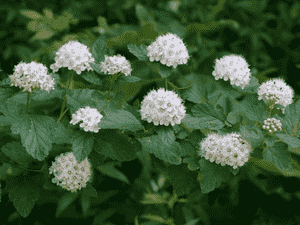
Recognized for its exfoliating bark and gracefully curved limbs, Physocarpus opulifolius flourishes with consistent trimming. Essential methods involve reducing older branches and shortening excessively long stems to robust new growth following the blooming period. The most effective time for pruning is from late spring to early summer, fostering vigorous development and preserving its form. Particular advantages of pruning Physocarpus opulifolius encompass enhancing air movement and decreasing the occurrence of ailments, guaranteeing a sturdy and attractive specimen.
What Are the Benefits of Pruning Common Ninebark?
What Are the Benefits of Pruning Common Ninebark?
Trimming common ninebark promotes abundant blooming and strengthens its resistance to pests and diseases, leading to a more robust and resilient plant.
What Is the Best Time for Pruning Common Ninebark?
What Is the Best Time for Pruning Common Ninebark?
Pruning common ninebark in late spring and early summer aligns with its natural growth cycle, after its flowering period, and in preparation for the upcoming growing season. Pruning in late spring allows for shaping the plant and removing any damaged or diseased wood before significant new growth emerges. This timing also permits the removal of spent flower clusters, enhancing the plant's appearance and redirecting energy towards healthier development. Pruning immediately after blooming in early summer ensures that next year's buds are not removed, as common ninebark flowers on the previous year's growth. This timing also aids in better wound healing, with warmer temperatures and increased plant vigor assisting the recovery process. By following these guidelines, gardeners can foster a strong structure, maintain plant health, and ensure plentiful flowering in the subsequent year.
What Tools Do I Need to Prune Common Ninebark?
Hand Pruners
Perfect for cutting common ninebark's slender stems and branches up to 1/2 inch in diameter. Bypass pruners create clean cuts that facilitate rapid healing.
Lopping Shears
Common ninebark may possess thicker branches, up to 1 1/2 inches in diameter, necessitating the leverage provided by lopping shears.
Pruning Saw
For mature common ninebark specimens with branches exceeding 1 1/2 inches in thickness, a pruning saw with fine teeth is suitable for making precise cuts without harming the bark.
Hedge Shears
When shaping common ninebark's dense foliage into hedges or for formal appearances, hedge shears are useful for making straight, even cuts across multiple stems.
Pole Pruner
For tall common ninebark shrubs where branches are out of reach, a pole pruner can safely trim without the need for a ladder.
Gloves
Helpful for protecting hands from scratches and sap while pruning common ninebark.
Cleaning Solution
Crucial for sterilizing tools between cuts to prevent disease transmission among common ninebark plants.
How to Prune Common Ninebark
Step1: Timing Pruning for Plant Health
Determine the optimal time to prune common ninebark, which is late winter or early spring, prior to the emergence of new growth. This timing helps minimize stress on the plant and simplifies the task, as the plant's structure is more visible without leaves.
Step2: Preparing Pruning Tools
Gather the necessary tools for pruning common ninebark, including clean, sharp bypass pruners for smaller branches and potentially loppers or a pruning saw for thicker branches. Sterilize your tools with alcohol or a 10% bleach solution to prevent disease spread.
Step3: Removing Dead or Damaged Stems
Begin by removing any dead, diseased, or damaged stems to help maintain the health of common ninebark. Cut these stems back to a healthy section of wood, ideally just above an outward-facing bud. The cut should be made at a 45-degree angle to prevent water accumulation, which could lead to decay.
Step4: Trimming Spent Blooms
Prune old blooms from common ninebark by locating the spent flower clusters and cutting them back to a healthy set of leaves. This will encourage better flowering in the next season and also enhance the plant's overall appearance.
Step5: Extracting Broken Twigs
Locate and remove any broken twigs from common ninebark. These can serve as entry points for pests and diseases. Make a clean cut just above a bud or branch that is pointed in the desired direction of growth.
Step6: Thinning for Better Airflow
Thin out crowded areas of common ninebark by removing some of the thin branches. This improves air circulation and light penetration, both vital for the plant's health. When thinning, cut back to a main branch or the base of the plant to encourage healthy new growth.
Step7: Shaping Plant Naturally
Shape common ninebark as desired, keeping in mind the plant's natural form. Avoid excessive pruning, which can stress the plant and lead to poor growth or a misshapen appearance. Aim to retain a natural, arching shape by selectively cutting branches to varying lengths.
Step8: Post-Pruning Cleanup
After pruning common ninebark, clear all debris from the area to reduce the risk of disease. Also, sanitize your tools again to avoid transferring pathogens to other plants.
Step9: Monitoring Post-Pruning Recovery
Monitor common ninebark after pruning for any signs of stress or disease, and provide adequate water and nutrients to encourage healthy regrowth. Adjust your pruning techniques based on the plant's response to ensure optimal health and appearance.
Post-Pruning Care for Common Ninebark
Post-Pruning Care for Common Ninebark
Immediately after pruning common ninebark, ensure cuts are clean to promote rapid healing. Position common ninebark in a spot offering filtered sunlight, shielding it from intense direct exposure. Maintain moderate humidity and avoid extreme temperatures to minimize stress. Begin a balanced fertilization regimen one month post-pruning to support regrowth, using a slow-release formula. Routinely check common ninebark for discolored foliage, wilting, or oozing wounds, which indicate distress or infection. If symptoms appear, prune away affected areas and treat with a fungicide if necessary.
Common Pruning Mistakes with Common Ninebark
Incorrect Pruning of Woody Stems
Cutting into the older, woody stems of common ninebark without understanding its growth pattern can result in poor plant structure and less vigorous development.
Over-pruning Reduces Blooming
Excessive pruning of common ninebark can lead to a significant decrease in flowers, as this plant blooms on old wood; removing too much can mean a season without blossoms.
Even Pruning Leads to Unnatural Look
Pruning all stems to the same length can result in a less natural appearance. Common ninebark benefits from selective thinning that maintains its arching habit.
Common Pruning Tips for Common Ninebark
Rejuvenation Pruning for New Growth
Perform rejuvenation pruning by removing a few of the oldest stems at ground level every few years to encourage fresh growth and maintain a youthful framework without over-pruning.
Selective Pruning for Health and Shape
Execute selective pruning to shape common ninebark, focusing on removing any dead, diseased, or crossing branches to maintain healthy air circulation and light penetration within the plant.
Varied Stem Length for Natural Shape
Encourage a natural and appealing shape by selectively cutting back stems to varying lengths, which promotes layered growth and an overall aesthetically pleasing habit.



