How to Prune Black bamboo?
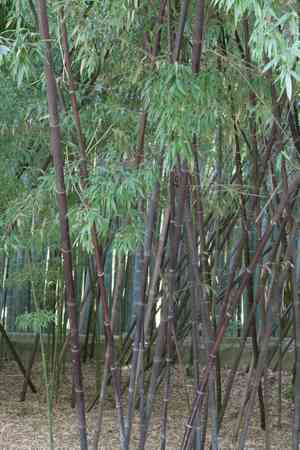
Distinguished by its prominent dark stalks, black bamboo is a sturdy, clustered bamboo variety. Trimming guarantees controlled development and sustains its decorative charm. Essential methods involve reducing older, less robust stalks and shaping errant branches to uphold its form. The ideal period for pruning is in winter or early spring, right before the commencement of its rapid growth. Pruning aids in stimulating fresh development and can boost air movement, which is crucial for the plant's well-being. Consistent elimination of deceased or frail stalks averts congestion and elevates its visual attractiveness.
What Are the Benefits of Pruning Black Bamboo?
What Are the Benefits of Pruning Black Bamboo?
Trimming black bamboo encourages robust development and helps maintain its desired shape. Regular removal of mature stalks revitalizes the plant and stimulates fresh shoots, ensuring a lush and appealing look.
What Is the Best Time for Pruning Black Bamboo?
What Is the Best Time for Pruning Black Bamboo?
Early spring is the ideal period for trimming black bamboo as it coincides with the end of the plant's dormant phase and just before its active growth begins. Pruning in early spring allows the plant to channel its energy into producing new shoots and leaves, ensuring healthy and controlled development. Trimming at this time minimizes stress on black bamboo, as it has not yet invested significant resources in new growth. Additionally, early spring pruning enables the removal of any winter damage before the plant starts to develop new shoots. Avoid winter pruning to protect the plant from cold damage and to prevent removing any potential late-season growth that has not yet hardened before the onset of cold weather.
What Tools Do I Need to Prune Black Bamboo?
Bypass Pruners
Perfect for thinning young shoots and for general upkeep of black bamboo, providing a clean cut without crushing plant tissues.
Loppers
Offer leverage and extended reach for cutting thicker canes of black bamboo, ensuring accuracy in dense clusters without harming surrounding growth.
Pruning Saw
Essential for removing mature canes and can handle the thick diameter and toughness typical of black bamboo's older growth.
Heavy-Duty Shears
Useful for shaping and managing the spread of black bamboo, allowing for quick cuts of thinner canes and leaves due to their larger blade size.
Gloves
Protect hands from black bamboo's rough canes and occasional sharp edges during the trimming process.
Safety Glasses
Prevent eye injury from flying debris while cutting back or trimming black bamboo.
How to Prune Black Bamboo
Clean Tools
Before trimming black bamboo, sanitize your pruning tools with a disinfectant like isopropyl alcohol to prevent disease transmission.
Identify
Inspect black bamboo for diseased or withered leaves. Look for any foliage that appears discolored, damaged, or shows signs of fungal growth.
Remove Diseased
Carefully remove diseased leaves from black bamboo by cutting them at the base where they attach to the stem. Ensure a clean cut to avoid leaving stubs that could harbor pests or disease.
Remove Withered
Snip off withered leaves on black bamboo in the same manner—close to the stem—being careful not to damage healthy tissue.
Dispose
Discard all removed foliage far from black bamboo to minimize the risk of disease spread. Do not compost diseased material, as pathogens could survive and infect other plants.
Common Pruning Mistakes with Black Bamboo
Overpruning
Removing too many canes at once from black bamboo can stress the plant, leading to stunted growth or an undesirable appearance.
Pruning Old And New Canes
Cutting both old and new canes indiscriminately may impair the health and vigor of black bamboo, as older canes provide structural support while new canes ensure vigorous growth.
Incorrect Pruning Technique
Using dull or improper tools can damage the canes of black bamboo, leading to frayed cuts that may invite pests or disease.
Ignoring Cane Health
Failing to identify and remove weak, diseased, or damaged canes can compromise the overall health and aesthetics of black bamboo, as they can become vectors for disease or decay.
Lack Of Thinning
Skipping the thinning process can result in a dense clump with poor air circulation, increasing the likelihood of disease and decreasing light penetration for black bamboo.
Common Pruning Tips for Black Bamboo
Selective Pruning
Focus on removing specific canes of black bamboo to encourage airflow and light penetration, which promotes healthier growth while maintaining the plant's natural shape.
Maintain Structure
Preserve the natural architecture of black bamboo by retaining a mix of canes of different ages, and only pruning those necessary for the plant's health and aesthetics.
Clean Cuts
Use sharp, clean tools to make precise cuts on black bamboo that heal quickly and reduce the risk of disease. This means clean, straight cuts without jagged edges.
Health Assessment
Regularly assess the health of black bamboo canes, pruning away any that are diseased, pest-infested, or damaged to prevent further issues and promote new growth.
Thinning Process
Thin out the clump of black bamboo systematically, removing canes from the center to improve air circulation and light access to the interior of the clump.



