How to Prune Emblic?
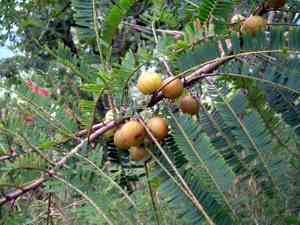
Celebrated for its nutritious produce, emblic (Emblic) flourishes with annual trimming to preserve its form and vitality. Perform pruning in late winter, eliminating deceased or congested limbs to improve air movement and light penetration. Reducing the density of the crown is essential for fruit development. Consistent pruning additionally facilitates superior pest control and can stimulate fresh development, guaranteeing a generous harvest.
Advantages of Trimming Emblic
Advantages of Trimming Emblic
Trimming emblic promotes a more abundant yield, stimulates robust development, and maintains its desired form, ensuring optimal plant vitality and output.
Optimal Time for Trimming Emblic
Optimal Time for Trimming Emblic
Trimming emblic in late winter, just before spring growth begins, is ideal as the plant is still dormant, minimizing stress. Pruning then allows emblic to recover and channel energy into new spring growth. It also helps remove dead or damaged branches that could harbor pests or diseases, potentially affecting emblic's health during the active growing season. Furthermore, since emblic produces fruit, late winter pruning won't disrupt flowering and fruiting cycles, which typically occur as weather warms. This practice ensures the plant maintains a healthy structure and stimulates fruit-bearing wood growth without sacrificing the current year's harvest.
Essential Tools for Trimming Emblic
Hand Pruners
These are perfect for snipping small branches and twigs on emblic. Bypass pruners are preferred for their clean, precise cuts, which help maintain shrub health by preventing jagged edges that could lead to disease.
Loppers
They offer greater leverage for branches thicker than hand pruners can manage. Their long handles enable gardeners to reach into emblic's canopy without harming surrounding branch structures.
Pruning Saw
This tool is essential for larger branches that neither hand pruners nor loppers can handle. A pruning saw makes clean cuts through thicker branches, reducing stress on emblic and promoting proper healing.
Hedge Shears
While not always crucial, these can be used to shape emblic if it's grown as a hedge or for aesthetic purposes. Hedge shears should be used cautiously to avoid excessive trimming.
How to Trim Emblic
Sanitize and sharpen tools
Before trimming emblic, clean and sharpen pruning shears and saws to ensure precise cuts and prevent disease transmission.
Check for dead branches
Thoroughly inspect emblic for dead or dying branches, which typically appear dry, brittle, and lack green living tissue when lightly scratched.
Cut dead branches
Using your tools, carefully cut any dead branches on emblic where they meet healthy wood, ensuring each cut is clean and angled to allow water runoff and prevent decay.
Look for diseased branches
Examine emblic for any branches showing signs of illness, such as discoloration, unusual growth patterns, or decay, being careful not to spread potential pathogens.
Remove diseased branches
Remove any diseased branches from emblic by making cuts well below the affected areas, disinfecting tools after each cut to avoid contaminating healthy parts of the plant.
Common Trimming Errors with Emblic
Excessive trimming
Removing too much foliage from emblic at once can stress the plant, potentially weakening its defense against pests and diseases or reducing fruit production.
Incorrect Cutting Technique
Using dull or dirty pruning tools can result in jagged cuts, harming emblic and making it more vulnerable to infections.
Failure to Remove Deadwood
Neglecting to regularly remove dead or diseased branches can impede emblic's growth and allow disease to spread.
Unnecessary Live Wood Removal
Removing live wood without a clear purpose can lead to a misshapen plant and wasted energy resources for emblic.
Ignoring Plant Structure
Random cutting without understanding the plant's natural growth pattern can result in poor airflow and sunlight penetration, which may hinder emblic's health and fruiting capabilities.
General Trimming Advice for Emblic
Clean and Sharp Tools
Ensure all trimming tools are cleaned and sharpened before pruning emblic to make clean cuts and minimize disease risk.
Selective Trimming
Focus on thinning out crowded branches to enhance light penetration and air circulation. This promotes a strong structure for emblic, encouraging healthy growth and fruit production.
Timely Removal of Deadwood
Regularly inspect and promptly remove dead, diseased, or broken branches to maintain emblic's vigor and health.
Consider the Plantâs Health
Prune with emblic's health in mind, aiming to remove only what is necessary without over-trimming.
Plan the Trimming Cuts
Before making any cuts, plan which branches need to be removed, considering emblic's future growth. This will help maintain its natural shape and purposefully direct growth.



