How to Prune Taiwanese photinia?
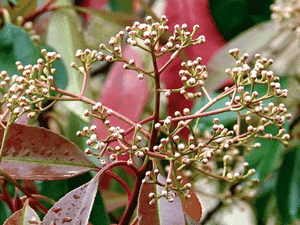
Hailing from East Asia, Photinia taiwaniana is a resilient evergreen distinguished by its crimson new foliage and groupings of white blossoms. Essential pruning methods involve reducing dense branches to facilitate air movement and sculpting the plant by trimming back elongated stems. The ideal period for pruning is during the winter, while the plant is inactive, to guarantee robust growth in spring. Consistent pruning improves the plant's framework and encourages a more vibrant, visually appealing shape.
What Are the Benefits of Pruning Taiwanese Photinia?
What Are the Benefits of Pruning Taiwanese Photinia?
Trimming taiwanese photinia promotes robust development and helps maintain its desired form. It removes dead or diseased branches, fostering healthier foliage and structure.
What Is the Best Time for Pruning Taiwanese Photinia?
What Is the Best Time for Pruning Taiwanese Photinia?
Winter is considered optimal for several reasons. Firstly, taiwanese photinia is dormant during winter, which minimizes stress and the risk of sap loss that can attract pests. Secondly, the absence of leaves at this time provides a clear view of the plantâs structure, allowing for more precise cuts. Lastly, pruning in winter before the spring growth spurt encourages healthy new growth and maintains the desired shape of taiwanese photinia. It's ideal to conduct trimming before spring begins, to avoid disrupting the flowering phase that follows the plant's winter rest.
What Tools Do I Need to Prune Taiwanese Photinia?
Hand Pruners
Taiwanese photinia has moderately sized branches which can be well managed using high-quality hand pruners. These tools are perfect for making clean cuts on branches up to 3/4 inch in diameter and for shaping the plant.
Loppers
For branches that are slightly larger and out of reach, loppers are the go-to tool. The long handles provide leverage, allowing precise cutting of branches up to 1 1/2 inches thick without damaging taiwanese photinia.
Pruning Saw
When dealing with mature or thick branches over 1 1/2 inches in diameter, a pruning saw is necessary. It allows for clean cuts without exerting excessive force, which is important to avoid harming taiwanese photinia.
Hedge Shears
For shaping the dense foliage and maintaining the desired form of taiwanese photinia, hedge shears are useful. They should be used to trim the softer, outer parts of the plant's canopy to promote new growth.
Gardening Gloves
Wearing gloves helps protect your hands from scratches when pruning taiwanese photinia, ensuring a more comfortable gardening experience.
Pruning Sealer
After trimming larger branches of taiwanese photinia, a pruning sealer might be applied to protect the wounds from pests and diseases and to promote faster healing.
How to Prune Taiwanese Photinia
Step1: Tool Preparation and Disinfection
Gather the appropriate pruning tools for taiwanese photinia. You will need sharp, clean bypass pruners and loppers. Disinfect the cutting tools with a 10% bleach solution or rubbing alcohol to prevent the spread of disease.
Step2: Diseased Branch Identification and Removal
Identify diseased branches on taiwanese photinia by looking for discoloration, unusual growth patterns, or visible fungi. Make sure to remove these first to prevent the spread of disease. Cut the branch 4-6 inches below the affected area into healthy wood.
Step3: Dead Wood Detection and Pruning
Locate any dead wood on taiwanese photinia, which can be recognized by its dry, brittle texture and lack of leaves. Prune dead branches back to their point of origin or to a healthy lateral branch that's facing outward.
Step4: Sucker Growth Removal
Search for suckers, which are sprouts growing from the roots or base of taiwanese photinia. These growths can drain energy from the main plant. Remove suckers by cutting them as close to their origin as possible, ideally flush with the main stem or root surface.
Step5: Proper Pruning Technique
When pruning diseased branches, dead wood, or suckers, make angled cuts just above a healthy bud or node. The angle should direct moisture away from the bud to facilitate healing and prevent disease.
Step6: Shaping and Thinning for Health
After the removal of diseased branches, dead wood, and suckers, inspect the overall shape of taiwanese photinia. If additional shaping is required, prune for symmetry, making thinning cuts to improve light penetration and air flow within the canopy.
Step7: Sealing Large Pruning Wounds
Seal any large cuts on taiwanese photinia with a pruning sealer to protect the open wounds from pests and diseases. This is particularly important if diseases are prevalent in your area.
Step8: Cleanup of Pruning Debris
Clean up all the pruned material from around the base of taiwanese photinia to prevent rot and the risk of harboring pests or diseases. Dispose of diseased material appropriately, ideally by burning or through municipal yard waste services, but do not compost it.
Step9: Plant Health Monitoring Post-Pruning
Monitor taiwanese photinia after pruning for signs of stress or disease. If the plant does not seem to be recovering well, consult with a local extension service or nursery for advice specific to your area's climate and potential plant diseases.
Step10: Post-Pruning Care and Maintenance
Finally, care for taiwanese photinia post-pruning by providing adequate water and possibly a balanced, slow-release fertilizer to encourage healthy new growth.
Post-Pruning Care for Taiwanese Photinia
Post-Pruning Care for Taiwanese Photinia
After pruning taiwanese photinia, immediately provide ample water to minimize transplant shock. Ensure taiwanese photinia is situated in a location with adequate indirect light; avoid direct sunlight to prevent foliage burn. Maintain moderate humidity and a stable temperature, avoiding extreme fluctuations. Apply a balanced, slow-release fertilizer to support new growth. Regularly inspect taiwanese photinia for signs of stress, such as wilted leaves or discoloration. If signs of infection are present, treat promptly with an appropriate fungicide or pesticide.
Common Pruning Mistakes with Taiwanese Photinia
Over-pruning
Pruning too much at once, which can stress taiwanese photinia and lead to poor growth or disease susceptibility.
Using Dull or Dirty Tools
Using dull or unclean tools that can cause jagged cuts and introduce pathogens to taiwanese photinia.
Incorrect Cutting on Old Wood
Cutting into older, thick wood can harm taiwanese photinia, as it may not regenerate as easily from old wood.
Common Pruning Tips for Taiwanese Photinia
Sharp and Sterile Tool Usage
Use sharp, clean pruning tools to make clean cuts, which help taiwanese photinia heal more rapidly and reduce the risk of disease.
Thinning for Better Airflow and Light
Focus on thinning out crowded areas to increase air circulation and light penetration, which benefits the health and vigor of taiwanese photinia.
Pruning Above Outward-Facing Buds
Prune just above an outward-facing bud to direct new growth away from the center of taiwanese photinia, promoting a more attractive shape.



