How to Prune Red tip photinia?
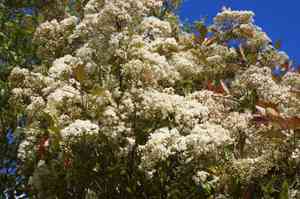
Distinguished by its crimson-edged leaves and white springtime flowers, Photinia x fraseri 'Red Tip' thrives with appropriate trimming. The optimal time for this task is in winter, while the plant is inactive, to encourage robust development in spring. Reducing dense branches improves air movement and light exposure, which are crucial for preserving its well-being. Consistent snipping of the ends promotes a fuller appearance. Eliminate any dead or ailing wood and sculpt hedges or screens as required. Trimming not only boosts its visual attractiveness but also aids in disease prevention.
What Are the Benefits of Pruning Red Tip Photinia?
What Are the Benefits of Pruning Red Tip Photinia?
Trimming red tip photinia promotes robust new growth and maintains its desired aesthetic form. Regular cutting aids red tip photinia in developing dense foliage and can prevent illness by enhancing air circulation within its canopy.
What Is the Best Time for Pruning Red Tip Photinia?
What Is the Best Time for Pruning Red Tip Photinia?
Trimming red tip photinia in late winter or early spring, just before new growth emerges, is considered ideal as it minimizes plant stress and allows for vigorous spring development. This timing also helps maintain the shrub's desired shape and size, and encourages the vibrant red new foliage red tip photinia is known for, which appears after the cut. Avoiding pruning in late autumn or during frosty periods helps prevent damage to fresh cuts that might not heal properly in cold weather. Furthermore, pruning during dormancy reduces the risk of pest infestation and disease, as many pests and pathogens are less active in winter.
What Tools Do I Need to Prune Red Tip Photinia?
Bypass Pruners
Suitable for making clean cuts on live wood, ensuring rapid healing in red tip photinia.
Lopping Shears
Perfect for cutting through thicker branches up to 1.5 inches in diameter, which red tip photinia might develop.
Pruning Saws
Essential for removing larger limbs exceeding 1.5 inches in diameter to shape or thin out red tip photinia.
Hedge Shears
Useful for shaping red tip photinia hedges and achieving a neat, uniform appearance.
Pruning Gloves
Protects hands from scratches and sap while trimming red tip photinia.
How to Prune Red Tip Photinia
Clean tools
Before beginning to prune red tip photinia, ensure all pruning implements are sterilized. This prevents the spread of disease and pests between plants. Use a bleach and water solution or rubbing alcohol to clean shear and saw blades.
Remove withered leaves
Carefully inspect red tip photinia for dried-up leaves. Gently remove these leaves by hand or with pruners, taking care not to harm healthy adjacent foliage or stems. This aids in improving air circulation and light penetration.
Cut dead branches
Using sharp, clean bypass pruners or a pruning saw, remove dead branches by cutting them at their base where they meet healthy wood. Make the cut just outside the branch collar without damaging it, to encourage quicker healing.
Trim diseased branches
Identify and trim diseased branches on red tip photinia to prevent further infection. Cut the branch several inches into healthy tissue below the affected area. Seal the cut with pruning paint if advised to inhibit disease entry, following manufacturer's instructions.
Thin crown
Thin the crown of red tip photinia if necessary to increase light penetration and air flow within the canopy, which helps reduce disease incidence. Selectively prune crowded branches, maintaining the plant's natural shape and avoiding excessive pruning to preserve its health.
Common Pruning Mistakes with Red Tip Photinia
Overpruning
Removing too much foliage at once can shock red tip photinia, leading to sparse growth and reduced vigor. Aim to remove no more than a quarter to a third of the total volume in a single pruning session.
Improper cut locations
Cutting red tip photinia either too close to the main stem or too far from the buds can cause stem damage or stimulate undesirable growth. Ensure cuts are made just above an outward-facing bud or leaf.
Using dull tools
Dull pruning tools can harm red tip photinia's branches, resulting in jagged cuts that are more vulnerable to pests and diseases. Always use sharp, clean pruning equipment.
Pruning during recovery
Trimming red tip photinia while it's under stress from drought, disease, or after recent planting, can hinder its ability to recover and thrive. Allow the plant to establish itself before pruning.
Neglecting diseased material
Failing to remove and dispose of diseased branches can spread pathogens throughout red tip photinia. Sanitize pruning tools after cutting away any diseased material.
Common Pruning Tips for Red Tip Photinia
Thinning out
Thin out congested areas to promote better air circulation within red tip photinia, which can help lower the risk of fungal diseases.
Natural shape
Maintain the natural form of red tip photinia by pruning selectively rather than shearing. Target specific limbs to manage size and encourage a more natural, appealing shape.
Encourage new growth
To stimulate new growth, prune just above a set of leaves or an outward-facing bud to direct red tip photinia's growth in a desired direction.
Deadheading
Remove spent blooms from red tip photinia to encourage further flowering and prevent the plant from expending energy on seed production.
Sealing cuts
Apply a wound sealant or pruning paint to larger cuts on red tip photinia to prevent disease entry and promote healing, especially when trimming branches thicker than your finger.



