How to Prune Garden phlox?
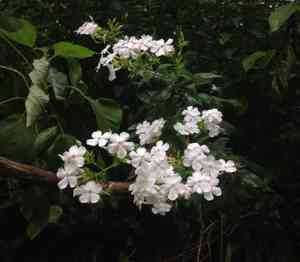
Celebrated for its vivid summer blossoms and vertical habit, garden phlox flourishes with consistent trimming. Remove faded flowers to stimulate further flowering. In the initial days of spring, shorten stalks to 1-2 inches to foster a more compact form. Following the first freeze, trim to soil level, eliminating aged vegetation. The most effective pruning period spans from early spring through late autumn, steering clear of winter to avert harm from cold. Trimming improves air movement, lowers the chance of illness, and preserves garden phlox's visual charm.
What Are the Benefits of Pruning Garden Phlox?
What Are the Benefits of Pruning Garden Phlox?
Trimming garden phlox promotes more abundant blossoms, stimulates robust development, and helps maintain a tidy, structured appearance. Consistent cutting is vital as it revitalizes garden phlox, enabling it to thrive year after year.
What Is the Best Time for Pruning Garden Phlox?
What Is the Best Time for Pruning Garden Phlox?
Pruning garden phlox in early spring, just before new growth emerges, fosters a strong branch structure and prepares the plant for the upcoming season. Trimming at this time reduces disease transmission risk and simplifies shaping. Late summer pruning is beneficial after garden phlox has bloomed, as it helps prevent self-seeding and improves airflow, which can lessen fungal disease likelihood. Early fall pruning is also advantageous for removing spent blooms and dead or diseased stems before dormancy, maintaining plant health and vigor for the next growing season.
What Tools Do I Need to Prune Garden Phlox?
Hand Pruners
Suitable for cutting stems up to 3/4 inch thick, perfect for deadheading garden phlox or shaping it during the active growth period.
Pruning Shears
Deliver a clean cut essential for preserving the health of garden phlox's stems. Bypass pruners are especially useful for making precise cuts without harming the plant.
Scissors
Helpful for snipping off faded flowers or slender stems of garden phlox that are too delicate for pruners, ensuring a neat plant look.
Gloves
Protect the gardener's hands from scrapes and minor injuries while pruning garden phlox, as well as from any potential skin irritants.
How to Prune Garden Phlox
Step1: Assess Plant Health and Structure
Disinfect your pruning shears with a solution of one part bleach to nine parts water to prevent disease spread between plants.
Step2: Sanitize Pruning Tools
Begin pruning garden phlox by removing dead flowers, or 'deadheading'. Carefully snip off the spent flower heads just above the first set of healthy leaves below the faded blooms. This encourages garden phlox to produce more flowers and prevents unwanted self-seeding.
Step3: Deadhead Spent Blooms
Identify weak stems on garden phlox that are thin, elongated, or showing signs of poor health. Weak stems can be entirely removed to enhance air circulation and redirect energy to stronger stems.
Step4: Remove Weak Stems
Make precise cuts on weak stems at a 45-degree angle, approximately 1/4 inch above an outward-facing bud or leaf node. This stimulates healthy new growth.
Step5: Angular Cuts for Growth Stimulation
After finishing the pruning of dead flowers and weak stems, step back and evaluate garden phlox for its overall form. Trim any additional stems as needed to maintain a pleasing, natural shape for the plant.
Step6: Shape the Plant
Remove all pruned debris from around garden phlox to deter pests and disease, and compost or dispose of the waste appropriately.
Step7: Clear Pruning Debris
Water garden phlox at the base to help it recover from pruning stress, being careful not to wet the foliage, as this can promote fungal diseases.
Step8: Water the Plant at Base
Apply a balanced fertilizer to garden phlox after pruning to replenish nutrients and promote vigorous growth throughout the growing season.
Post-Pruning Care for Garden Phlox
Post-Pruning Care for Garden Phlox
Immediately after pruning garden phlox, ensure sufficient watering to aid recovery but avoid waterlogging. Maintain moderate humidity and place garden phlox in bright, indirect light to prevent stress, while avoiding direct sun exposure which can harm fresh cuts. In subsequent weeks, apply balanced fertilizer to support new growth; phosphorus-rich feeds can boost root and bud development. Regularly check for wilting or discoloration indicating stress or disease. If symptoms appear, isolate the plant and consult a horticultural expert for treatment.
Common Pruning Mistakes with Garden Phlox
Excessive Pruning Stresses Plants
Pruning too aggressively, which can stress garden phlox and hinder their future growth or blooming potential.
Cutting Old Growth Can Limit Reblooming
Cutting into old, woody stems that no longer produce flowers can eliminate potential new growth points.
Unsterilized Tools Spread Diseases
Not sanitizing pruning tools before use, which increases the risk of spreading diseases between plants.
Ignoring Dead Stems Compromises Health
Neglecting to remove dead or diseased stems, which can lead to further plant health issues.
Over-pruning Restricts Photosynthesis
Excessive pruning without allowing the plant to retain enough foliage to support photosynthesis and growth.
Common Pruning Tips for Garden Phlox
Use Sharp, Clean Shears for Healthy Cuts
Utilize sharp, clean pruning shears to make precise cuts that will heal quickly and reduce disease risk.
Prune Faded Flowers for Second Bloom
Remove only the dead or faded flowers and the upper part of the stem to encourage a second bloom and promote branching.
Thin Stems Early for Better Airflow
Thin out crowded stems early in the growing season to improve air circulation and decrease the likelihood of fungal infections.
Selective Pruning Enhances Shape and Sunlight Penetration
Prune selectively to shape the plant while preserving its natural form and to allow sunlight to reach the lower leaves.
Post-Bloom Cutting Encourages New Growth
After the main blooming period, cut back the stems by one-third to one-half to promote healthy new growth.
Remove Debris to Prevent Disease
Regularly remove any fallen debris and spent flowers to maintain cleanliness around garden phlox and prevent potential disease.



