How to Prune Black gold philodendron?
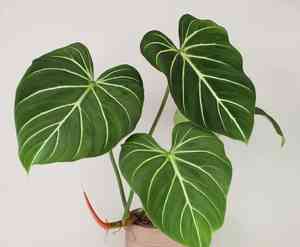
This exotic aroid is prized for its plush, cordate foliage and prominent golden-yellow venation. Appropriate trimming sustains black gold philodendron's vitality and form. Employ disinfected scissors to detach yellowed or compromised leaves from the base. Shorten elongated stems to foster denser development. The ideal period for trimming is early spring or late winter, aligning with black gold philodendron's phase of vigorous growth. Pruning not only improves visual appeal but also stimulates more robust leaves and aids in the circulation of light and air.
What Are the Benefits of Pruning Black Gold Philodendron?
What Are the Benefits of Pruning Black Gold Philodendron?
Trimming black gold philodendron promotes more vigorous development by redirecting energy to new leaves and stems. Regular cutting helps maintain its desired form and size, ensuring black gold philodendron remains attractive and manageable within its environment.
What Is the Best Time for Pruning Black Gold Philodendron?
What Is the Best Time for Pruning Black Gold Philodendron?
Pruning black gold philodendron is most effective in late winter or early spring as these seasons precede its active growth period. During late winter, black gold philodendron is still dormant, which minimizes stress and allows for better healing of cuts before new growth begins. Early spring, just before or as new growth starts, is another excellent time because it stimulates black gold philodendron to produce fresh, healthy growth, shaping the plant and encouraging a fuller look. It also provides an opportunity to remove any dead or damaged foliage from the previous growing season, which can foster a healthier environment for the plant by reducing the incidence of pests and diseases. Pruning during this period helps conserve black gold philodendron's energy, ensuring that it is directed towards the development of new shoots and leaves, rather than maintaining unnecessary or undesirable parts of the plant. Seasonal considerations ensure that pruning does not interfere with any flowering or fruiting cycles since black gold philodendron is primarily grown for its foliage.
What Tools Do I Need to Prune Black Gold Philodendron?
Sharp Scissors or Snips
For precise cutting of thin stems and removal of dead or yellowing leaves on black gold philodendron, sharp scissors or snips are ideal. They enable clean cuts that encourage healthy regrowth and minimize plant damage.
Pruning Shears
Black gold philodendron's thicker stems may necessitate pruning shears for a cleaner, easier cut. Choose a pair with a bypass blade to promote healthy healing after the cut.
Gloves
Wearing gloves can shield your hands from sap and potential irritation when pruning black gold philodendron, while also providing a better grip on tools.
Disinfectant
Disinfecting cutting tools before and after pruning black gold philodendron is crucial to prevent the spread of disease and infection. A simple solution of isopropyl alcohol or household disinfectant should suffice.
How to Prune Black Gold Philodendron
Sterilize
Sanitize your pruning tools using rubbing alcohol or a 10% bleach solution to prevent disease transmission when cutting black gold philodendron.
Identify
Locate diseased and withered leaves on black gold philodendron, ensuring only affected foliage is targeted for removal to maintain the plant's health and appearance.
Cut
Make clean cuts using sharp scissors or pruning shears, snipping diseased or withered leaves at their base where they meet the stem, without harming healthy tissue.
Dispose
Carefully discard removed leaves away from your other plants to prevent any potential spread of disease or pests associated with the removed foliage of black gold philodendron.
Clean
Clean pruning tools again after use to remove any sap or plant residue that may promote disease transmission during future pruning sessions with black gold philodendron or other plants.
Common Pruning Mistakes with Black Gold Philodendron
Over Pruning
Removing too much foliage can stress black gold philodendron, hindering its ability to photosynthesize and grow effectively. Novice gardeners especially might prune excessively in an attempt to shape the plant or encourage new growth, potentially causing more harm than good.
Improper Cut Techniques
Black gold philodendron has delicate stems that can be easily damaged by rough cuts. Using dull or dirty pruning tools can crush stems and create jagged cuts, making the plant susceptible to infections and pests.
Pruning Healthy Growth
Some gardeners may mistakenly prune healthy leaves and stems instead of just removing dead or damaged parts. This can limit black gold philodendron's growth and potentially ruin its natural shape.
Ignoring Disease Prevention
Neglecting to sterilize pruning tools before and after use on black gold philodendron is a common oversight that can lead to the spread of diseases between plants.
Inadequate Aftercare
Post-pruning care is crucial, and a mistake is not providing black gold philodendron with the appropriate care, like maintaining humidity and watering, to help it recover and thrive after pruning.
Common Pruning Tips for Black Gold Philodendron
Sterilize Tools
Before pruning black gold philodendron, always sterilize the pruning tools with isopropyl alcohol or a bleach solution to prevent the spread of pests and diseases. This is fundamental for both novice and experienced gardeners.
Sharp Cuts
Use a sharp, clean pair of pruning shears to make precise cuts that promote quick healing. Ensure the cuts are made at a 45-degree angle to minimize the risk of disease and damage to the plant.
Remove Only The Necessary
Focus on removing dead, yellowing, or damaged leaves, as well as any leggy stems that detract from the plant's appearance. Retain the plant's healthy growth to encourage robust development.
Prune For Aeration
Black gold philodendron benefits from pruning that opens up the plant structure to improve air circulation. This helps reduce the risk of fungal infections in the dense foliage.
Watering Post Pruning
After pruning, water black gold philodendron appropriately to support recovery; however, be careful not to overwater as the plant may require less hydration due to reduced foliage.



