How to Prune Philodendron Fat Boy?
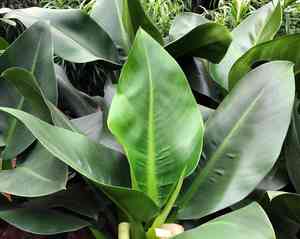
Originating from the Brazilian rainforest, philodendron Fat Boy exhibits vibrant leaves and sturdy stalks. Trimming should concentrate on eliminating withered or discolored foliage and reducing excessive growth to preserve its form and stimulate fresh development. The optimal period for pruning is during phases of active growth, generally in spring and summer. Refrain from extensive pruning in autumn to enable philodendron Fat Boy to conserve vitality for the colder months. Consistent trimming aids philodendron Fat Boy by fostering improved air movement and a strong, compact structure.
What Are the Benefits of Pruning Philodendron Fat Boy?
What Are the Benefits of Pruning Philodendron Fat Boy?
Trimming philodendron Fat Boy promotes robust development and maintains an appealing form. It helps remove dead or weak foliage, encouraging a denser, healthier structure, while keeping its size manageable and boosting its visual appeal.
What Is the Best Time for Pruning Philodendron Fat Boy?
What Is the Best Time for Pruning Philodendron Fat Boy?
For philodendron Fat Boy, pruning in Spring is optimal as this is when the plant enters its active growth phase, allowing for quick recovery and flourishing after trimming. Early Summer is also suitable for light trimming to guide the plant's shape and remove any lingering or excess growth from Spring. During Fall, minor pruning is beneficial for removing any dead or damaged foliage before the plant's growth slows down in winter. It is important to avoid extensive pruning in late Summer or Fall, as this can weaken philodendron Fat Boy before its dormant period. Seasonal conditions during these recommended times typically support wound healing and vigorous regrowth, thus promoting the overall health and aesthetics of philodendron Fat Boy.
What Tools Do I Need to Prune Philodendron Fat Boy?
Sharp, clean scissors or snips
For philodendron Fat Boy, it's crucial to use sharp scissors or snips specifically designed for precise cuts on softer stems. Their accuracy and ease of use make them perfect for routine maintenance and shaping of this plant.
Lightweight pruners
Philodendron Fat Boy's occasionally thicker stems may require lightweight pruners that can make smooth cuts without harming the plant tissue. This tool is ideal for handling slightly tougher material while ensuring a healthy cut.
Disinfectant for tools
To prevent the spread of disease when pruning philodendron Fat Boy, it's critical to disinfect cutting tools before and after use. Using a disinfectant like rubbing alcohol helps maintain plant health.
Gloves
When pruning philodendron Fat Boy, wearing gloves can offer protection from the plant's sap, which may irritate some individuals' skin. Gloves also provide a better grip on pruning tools.
How to Prune Philodendron Fat Boy
Clean Tools
Sanitize your pruning tools with isopropyl alcohol or a household disinfectant before starting to prune philodendron Fat Boy. This helps prevent the spread of diseases between plants.
Identify
Examine philodendron Fat Boy carefully to locate diseased, withered, or dead plant material. Look for leaves that are yellow, brown, or have unhealthy spots, as well as branches that appear dry and brittle.
Pruning Diseased Leaves
Using sharp, clean pruning shears, cut off diseased and withered leaves at the base where the leaf stem meets the main stalk. Ensure you make a clean cut without damaging healthy parts.
Pruning Dead Branches
For dead or diseased branches, make cuts above the node, where the leaf attaches to the branch, to encourage the growth of healthy new shoots. Be conservative, removing only the necessary plant material.
Disposal
Dispose of the removed leaves and branches safely away from healthy plants to avoid contamination. Do not compost diseased plant materials as it may spread pathogens.
Common Pruning Mistakes with Philodendron Fat Boy
Overpruning
Removing more than one-third of philodendron Fat Boy's foliage at a time can stress the plant, leading to stunted growth or increased susceptibility to diseases.
Blunt Tools
Using dull or unclean pruning tools causes jagged cuts that can leave philodendron Fat Boy's stems vulnerable to infection and pest infestation.
Improper Cut Location
Cutting too close to the main stem, or leaving too long a stub, can hinder philodendron Fat Boy's natural healing process and potentially foster disease.
Removing Too Many Leaves
Stripping philodendron Fat Boy of too many leaves can impede photosynthesis and energy production, weakening the overall health of the plant.
Ignore Health Status
Attempting to prune philodendron Fat Boy when it's unhealthy or under stress can worsen its condition rather than improving its shape or growth.
Common Pruning Tips for Philodendron Fat Boy
Sharp Clean Tools
Ensure pruning tools are sharp and disinfected to make clean cuts and reduce the risk of spreading diseases to philodendron Fat Boy.
Diagonal Cuts
Make sure cuts are at a 45-degree angle to prevent water accumulation on the cut surface, which can lead to rot and disease in philodendron Fat Boy.
Cut Above Node
Prune philodendron Fat Boy just above a leaf node, which is where new growth will occur, helping to stimulate healthy branching.
Sterilize After Use
Sterilize tools after each use to prevent cross-contamination between plants, especially important for philodendron Fat Boy due to its sensitivity to infections.
Selective Pruning
Carefully select which leaves and stems to remove by considering philodendron Fat Boy's overall shape, which will enhance its appearance without compromising its vitality.



