How to Prune Heartleaf philodendron?
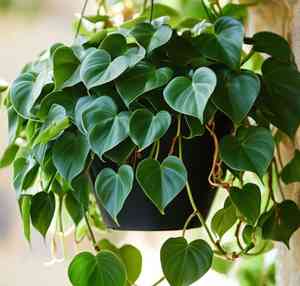
This perennial climber, celebrated for its abundant greenery and trailing nature, flourishes with regular trimming. For heartleaf philodendron, shorten elongated stems and discard discolored leaves to foster a denser appearance. It is most effectively pruned during its vigorous growth period, from early spring to late autumn, to ensure swift recuperation and revitalization. Trimming improves visual appeal, controls dimensions, and boosts plant well-being by eliminating potential infestations or ailing foliage.
What Are the Benefits of Pruning Heartleaf Philodendron?
What Are the Benefits of Pruning Heartleaf Philodendron?
Trimming heartleaf philodendron promotes vigorous development and preserves its appealing shape. By selectively cutting back overgrown sections, heartleaf philodendron can channel energy into producing denser foliage and revitalizing its strength, ensuring it remains a lush, well-proportioned houseplant.
What Is the Best Time for Pruning Heartleaf Philodendron?
What Is the Best Time for Pruning Heartleaf Philodendron?
Trimming heartleaf philodendron in early spring is optimal as the plant commences its active growth phase following the dormant winter months. This allows heartleaf philodendron to recover swiftly and produce new growth in response to pruning. Cutting during late fall prepares heartleaf philodendron to focus its energy in the roots and main structure during winter, enhancing resilience and form for the subsequent growing season. These periods ensure the plant's health is maintained without disrupting its natural growth, flowering, or potential fruiting cycles. Avoid pruning in winter to prevent stress on heartleaf philodendron when it is not actively growing.
What Tools Do I Need to Prune Heartleaf Philodendron?
Sharp Scissors or Snips
For heartleaf philodendron, a plant with relatively soft stems, sharp scissors or snips are crucial. They enable precise cuts that minimize harm to the delicate vines, fostering healthier growth post-pruning.
Micro-Tip Pruning Snips
Heartleaf philodendron might have smaller, hard-to-reach areas requiring trimming. Micro-tip snips offer precision and are perfect for snipping away unwanted or dead leaves and stems without disturbing the rest of the plant.
Disinfectant (e.g. rubbing alcohol)
Before and after pruning heartleaf philodendron, tools should be sanitized. This prevents the spread of disease between plants and ensures clean cuts that heal quickly and cleanly.
Gloves
While heartleaf philodendron is not known for being toxic, gloves protect the hands from potential irritation and keep the plant safe from oils and residue on the skin that can affect plant health.
How to Prune Heartleaf Philodendron
Step1: Preparing Pruning Tools
Gather the necessary implements. You will need a pair of clean, sharp scissors or pruning shears. Disinfect the blades with rubbing alcohol or a 1:9 ratio bleach solution to prevent the spread of disease to heartleaf philodendron.
Step2: Identifying Dead Leaves
Locate the dead leaves on heartleaf philodendron. Dead leaves are typically yellow, brown, or entirely dried out. Inspect the entire plant carefully to ensure you don't miss any diseased or dead foliage.
Step3: Cutting Off Dead Foliage
Remove the dead leaves by cutting them off where the leaf stem meets the main stem or vine. Make the cut as close as possible to the main stem without damaging it to encourage a neat growth habit.
Step4: Spotting Old Growth
Assess the plant for old growth. Old growth on heartleaf philodendron can be identified by stems that have fewer leaves, appear leggy, or have ceased producing new foliage. This old growth can divert energy from more vigorous parts of the plant.
Step5: Pruning Old Growth
Trim the old growth to stimulate new, healthy development. Locate the node (a small bump or swelling on the stem where leaves emerge) below the area you wish to remove. Cut the stem 1/4 inch above the node at a 45-degree angle to encourage new growth in heartleaf philodendron.
Step6: Clean Up Plant Debris
After pruning, clear away all removed plant material from around the base of heartleaf philodendron to prevent any potential disease or pest issues.
Step7: Hydrating After Pruning
Water heartleaf philodendron after pruning to reduce stress and provide hydration that is vital for recovery and new growth development.
Step8: Observing New Growth
Monitor heartleaf philodendron over the next few weeks for indications of new growth. New leaves should emerge at the pruned nodes, signifying a successful pruning session.
Step9: Post-Pruning Care
Finally, ensure that heartleaf philodendron is placed in an environment with appropriate light, humidity, and temperature to maximize its health and growth potential after the pruning process.
Post-Pruning Care for Heartleaf Philodendron
Post-Pruning Care for Heartleaf Philodendron
After trimming heartleaf philodendron, promptly water it to alleviate stress. Position heartleaf philodendron in bright, indirect light, at 60-80°F, with high humidity. Mist leaves to maintain moisture. Wait a month before fertilization to allow healing, then use balanced, water-soluble fertilizer monthly. Monitor heartleaf philodendron for yellowing leaves, wilting, or pests, indicative of stress or infection. If present, adjust care and consult a specialist.
Common Pruning Mistakes with Heartleaf Philodendron
Over-Pruning Plantâs Foliage Stresses Plant
Cutting too much of the heartleaf philodendron's foliage at once can stress the plant. Prune no more than one-third of the foliage to maintain the plant's health.
Dull or Dirty Pruning Tools Can Damage Stems
Using dull or dirty pruning tools can harm the stems of heartleaf philodendron and introduce disease. Always use clean, sharp scissors or pruners.
Pruning Too Close to Node May Hinder Growth
Trimming too close to the node, which can damage the growth point of heartleaf philodendron and may impede new growth.
Common Pruning Tips for Heartleaf Philodendron
Prune Above Nodes for Fuller Plant Growth
Identify the nodes on heartleaf philodendron, which are the points from which leaves and aerial roots grow. Make your cuts just above these nodes to encourage fuller growth.
Envision Plant Structure Before Pruning for Shape
If pruning to control size or shape, be strategic and visualize the desired structure of heartleaf philodendron before making cuts. Trim leggy or overgrown vines to maintain the plantâs appearance.
Remove Dead Leaves to Promote Healthy Growth
Regularly remove yellowing or dead leaves from heartleaf philodendron to promote healthy growth and deter pests and diseases.



