How to Prune Sweet mock-orange?
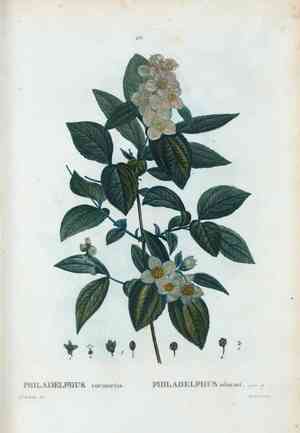
A shedding shrub recognized for its aromatic white blossoms, sweet mock-orange flowers on the prior year's development. Essential trimming entails reducing aged branches and cutting back stems to a robust bud to stimulate strong new shoots. The ideal period for pruning is directly following blooming in late spring or early summer. Pruning guarantees revitalization, preserves an appealing form, and boosts floral production. Do not eliminate more than one-third of the plant's growth to avoid stressing sweet mock-orange.
What Are the Benefits of Pruning Sweet Mock-orange?
What Are the Benefits of Pruning Sweet Mock-orange?
Trimming sweet mock-orange encourages the subsequent season's blossoms and eliminates aged wood, which can harbor pests and diseases. This maintenance practice keeps sweet mock-orange healthy and promotes a robust floral display.
What Is the Best Time for Pruning Sweet Mock-orange?
What Is the Best Time for Pruning Sweet Mock-orange?
The timing aligns with sweet mock-orange's growth cycle as it blooms on the previous year's growth. Pruning in late spring or early summer allows the plant to heal and produce new growth that will mature and set buds in the same year for the next flowering season. This ensures the health and vigor of the plant by removing any dead or overcrowded branches, which improves air circulation and light exposure, and maintains an attractive shape. Moreover, it avoids cutting off the buds that have already formed, which could reduce the floral display.
What Tools Do I Need to Prune Sweet Mock-orange?
Hand Pruners
Given the size of individual branches on sweet mock-orange, hand pruners are perfect for making clean cuts on stems up to 3/4 inch in diameter. They offer precise control for shaping the plant and removing unwanted branches.
Lopping Shears
For branches that are slightly larger, typically between 1 1/2 to 2 inches in diameter, lopping shears will provide the necessary leverage and cutting power without causing damage to sweet mock-orange's structure.
Pruning Saw
When dealing with the oldest and thickest branches of sweet mock-orange, a pruning saw is essential to handle diameters beyond what hand pruners and lopping shears can cut. A saw helps in making clean cuts without splintering the wood, which is important for the health of the plant.
Gloves
Wearing gloves is recommended to protect the gardenerâs hands from scratches and sap that may be present on sweet mock-orange's branches.
Pruning Sealer
After making cuts on large branches, applying pruning sealer can help protect sweet mock-orange from diseases and pests while the wounds heal.
How to Prune Sweet Mock-orange
Step1: Timing for Post-Flowering Pruning
Wait for the appropriate time to prune. For sweet mock-orange, the ideal time to prune is immediately after flowering, typically in early summer. This allows time for new growth to mature and flower next season.
Step2: Gather Sharp Pruning Tools and Gloves
Prepare the necessary tools. Ensure you have sharp, clean pruning shears, loppers, and garden gloves to protect your hands.
Step3: Remove Dead Branches First
Remove all dead branches first. Using pruning shears, cut dead branches at the point where they meet healthy wood. Make the cut at a slight angle to prevent water accumulation on the cut surface.
Step4: Prune Damaged or Diseased Limbs
Identify and trim damaged limbs. Look for limbs that are broken or have signs of disease or pest damage. Cut these back to a point of healthy growth or all the way back to the main stem if necessary.
Step5: Thin Crowded Stems for Light and Air
Thin out crowded areas to increase light penetration and air circulation. Carefully remove some of the older stems at the base to allow room for new growth. Make the cuts as close to the ground as possible.
Step6: Trim Spent Flower Stems Above New Buds
Cut back the stems that have just finished flowering. Prune the spent flower stems to just above a strong pair of new buds. This encourages sweet mock-orange to produce new, vigorous growth that will carry flowers next season.
Step7: Shape the Plant Naturally
Shape the sweet mock-orange if desired. Trim any branches that are out of place to maintain the shape and size of the plant. Avoid shearing the plant into unnatural shapes, as this can reduce flowering and overall health.
Step8: Debris Clean-Up Around Plant Base
Clean up. Remove all the cuttings from around the base of sweet mock-orange to reduce the risk of disease and pests. Dispose of or compost the debris appropriately.
Step9: Water Plant After Pruning
Water the sweet mock-orange after pruning to help reduce stress and provide moisture for the newly pruned plant to start repairing and growing.
Step10: Monitor Plant for Post-Pruning Health
Monitor the plant. Over the next few weeks, keep an eye on sweet mock-orange to ensure that it responds well to the pruning and doesn't show signs of disease or stress. Provide care as needed.
Post-Pruning Care for Sweet Mock-orange
Post-Pruning Care for Sweet Mock-orange
Immediately after pruning sweet mock-orange, irrigate the soil to promote healing. Provide partial shade to reduce stress and adjust watering to maintain moist but not waterlogged conditions. Monitor temperature, avoiding extreme fluctuations. Apply a balanced fertilizer to support new growth. Watch for wilting or discoloration, indicative of stress or infection, and respond with appropriate cultural or chemical treatments. Regularly inspect for pests and disease, promoting robust recovery.
Common Pruning Mistakes with Sweet Mock-orange
Over-pruning Weakens Plant and Reduces Blooms
Pruning too severely which can weaken sweet mock-orange and reduce its ability to produce blooms the following season.
Incorrect Cutting on Old Wood Reducing Flowers
Cutting into old wood on which sweet mock-orange may still be forming buds, potentially leading to fewer flowers.
Use of Dull or Dirty Tools Damages Plant
Using dull or dirty pruning tools, which can damage the branches of sweet mock-orange and introduce diseases.
Dead Wood Neglect Hinders Growth and Air Flow
Neglecting to remove all of the dead wood, which can impede new growth and diminish air circulation within the plant.
Ignoring Plant's Natural Shape Affects Appearance
Not considering the natural shape of sweet mock-orange when cutting, leading to an unnatural appearance that detracts from the beauty of the plant.
Common Pruning Tips for Sweet Mock-orange
Sharp, Clean Shears for Healthy Pruning
Use sharp, clean pruning shears to make clean cuts that will heal quickly and minimize the risk of disease transmission to sweet mock-orange.
Prune Older Stems to Ground for New Growth
When thinning out sweet mock-orange, remove older stems to ground level to encourage vigorous new growth, bearing in mind that sweet mock-orange blooms on the previous year's growth.
Cut Above Outward Bud for Natural Growth Structure
Cut just above an outward-facing bud to direct new growth outward and maintain an open, natural-looking structure for sweet mock-orange.
Promptly Remove Dead or Diseased Wood
Prune out any dead, diseased, or damaged wood promptly to maintain the health and appearance of sweet mock-orange.
Retain Old Wood to Preserve Flowering Ability
Retain the strong framework of older wood, as excessive removal can lead to a decline in flowering since sweet mock-orange blooms develop on old wood.
Light Post-flowering Prune to Shape Plant
After flowering, prune lightly to shape sweet mock-orange and maintain an attractive appearance without compromising the next season's blooms.



