How to Prune Amur Cork Tree?
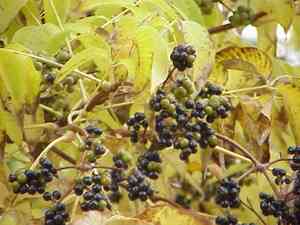
The amur Cork Tree, a deciduous species recognized for its distinctive cork-like bark and composite foliage, thrives with regular trimming to sculpt its form, eliminate deceased branches, and foster overall well-being. Conduct pruning of the amur Cork Tree during the late winter or early spring period, prior to the emergence of leaves and while the tree is in its dormant state, to reduce strain and prevent excessive sap leakage. Reducing the density of the crown improves both light access and air movement, which are vital for its robust development. Consistently employ sanitized, keen implements for making accurate incisions, and refrain from severe pruning, as this can compromise the tree's structural integrity.
What Are the Benefits of Pruning Amur Cork Tree?
What Are the Benefits of Pruning Amur Cork Tree?
Trimming amur Cork Tree promotes robust development by eliminating dead or diseased limbs, enhancing air movement, and increasing sun exposure. It also preserves its decorative shape, managing size and preventing excessive growth in garden settings.
What Is the Best Time for Pruning Amur Cork Tree?
What Is the Best Time for Pruning Amur Cork Tree?
Pruning amur Cork Tree in late winter or early spring is optimal since the plant is still inactive, which minimizes stress and the risk of disease entering through cut areas. This timing precedes the new growth surge observed in spring, allowing the tree to recover quickly and direct energy into new, healthy development. The absence of leaves also offers a clear view of the tree's structure, facilitating more effective pruning. Furthermore, pruning before spring's arrival avoids interfering with flowering and fruiting cycles that typically occur later in the season.
What Tools Do I Need to Prune Amur Cork Tree?
Hand Pruners
Hand pruners, also known as secateurs, are crucial for making clean cuts on branches up to 3/4 inch thick. Amur Cork Tree may require regular shaping and the removal of small branches or suckers, for which hand pruners are well-suited.
Loppers
Loppers are designed for branches typically 1 1/2 to 2 inches in diameter, which matches the size of mature branches of amur Cork Tree. They provide the necessary leverage for clean cuts without straining the gardener's hands.
Pruning Saw
For branches thicker than 2 inches, a pruning saw is essential. Amur Cork Tree may have larger limbs that need removal for shaping or health, and a saw ensures these can be cut without tearing or causing undue harm to the tree.
Pole Pruner
To reach the higher branches of amur Cork Tree without using a ladder, pole pruners, which can be manual or powered, offer extended reach and can handle branches of varying thicknesses depending on the model.
How to Prune Amur Cork Tree
Clean tools
Sanitize pruning tools using a solution of one part bleach to nine parts water to prevent the spread of pathogens.
Inspect
Examine amur Cork Tree thoroughly to identify dead or diseased branches, which may appear dry, brittle, discolored, or show visible signs of fungal growth.
Cut diseased
Remove diseased branches by cutting them off at the base or at an intersection with a healthy branch, ensuring a 45-degree angle cut to promote water runoff and healing. Dispose of these carefully to avoid contaminating other plants.
Prune dead
Remove dead branches from amur Cork Tree by cutting at the point where they meet healthy tissue, which promotes proper healing and prevents decay from spreading to live branches.
Clean up
Clear away all pruned material by collecting and disposing of all cut branches, especially those that were diseased, to reduce the risk of pests and further disease.
Common Pruning Mistakes with Amur Cork Tree
Over-pruning
Removing too much foliage from amur Cork Tree can weaken the tree and reduce its vitality. It is crucial to limit pruning to no more than 20-25% of the total canopy to avoid undue stress on the tree.
Flush cutting
Making flush cuts against the trunk can damage the branch collar, leading to poor healing and increased susceptibility to pests and diseases. Instead, cuts should be made just outside the branch collar.
Torn bark
Improper cut placement or technique can result in torn bark, which can expose amur Cork Tree to infections. Clean, sharp cuts are essential for the health of the tree.
Neglecting deadwood
Failing to remove dead or diseased branches can compromise the overall health of amur Cork Tree. Regularly inspect and safely remove these branches to maintain a healthy tree.
Improper tool use
Using dull or unsanitary pruning tools can damage branches and open pathways for disease. Keep tools sharp and clean them between uses to prevent the spread of diseases.
Stripping
Avoid stripping or tearing small shoots and branches off amur Cork Tree, as this can cause unnecessary wounds and provide entry points for pathogens.
Common Pruning Tips for Amur Cork Tree
Selective thinning
Focus on selective thinning of amur Cork Tree to maintain its natural form. Remove interior branches that are crossing or rubbing against each other to improve air circulation and light exposure.
Cut placement
When cutting, ensure to make angled cuts that slope downwards away from the bud. This encourages proper water runoff and prevents rotting.
Healing
Understand that amur Cork Tree has the natural ability to heal from cuts. Avoid using wound paint or sealant, as these can inhibit the natural healing process and trap moisture.
Structural pruning
Prioritize structural pruning for young amur Cork Tree to develop a strong, balanced framework which can prevent issues with overextension and breakage in the future.
Rejuvenation
If amur Cork Tree is overgrown or has not been pruned in several seasons, a more aggressive rejuvenation pruning may be needed. Proceed with caution and plan cuts over a few seasons, if possible, to reduce shock.
Cleanliness
Clean up all pruning debris from around the base of amur Cork Tree to reduce the likelihood of pest infestations and fungal diseases.



