How to Prune Aphrodite's phalaenopsis?
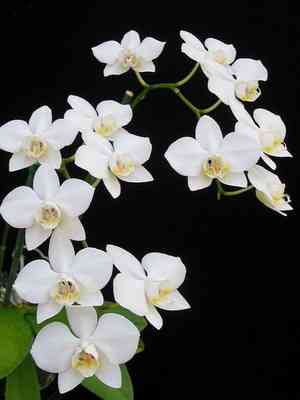
Recognized for its butterfly-like blossoms, aphrodite's phalaenopsis flourishes with appropriate trimming. Eliminate discolored foliage and faded blooms to encourage subsequent flowering. Sever aerial roots solely if they exhibit damage. Perform pruning after the flowering period concludes; aphrodite's phalaenopsis withstands year-round trimming. Consistent pruning enhances well-being and assists in warding off ailments, guaranteeing a lively presentation. Perfect for cultivators who prioritize decorative beauty and robustness in their flora.
What Are the Benefits of Pruning Aphrodite's Phalaenopsis?
What Are the Benefits of Pruning Aphrodite's Phalaenopsis?
Trimming aphrodite's phalaenopsis encourages fresh development, resulting in more blossoms. It aids in maintaining a compact shape, crucial for aesthetic appeal and managing space. Eliminating dead or damaged foliage also promotes more robust growth and plant vitality.
What Is the Best Time for Pruning Aphrodite's Phalaenopsis?
What Is the Best Time for Pruning Aphrodite's Phalaenopsis?
Pruning aphrodite's phalaenopsis throughout the year is advantageous since this plant does not follow a strict seasonal growth pattern like some temperate zone plants. The removal of spent flowers and damaged or yellowing leaves can be performed at any time and is vital for fostering plant health and vigor. Post-bloom pruning is especially beneficial because it stimulates the growth of new flowering spikes for future blooms. This timing also ensures that resources are not wasted on sustaining spent flower spikes and can instead be redirected towards new growth. Trimming during this period helps maintain an aesthetically pleasing form and can lead to more abundant flowering in the plant's natural blooming cycle, which typically occurs with greater frequency under proper care.
What Tools Do I Need to Prune Aphrodite's Phalaenopsis?
Sharp Scissors or Snips
For aphrodite's phalaenopsis, sharp scissors or snips are perfect for precise cuts, enabling gardeners to trim away spent flower spikes and remove dead or yellowing leaves without harming the delicate tissues of the healthy plant parts.
Sterilizing Agent (e.g. Isopropyl Alcohol or Bleach solution)
Sterilization is essential when pruning aphrodite's phalaenopsis to prevent disease transmission. Before and after each use, a sterilizing agent should be employed to clean the pruning tools.
Tweezers
Aphrodite's phalaenopsis may require the removal of dead or dying blooms or to carefully detach any dried sheaths from the stem without causing harm to the plant. Tweezers can be utilized for these meticulous tasks.
Cotton Pads or Cloth
These are used in conjunction with the sterilizing agent to clean the blades of the pruning tools. Ensuring that debris and pathogens are not transferred to aphrodite's phalaenopsis during the pruning process.
Gloves
While not a tool for the cutting process itself, gloves protect the gardener's hands and also prevent the transfer of oils and potential pathogens to aphrodite's phalaenopsis.
How to Prune Aphrodite's Phalaenopsis
Step1: Sterilize Pruning Tools
Sterilize your cutting tools before you begin pruning aphrodite's phalaenopsis to prevent the spread of disease. You can do this by wiping the blades with rubbing alcohol or by using a flame to heat the blades until they are hot to the touch.
Step2: Identify Dead Blooms
Identify dead flowers on aphrodite's phalaenopsis that need to be removed. Look for blooms that are brown, wilted, or dried out.
Step3: Clip Dead Flowers
Prune dead flowers by clipping the flower spike above the second node (a small triangular shaped protrusion on the stem) below the lowest flower. This can stimulate a secondary flush of blooms if the plant is healthy and environmental conditions are favorable.
Step4: Spot Yellow Leaves
Look for yellow leaves which are typically a sign of age or stress. Normal aging yellow leaves will appear at the base of aphrodite's phalaenopsis. Yellow leaves due to other reasons should be scrutinized for potential issues like root rot or disease.
Step5: Prune Yellow Leaves
Prune yellow leaves by snipping them off close to the base of the plant. Use sharp scissors or pruning shears and ensure the cut is clean to avoid damaging aphrodite's phalaenopsis.
Step6: Remove Wilted Leaves
Remove wilted leaves that may be due to overwatering, lack of nutrients, or pests. These leaves typically appear limp and dehydrated.
Step7: Trim Wilted Leaves Base
Trim wilted leaves at their base, as close to the main body of aphrodite's phalaenopsis as possible without damaging healthy tissue.
Step8: Inspect for Pests/Disease
Inspect the trimmed areas for any signs of pests or disease after pruning and treat aphrodite's phalaenopsis accordingly.
Step9: Dispose of Pruning Debris
Clean up all debris from the pruning process around aphrodite's phalaenopsis to prevent pests and disease.
Step10: Water Plant Post-Pruning
After pruning aphrodite's phalaenopsis, water the plant as usual, avoiding overhead watering which can lead to disease in open cuts. Use tepid water and allow the potting mix to dry slightly between waterings.
Step11: Monitor New Growth
Monitor aphrodite's phalaenopsis for new growth and health issues following pruning. Proper care after pruning includes maintaining high humidity, providing moderate temperatures, and ensuring bright, indirect light.
Step12: Post-Pruning Fertilization Delay
Refrain from fertilizing aphrodite's phalaenopsis immediately following pruning. Wait until active growth resumes and then fertilize sparingly with a balanced, water-soluble fertilizer diluted to half-strength.
Post-Pruning Care for Aphrodite's Phalaenopsis
Post-Pruning Care for Aphrodite's Phalaenopsis
Immediately after pruning aphrodite's phalaenopsis, ensure the cuts are clean to prevent infection. Maintain a high humidity level of 50-70% and a temperature range between 65-80°F. Provide bright, indirect light, avoiding direct sunlight that may scorch the leaves. Begin fertilization with a balanced 20-20-20 orchid fertilizer at half-strength once new growth appears. Monitor aphrodite's phalaenopsis for wilting, discoloration, or lesions as signs of stress or disease, and isolate any affected plants to treat promptly.
Common Pruning Mistakes with Aphrodite's Phalaenopsis
Over-pruning Harms Plants
Pruning too much can stress aphrodite's phalaenopsis, leading to fewer blooms or even plant death. It is important to only remove certain parts of the plant.
Avoid Cutting Healthy Stems Post-Blooming
Cutting healthy stems instead of just the flower spikes after blooming can inhibit aphrodite's phalaenopsis's potential for future flowering.
Damage from Dull or Dirty Tools
Using dull or dirty pruning tools can cause damage to aphrodite's phalaenopsis's tissue, increasing susceptibility to disease.
Common Pruning Tips for Aphrodite's Phalaenopsis
Prune Spent Flower Spikes for Rebloom
Focus on removing spent flower spikes to stimulate aphrodite's phalaenopsis's reblooming. Trim these spikes above a node using sharp, clean tools.
Remove Dead Spikes to Base for Cleanliness
When a spike is entirely done and turns yellow or brown, it can be cut back to the base to clean up aphrodite's phalaenopsis's appearance.
Detach Yellowed or Damaged Leaves Gently
While not typically necessary, if leaves are yellowed or damaged, they can be gently pulled off at the base where they naturally detach from aphrodite's phalaenopsis.



