How to Prune Moth orchid?
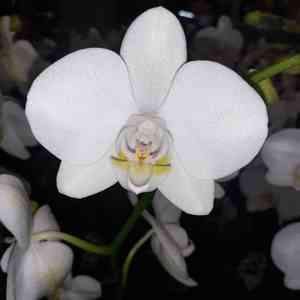
Celebrated for its impressive, butterfly-shaped blossoms, the moth orchid flourishes with judicious yet infrequent trimming. Sever faded flower stalks at their origin to encourage subsequent flowering. Snip off any discolored or impaired foliage to sustain its well-being. While pruning can occur at any point, it is most advantageous following the blooming period. Thoughtful pruning aids the moth orchid by fostering a vigorous growth pattern and averting ailments, thereby safeguarding its decorative charm.
What Are the Benefits of Pruning Moth Orchid?
What Are the Benefits of Pruning Moth Orchid?
Trimming moth orchid promotes reblooming, channels energy into robust growth, and maintains a compact, attractive shape. Strategic cuts can deter pests and diseases, ensuring moth orchid flourishes and produces vibrant flowers.
What Is the Best Time for Pruning Moth Orchid?
What Is the Best Time for Pruning Moth Orchid?
These periods are ideal for trimming moth orchid for several reasons. Primarily, after its blooming cycle, moth orchid enters a less active growth phase, making it an opportune moment to prune without causing stress. This timeframe allows the gardener to remove spent flower spikes, which can encourage a second bloom and redirect the plant's energy toward new growth and leaf development. Pruning in spring or early summer provides moth orchid ample time to recover and establish new growth before the reduced light levels of autumn and winter. Furthermore, any cuts made heal more quickly during this period due to moderate growth, minimizing infection risk. It's crucial to avoid pruning during active blooming as it can harm flowers and potentially hinder new bud formation.
What Tools Do I Need to Prune Moth Orchid?
Sterilized Scissors or Shears
To prevent disease transmission when pruning moth orchid, utilize scissors or shears disinfected with alcohol or a 10% bleach solution. This is vital as moth orchid are vulnerable to infections at cut sites.
Tweezers
For removing dead or dying blooms and to facilitate the precise removal of any diseased or dead tissue without harming healthy parts. Moth orchid possesses a delicate structure, making tweezers an ideal tool for detailed tasks.
Cutting Blade
A sharp blade might be necessary for more precise cuts or when dividing the plant for propagation. The blade should be as clean and sharp as the scissors/shears to prevent damage to moth orchid's tissues.
Gloves
Wearing gloves is advisable to protect moth orchid from any oils or residues on hands that could harm the plant. It also safeguards your hands from potential irritants and ensures a better grip on pruning tools.
How to Prune Moth Orchid
Step1: Health Assessment and Pruning Necessity
Evaluate moth orchid's overall health and determine if pruning is required, particularly focusing on old flowers and spent spikes, which are common targets for trimming on this species.
Step2: Preparation of Sterile Pruning Equipment
Gather disinfected pruning tools such as scissors or secateurs to prevent the spread of disease to moth orchid.
Step3: Identification of Old Flowers and Spent Spikes
Locate old flowers and spent spikes on moth orchid. Old flowers are withered and discolored, while spent spikes are flower stems that no longer bear blooms or have turned brown.
Step4: Trimming Wilted Blooms from \_COMMON\_NAME\_
To trim old flowers from moth orchid, use the sterilized scissors to snip the flower just above the node beneath the wilted bloom.
Step5: Removal of Spent Spikes Above Healthy Node
When removing a spent spike from moth orchid, find the closest healthy node (a small triangular protrusion on the stem) below the dead or dying sections.
Step6: Clean Cutting to Encourage Secondary Spikes
Make a clean cut just above this healthy node on the spike, ensuring you do not harm any other part of moth orchid. This could promote a secondary spike, where more flowers might emerge.
Step7: Spent Spike Basal Removal for Plant Health
If the entire spike is brown and no healthy green tissue is visible, it may be better for moth orchid's health to cut the spike at its base, near the leaves but being careful not to cut into the leaves or the main stem.
Step8: Disposal of Pruned Plant Debris
Discard the removed plant material away from living plants to prevent any potential disease transmission.
Step9: Post-Pruning Tool Sanitization
After pruning, thoroughly clean the tools to remove any sap or plant tissue from moth orchid, which could harbor pathogens.
Step10: Monitoring \_COMMON\_NAME\_ for Post-Pruning Health
Observe moth orchid over the subsequent weeks for signs of stress or disease and for the potential emergence of new spikes or blooms.
Post-Pruning Care for Moth Orchid
Post-Pruning Care for Moth Orchid
Immediately after trimming moth orchid, ensure cuts are clean to prevent infection. Maintain optimal environmental conditions: bright, indirect light, 40-70% humidity, and temperatures between 65-80°F. Slightly increase watering to aid recovery, but avoid waterlogging. Apply a balanced fertilizer quarterly to encourage growth. Regularly check for signs of stress, such as wilted leaves or rot, and isolate affected areas with proper hygiene if infections are detected. Adjust care promptly as needed.
Common Pruning Mistakes with Moth Orchid
Premature Pruning of Healthy Blooms
Trimming healthy blooms or spikes that could still produce flowers, which can lead to reduced flowering.
Over-Pruning Flower Spikes
Cutting back the spike too far, which might damage nodes capable of generating secondary spikes or keikis (baby plants).
Using Dull or Contaminated Tools
Employing dull or unsterilized cutting tools, resulting in jagged cuts that can harm moth orchid and introduce disease.
Pruning Under Stress Conditions
Trimming when moth orchid is stressed, such as when it is dehydrated, overwatered, or suffering from pest infestation or disease.
Excessive Foliage Removal
Removing too much foliage, which can weaken moth orchid as it relies on leaves for photosynthesis.
Common Pruning Tips for Moth Orchid
Sterilized, Sharp Pruning Tools
Utilize a sharp, sterilized pair of scissors or pruning shears to ensure clean cuts and prevent disease spread.
Prune Above Second Node Post-Blooming
Trim the flower spike above the second node from the bottom after the flowers have faded, which can encourage the development of a secondary spike.
Remove Dry Spikes to Base to Reallocate Energy
If the flower spike is completely brown and dry, it can be cut back to the base to redirect energy back into moth orchid's overall growth and the development of new leaves and roots.
Prune Only When Plant is Healthy
Check moth orchid's overall health and ensure it is well-hydrated and free of pests and diseases before pruning.
Conservative Leaf Pruning
Be conservative when trimming leaves; only remove those that are yellow, damaged, or diseased, and do so by cutting close to the base without harming the healthy parts.



