How to Prune Blue curls?
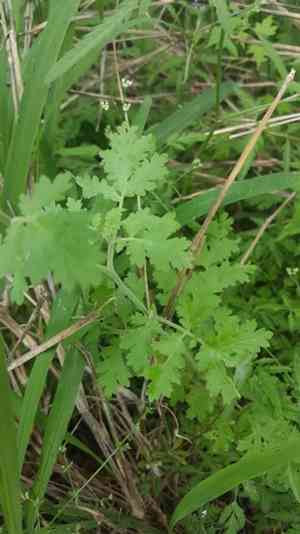
Originating from the Texas hill country, blue curls displays impressive blue-violet blossoms on spiraled inflorescences. Trim to preserve its structure by removing faded blooms, fostering denser development and extended flowering. Optimal pruning occurs in spring to eliminate stems damaged by winter; minor shaping in summer and autumn can improve its look and vitality. Refrain from severe cutting to retain its inherent shape. Strategic pruning guarantees robust growth and an abundance of flowers, which benefits pollinators.
What Are the Benefits of Pruning Blue Curls?
What Are the Benefits of Pruning Blue Curls?
Trimming blue curls encourages strong development by eliminating dead or overly dense stems, enhancing air movement and light exposure. Strategic cuts help preserve the plant's desired form and foster a healthier, more vigorous structure.
What Is the Best Time for Pruning Blue Curls?
What Is the Best Time for Pruning Blue Curls?
Pruning blue curls in Late Spring allows for the removal of faded blooms and promotes additional flowering throughout the growing period. Early Fall trimming is ideal to prepare blue curls for dormancy by taking off dead or diseased growth, improving overall plant health, and preventing any disease spread in the winter. Avoid summer pruning, as it can stress blue curls during the peak heat. These recommended seasons ensure the least disruption to the plant's growth cycle and natural flowering period.
What Tools Do I Need to Prune Blue Curls?
Hand Pruners
Blue curls needs consistent upkeep to remove spent flowers and manage its shape. Hand pruners are perfect for this job as they allow for precise cuts without harming the delicate stems.
Garden Scissors
For thinning out dense sections or deadheading blue curls, garden scissors can be utilized. They provide a clean cut and are excellent for reaching tight spots within the foliage.
Pruning Saw
If blue curls has developed woody stems or if there's a need to remove larger branches, a pruning saw is essential. This tool will help in making smooth cuts through thicker material without causing unnecessary stress to the plant.
Gloves
Wearing gloves while pruning blue curls is crucial for protection against potential skin irritants and to ensure a firm grip on the chosen tools.
How to Prune Blue Curls
Clean Tools
Before starting, ensure all pruning tools are clean and sharp. This helps prevent the spread of disease and makes cleaner cuts, which blue curls can recover from more effectively.
Remove Withered Leaves
Carefully inspect blue curls for withered leaves. Gently remove them by snapping them off with your fingers or using pruning shears if they do not come away easily. This will help direct blue curls's energy towards new growth.
Prune Damaged Stems
Examine blue curls for any damaged or dead stems. Using your shears, cut these stems back to the base or to a healthy section, ensuring you make angled cuts to prevent water accumulation which can lead to disease.
Thinning Out
Thin out dense areas if necessary to improve air circulation. Selectively remove a few stems from crowded sections by cutting them back to their point of origin. This step is essential for maintaining the health and shape of blue curls.
Cleanup
After pruning, clear away the removed foliage from the base of blue curls to discourage pests and diseases. Dispose of the debris in a compost bin or via yard waste collection to keep the area tidy.
Common Pruning Mistakes with Blue Curls
Over-Pruning
Removing too much foliage from blue curls can weaken the plant and reduce its flowering potential. Ideally, only light pruning is necessary to shape the plant or remove dead and damaged stems.
Cutting Into Old Wood
With blue curls, pruning back into old, woody stems may not yield new growth, as these generally do not sprout well from old wood. Focus on cutting back newer, green growth.
Incorrect Cuts
Making cuts that are too blunt or at improper angles can damage blue curls and make it more susceptible to diseases. Each cut should be clean and made just above a leaf node or bud.
Common Pruning Tips for Blue Curls
Selective Thinning
For blue curls, itâs important to thin out crowded areas to improve air circulation and light penetration, which can help prevent disease and encourage more robust blooms.
Deadheading
Regularly removing spent flowers of blue curls can stimulate the plant to produce more blooms, extending the flowering season and keeping the plant looking tidy.
Shape Maintenance
When pruning blue curls, aim to retain its natural shape. Lightly trim any wayward stems to maintain an appealing aesthetic without dramatically altering the plantâs structure.
Tool Sanitation
Always use sanitized pruning tools on blue curls to prevent the spread of disease. Clean cuts made with sharp, clean tools will heal faster and reduce stress on the plant.



