How to Prune Parsley?
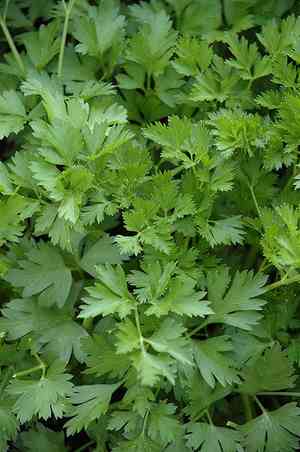
This fragrant cooking herb thrives with consistent snipping to encourage dense development. For parsley, gently remove the ends of fresh shoots and eliminate any flower stems to channel vitality into the foliage. The ideal period for pruning spans from early spring to late summer, making sure to cut above leaf nodes for the emergence of new limbs. Trimming fosters regrowth, prolongs the harvest duration, and preserves the plant's form. Refrain from excessive pruning to prevent stressing parsley.
What Are the Benefits of Pruning Parsley?
What Are the Benefits of Pruning Parsley?
Trimming parsley promotes robust development and maintains its form. By carefully cutting back, parsley channels energy into producing abundant, vibrant foliage, crucial for culinary purposes. Consistent pruning prevents excessive growth, ensuring parsley remains visually appealing and manageable.
What Is the Best Time for Pruning Parsley?
What Is the Best Time for Pruning Parsley?
Early spring is optimal for trimming parsley as it coincides with the start of its growth cycle, allowing gardeners to shape the plant and remove any dead or winter-damaged leaves before new growth emerges. This timing ensures the plant's energy is directed towards producing fresh, healthy foliage. Pruning in late summer helps maintain the plant's shape and encourages a final burst of growth before the season ends. It's crucial to avoid pruning parsley in the fall, as this can stimulate new growth that may not survive cold winter temperatures. Pruning during these recommended periods optimizes plant health and productivity, while also enabling gardeners to harvest leaves throughout the growing season.
What Tools Do I Need to Prune Parsley?
Sharp Scissors or Kitchen Shears
For parsley, these common household implements are ideal for snipping individual leaves or stems. Since parsley is an herb with tender foliage, these provide precise cuts that encourage healthy regrowth.
Pruning Shears
Though often suited for woodier plants, a lightweight pair of pruning shears can be utilized for parsley when harvesting larger quantities or if denser growth requires thinning. Just ensure they are clean to prevent disease transmission.
Garden Knife
A garden knife can be useful for parsley's harvest. It's excellent for cutting through thicker stems if necessary and can be employed to divide plants during propagation.
Fingertips
Sometimes the simplest instruments are best; using fingertips to pinch off parsley leaves can control the plant's shape and foster bushier growth. This is a gentle method that avoids unnecessary harm.
How to Prune Parsley
Step1: Identifying Plant Debris
Locate dead or discolored leaves and withered shoots on parsley. These plant parts may appear brown, yellow, or shriveled, indicating they no longer benefit the plant's development.
Step2: Tool Sterilization
Sanitize your pruning shears or scissors before beginning the trimming process. It's important to sterilize your tools to prevent the spread of disease among your plants. Wipe the blades with alcohol or a disinfectant.
Step3: Cutting Dead Leaves at Base
Grasp each dead leaf at its base near its attachment point to the main stem of parsley. With your shears, cleanly cut the leaf as close to the stem as possible without harming the healthy part of the plant. Ensure the cut is sharp to facilitate rapid healing.
Step4: Locating Wilted Shoots
Find wilted shoots on parsley, which might be caused by overwatering, illness, or natural life cycle processes. Identify the point of attachment to the main stem or just above a growth node or a healthy set of leaves.
Step5: Angled Shoot Removal
Using the sterilized shears, make an angled cut on the wilted shoot to remove it. The angle helps shed water away from the cut, reducing the likelihood of disease. Be sure to leave a small stub to prevent damage to the growth nodes that will produce new shoots.
Step6: Disposal of Pruned Parts
After trimming the dead leaves and wilted shoots of parsley, collect and discard the pruned parts properly. Dispose of them away from your garden area to prevent any potential disease from spreading.
Step7: Post-Pruning Watering
Water parsley sufficiently after pruning, as the plant may require rehydration. However, avoid overwatering as this could lead to more wilted shoots in the future.
Step8: Pruning Shears Maintenance
Clean your pruning shears or scissors thoroughly after completing the task. Apply oil to the blades to prevent rust. This will keep them sharp and in good condition for future pruning.
Step9: Monitor for Regrowth
Observe parsley for new growth, and repeat the pruning process when you identify dead leaves or wilted shoots again. Regular trimming will encourage bushier growth and contribute to a healthy and productive plant.
Post-Pruning Care for Parsley
Post-Pruning Care for Parsley
After trimming parsley, promptly water the soil to aid its recovery. Ensure parsley receives adequate indirect sunlight and maintain ambient temperatures between 70-85°F for optimal growth. Humidity around parsley should be moderate. Post-pruning, apply a balanced, diluted liquid fertilizer to support new growth. Regularly inspect parsley for wilting or yellowing leaves that may indicate stress or disease. If such signs appear, adjust care conditions and consult a plant health specialist if needed.
Common Pruning Mistakes with Parsley
Over-Pruning Harms Plant Recovery and Growth
Trimming too much of the plant at once, which can stress parsley and impede its ability to recover and continue growing.
Woody Base Cutting Can Damage Plant and Invite Disease
Cutting into the woody base of the plant instead of focusing on the soft, leafy sections, which can harm parsley and potentially lead to diseases.
Dull or Dirty Tools Harm Plants and Increase Disease Risk
Using dull or unclean pruning tools, which can create jagged cuts that are more vulnerable to pests and diseases, and can damage parsley.
Removing Healthy Leaves Reduces Photosynthesis and Vigor
Removing healthy leaves instead of only the yellowing or dead growth, diminishing parsley's photosynthesis capacity and overall vitality.
Common Pruning Tips for Parsley
Clean, Sharp Cuts Aid Quick Healing and Disease Prevention
Utilize sharp, clean scissors or pruning shears to make precise cuts, which will help parsley heal more rapidly and lessen the chances of disease.
Selective Pruning Preserves Inner Growth and Plant Health
Trim selectively, targeting only the outermost or older leaves of parsley, and ensuring to leave the inner sections of the plant to develop.
Removing Dead Leaves Encourages Growth and Maintains Health
Regularly remove yellowed or dead leaves to stimulate new growth and maintain the health and appearance of parsley.
Pinching Plant Tips Promotes Bushier and Healthier Growth
Pinch off the tips of parsley to encourage bushier growth and prevent the plant from becoming leggy.



