How to Prune Avocado?
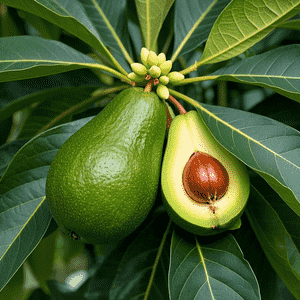
The avocado, a subtropical fruit tree, is recognized by its thick leaves and ovate fruit. Essential trimming methods involve reducing superfluous branches to improve light exposure and airflow, eliminating deceased or ailing wood, and forming the crown for structural integrity. The most effective time for pruning is from early to late spring to encourage robust development and fruit yield. Consistent trimming preserves tree vitality, boosts production, and facilitates simpler harvesting. Refrain from making extensive cuts to avert sun damage to branches.
What Are the Benefits of Pruning Avocado?
What Are the Benefits of Pruning Avocado?
Trimming avocado encourages more productive yields, fosters vigorous development, and preserves its desired form, which is vital for its optimal growth and output.
What Is the Best Time for Pruning Avocado?
What Is the Best Time for Pruning Avocado?
Trimming avocado from early to late spring coincides with the period just before new growth begins, allowing the plant to recover from cuts without negatively affecting its growth cycle. This timing also avoids colder temperatures that can harm new growth and occurs before the plant invests significant energy in flowering and fruiting. Pruning in the recommended season helps maintain avocado's health by removing dead or weak branches, improving light penetration, and enhancing air circulation, thereby promoting a strong structure and better yields.
What Tools Do I Need to Prune Avocado?
Hand Pruners
For smaller branches and precise cuts, hand pruners or secateurs are effective. Given avocado's relatively soft wood and the need for clean cuts to prevent disease, a sharp bypass pruner is ideal.
Lopping Shears
For branches too thick for hand pruners, typically up to 1.5 inches in diameter, lopping shears provide the necessary leverage. They are crucial for avocado as they mature.
Pruning Saw
Occasionally, avocado may have larger branches that need removal. In such instances, a pruning saw with a curved blade can facilitate cutting without harming the tree.
Pole Pruner
Avocado can grow quite tall, making it challenging to reach higher branches. A pole pruner with a bypass cutting head is useful for trimming these branches from the ground.
Hedge Shears
If minor shaping of avocado is required, especially for young trees or avocado hedges, hedge shears can be used to even out the canopy.
Safety Gear
When trimming avocado, protective gloves, safety glasses, and long sleeves are advised to shield skin from scratches and eyes from flying debris.
How to Prune Avocado
Step1: Tool Selection and Sterilization
Choose the appropriate tools for trimming avocado. Use clean, sharp pruning shears for small branches, and loppers or a pruning saw for larger limbs. Disinfect tools with a 10% bleach solution or rubbing alcohol to prevent disease transmission.
Step2: Identification of Dead Branches
Identify dead branches on avocado by looking for limbs that show no signs of green growth, are brittle, and may be a different color than living wood. These branches will typically not bend and will break easily.
Step3: Pruning of Dead Branches
Trim dead branches at their base where they meet healthy wood. Make cuts just outside the branch collar, the slightly swollen area of stem tissue that forms at the branch's base, to encourage proper healing.
Step4: Detection of Diseased Wood
Locate diseased wood on avocado by looking for discoloration, cankers, or physical abnormalities. Check for any branches showing signs of fungal infection or other ailments.
Step5: Removal of Diseased Wood
Cut away diseased wood until only healthy tissue remains. Remove entire branches if necessary, cutting back to a main branch or trunk, following the same guidelines as for dead branches.
Step6: Identification of Weak Stems
Assess avocado for weak stems, which are often thinner, may droop, or fail to produce fruit. Weak stems can result from poor lighting, nutrient imbalances, or damage.
Step7: Pruning of Weak Stems
Trim weak stems to redirect energy to stronger, more productive parts of avocado. Make cuts at a 45-degree angle just above a node or bud facing the outside of the plant to encourage outward growth.
Step8: Thinning for Light and Air Flow
Thin out excessive vegetative growth to increase light penetration and air circulation within avocado's canopy. Look for areas with a high density of new growth or overlapping branches.
Step9: Selective Canopy Pruning
Trim these areas selectively, aiming to remove no more than one-third of the total canopy in a year. Focus on inward-growing branches, as well as any that cross or rub against others.
Step10: Clean-Up of Pruning Debris
After trimming, clear all trimmings from around avocado to reduce the risk of disease and pest issues. Dispose of any diseased material properly, away from the pruning site.
Step11: Post-Pruning Watering and Fertilizing
Water avocado deeply after trimming to support recovery, and apply a balanced fertilizer if pruning is done during the growing season to provide nutrients for new growth.
Step12: Monitoring Plant Health Post-Pruning
Monitor avocado after trimming for signs of stress, disease, or regrowth. Additional light pruning can be done throughout the growing season to maintain the desired shape and health of the plant.
Post-Pruning Care for Avocado
Post-Pruning Care for Avocado
After trimming avocado, water the plant thoroughly to reduce stress and aid healing. Ensure avocado has partial sun exposure and maintain ambient temperatures between 60-85°F, with high humidity. Fertilize lightly with a balanced formula to support new growth, but avoid overfeeding which can weaken avocado. Monitor the pruning sites for signs of infection or pests; treat promptly with appropriate fungicides or insecticides if needed. Regularly check the plant's overall health, adjusting care as necessary to promote robust recovery.
Common Pruning Mistakes with Avocado
Avoid Cutting Main Stem
Cutting into the main stem can harm avocado's central structure and hinder growth, as it can remove critical growth points for new branch development.
Do Not Over-Prune Foliage
Removing too much foliage at once can stress avocado, as it relies on leaves for photosynthesis and energy; excessive trimming might lead to reduced vigor and fruit production.
Use Clean, Sharp Tools for Pruning
Not using clean and sharp tools can result in jagged cuts that are vulnerable to pests and diseases, which can be detrimental to avocado's health.
Common Pruning Tips for Avocado
Sterilize Tools for Healthy Cuts
Use sharp and sterile pruning shears to make clean cuts, which will help avocado heal faster and reduce the risk of disease entry.
Shape Canopy, Maintain Natural Structure
Trim to shape the canopy and enhance air circulation; thin out dense branches but focus on maintaining the natural structure of avocado to promote healthy growth.
Remove Dead or Diseased Branches
Remove dead or diseased wood promptly to prevent the spread of any pathogens and help avocado direct its energy towards producing healthy growth and fruit.



