How to Prune Chinese silk vine?
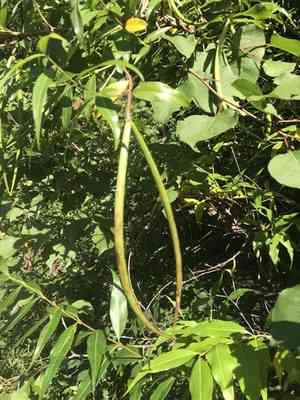
A robust climbing plant recognized for its coiling tendrils and chartreuse blossoms, chinese silk vine flourishes with appropriate trimming. To ensure peak vitality and development, conduct pruning in late winter or early spring, prior to the emergence of fresh shoots. Essential methods involve excising deceased or injured stems and reducing dense sections to improve air circulation and light exposure. Consistent pruning preserves its form and encourages abundant blooming. Always employ sanitized, keen implements to lessen strain on chinese silk vine.
What Are the Benefits of Pruning Chinese Silk Vine?
What Are the Benefits of Pruning Chinese Silk Vine?
Trimming chinese silk vine encourages robust development and helps maintain its form. Precise cuts enhance light exposure and air movement, crucial for chinese silk vine's vitality and structure. This practice limits excessive growth, ensuring chinese silk vine remains an attractive element in landscapes.
What Is the Best Time for Pruning Chinese Silk Vine?
What Is the Best Time for Pruning Chinese Silk Vine?
Pruning chinese silk vine in late winter or early spring is recommended as this timing coincides with its dormant phase before new growth begins. During this period, the plant can recover more effectively from pruning without diverting energy from budding processes. Pruning at this time aids in shaping the plant and stimulates vigorous growth and flowering in the subsequent season. Additionally, the absence of leaves makes it easier to discern the structure of chinese silk vine and to identify and remove any diseased or damaged wood. This timing also prevents cutting off emerging buds that will produce the seasonal growth and flowers. Pruning outside the suggested window can lead to sap loss, increased susceptibility to frost, and a reduction in the plant's vigor.
What Tools Do I Need to Prune Chinese Silk Vine?
Hand Pruners
For trimming chinese silk vine, hand pruners, also known as secateurs, are indispensable. They provide precise cuts for slender stems and can easily manage shoots and small branches typical of chinese silk vine's growth.
Loppers
Loppers offer leverage and are perfect for cutting thicker stems and branches of chinese silk vine that are too large for hand pruners. Their long handles allow access to difficult-to-reach areas and deliver clean cuts without harming the plant.
Pruning Saw
For the mature or woody stems of chinese silk vine that loppers cannot manage, a pruning saw is the appropriate choice. Its serrated blade enables cutting through thick branches neatly and with control.
Hedge Shears
If shaping chinese silk vine is necessary, especially for hedges or dense growth, hedge shears are suitable. They feature a straight, long blade that can help create uniformity and maintain the plant's desired form.
Gloves
Wearing gloves protects the gardener's hands from scratches and potential sap irritation while pruning chinese silk vine. This ensures both safety and comfort when handling the plant.
How to Prune Chinese Silk Vine
Identification
Carefully inspect chinese silk vine to identify diseased leaves, withered leaves, dead branches, and diseased branches for removal.
Sanitation
Use sterilized pruning shears or scissors to prevent the spread of disease. Sterilize the tools before and after use, especially when cutting away diseased parts.
Removal of leaves
Carefully trim away diseased and withered leaves at the base of their stems, ensuring not to damage healthy parts of chinese silk vine.
Removal of branches
Cut dead and diseased branches back to the nearest healthy wood, using clean cuts that angle away from the bud to promote healing and prevent water accumulation.
Cleanup
Clean up all debris from the pruning process to prevent the spread of disease and pests. Properly dispose of the removed parts, especially the diseased ones.
Common Pruning Mistakes with Chinese Silk Vine
Overpruning
Removing too much growth at once can stress chinese silk vine, leading to reduced vigor and potential dieback.
Improper cutting
Incorrect cutting techniques, such as jagged or torn cuts, can harm chinese silk vine's stem tissue and increase susceptibility to disease.
Neglecting tool sanitization
Failing to sanitize pruning tools before use can spread pathogens to chinese silk vine.
Pruning without plan
Pruning chinese silk vine without a clear goal or plan can result in an unnatural shape or imbalanced growth.
Ignoring dead material
Not removing dead or diseased wood can hinder chinese silk vine's health and appearance.
Common Pruning Tips for Chinese Silk Vine
Sharp tools
Use sharp, clean pruning shears to make clean cuts on chinese silk vine, promoting better healing.
Selective cutting
Focus on selective cutting of chinese silk vine to shape the plant and maintain its natural form while controlling size.
Thin out
Thin out dense growth in chinese silk vine to improve air circulation and light penetration, encouraging healthy development.
Maintenance prune
Perform regular maintenance pruning on chinese silk vine to remove weak, crossing, or damaged branches, ensuring robust growth.
Follow structure
Prune chinese silk vine by following its natural growth patterns to promote strong structural integrity and enhance its aesthetic appeal.



