How to Prune Peperomia polybotrya?
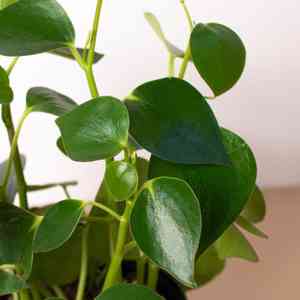
Featuring foliage shaped like raindrops, coin leaf peperomia is valued for its decorative appearance. Trim to preserve its form and foster denser development by nipping the ends of the stems, particularly during its active phases from spring to autumn. Detach any yellowed or compromised leaves from the plant's base. Always employ sanitized, sharp implements to avert illness. Trimming not only encourages a condensed structure but also boosts the plant's vitality and can prompt the emergence of fresh, sturdy leaf development.
Advantages of Trimming Coin Leaf Peperomia
Advantages of Trimming Coin Leaf Peperomia
Trimming coin leaf peperomia promotes robust development by eliminating dead or elongated stems, encouraging fresh, vibrant foliage. Strategic cuts help maintain its compact shape and prevent excessive growth, preserving its visual appeal.
Optimal Time for Pruning Coin Leaf Peperomia
Optimal Time for Pruning Coin Leaf Peperomia
The best time to prune coin leaf peperomia is during Spring and Summer, coinciding with its active growth period. During this phase, coin leaf peperomia possesses elevated energy reserves and metabolic rates, aiding in quicker recovery from pruning. Removing dead or overgrown foliage in Spring stimulates vigorous new growth, ensuring the plant retains an attractive form and size. Additionally, trimming in Summer can help manage any leggy growth resulting from the plant's efforts to maximize light absorption. It is crucial to avoid pruning in the Fall, as the plant should be preparing for dormancy and not expending energy on healing pruning wounds. Pruning during the plant's growth cycle also minimizes stress on coin leaf peperomia, supporting overall health and preventing opportunistic infections that can occur in open wounds during dormancy or slower growth periods.
Essential Tools for Pruning Coin Leaf Peperomia
Clean, sharp scissors or snips
For coin leaf peperomia, which has delicate foliage, it's important to use precision tools that make clean cuts without tearing the plant tissues, which can lead to disease entry points.
Micro-tip pruning shears
Ideal for coin leaf peperomia because they allow for precise control when trimming back small or overcrowded leaves, helping to maintain the plant's shape without causing damage to adjacent stems
Disinfectant (such as alcohol wipes or bleach solution)
Sterilizing the pruning tools before and after use reduces the risk of spreading pathogens to coin leaf peperomia or between plants. Clean cuts heal faster and are less susceptible to infections.
Gloves
Protecting the hands while pruning coin leaf peperomia helps to maintain hygiene and prevent any potential skin irritation from repeated contact with the plant or disinfectants.
How to Prune Coin Leaf Peperomia
Sanitize Tools
Before beginning the pruning process, clean and sanitize all pruning tools to prevent the spread of disease to coin leaf peperomia. Use a solution of one part bleach to nine parts water or rubbing alcohol to ensure the tools are properly sterilized.
Identify
Carefully inspect coin leaf peperomia for the parts that require trimming. Look for diseased leaves, withered leaves, dead branches, and diseased branches which are the components of the plant that should be pruned.
Trim Leaves
Using sharp and sterile scissors or pruning shears, gently trim off the diseased and withered leaves from coin leaf peperomia at the base of the petiole. Ensure a clean cut without damaging healthy parts of the plant.
Trim Branches
Identify and remove dead and diseased branches by cutting them off at the point where they meet with healthy tissue. Make sure not to leave any stubs that could harbour pests or diseases. Be cautious not to damage the main stem of coin leaf peperomia.
Cleanup
After pruning, clean up any fallen debris around coin leaf peperomia to discourage the presence of pests and diseases. Dispose of the trimmed parts properly, away from healthy plants to prevent potential spread of any disease.
Common Pruning Errors with Coin Leaf Peperomia
Excessive Pruning
Trimming too much of coin leaf peperomia in one session can shock the plant, potentially stunting its growth or leading to plant stress.
Incorrect Cut Placement
Cutting coin leaf peperomia either too close to the main stem or too far from it can either damage the node or leave a stub that risks disease.
Using Dull Tools
Utilizing dull pruning tools can cause jagged cuts that may make coin leaf peperomia susceptible to infections.
Removing Healthy Tissue
It is a mistake to remove healthy leaves and stems, as it reduces the plant's ability to photosynthesize and thrive.
Ignoring Diseased Sections
Failing to remove diseased or damaged leaves from coin leaf peperomia can allow the problem to spread throughout the plant.
Pruning Without Reason
Pruning coin leaf peperomia without a specific reason such as shaping, removing dead foliage, or promoting growth can be unnecessary and harmful.
General Pruning Advice for Coin Leaf Peperomia
Sterilize Pruning Tools
Before pruning coin leaf peperomia, always sterilize pruning tools to prevent the spread of disease.
Make Angled Cuts
Make clean, angled cuts on coin leaf peperomia to allow water to run off the cut surface, reducing the likelihood of disease.
Prune Dead Foliage
Regularly prune dead or yellowing leaves from coin leaf peperomia to direct the plant's energy towards new growth.
Cut Above Leaf Nodes
When shortening stems, cut just above a leaf node or junction on coin leaf peperomia to promote bushier growth.
Thin Crowded Areas
Thin out crowded areas of coin leaf peperomia to improve air circulation and light penetration, which helps prevent disease.
Monitor Plant Response
After pruning, monitor coin leaf peperomia's response to the pruning to guide future sessions and adjust practices accordingly.



