How to Prune Baby rubber plant?
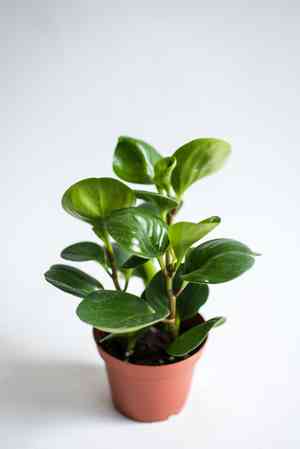
A member of the Piperaceae family, Peperomia obtusifolia is recognized for its robust, lustrous foliage and a dense, shrub-like form. Successful trimming entails eliminating discolored or injured leaves and shortening elongated stalks to foster more compact development. The optimal time for pruning extends from early spring to late autumn. Snipping the ends of the stems additionally encourages a more voluminous plant. Consistent pruning aids Peperomia obtusifolia by preserving its structure, deterring excessive growth, and elevating its aesthetic value.
What Are the Benefits of Pruning Baby Rubber Plant?
What Are the Benefits of Pruning Baby Rubber Plant?
Trimming baby rubber plant promotes robust development and helps maintain its form, ensuring a dense, strong structure. By eliminating old or overgrown leaves, the plant channels energy into developing stronger stalks and foliage.
What Is the Best Time for Pruning Baby Rubber Plant?
What Is the Best Time for Pruning Baby Rubber Plant?
Early spring is an optimal period as baby rubber plant enters its growth phase, allowing for rapid recovery and vigorous development. Pruning at this time encourages a fuller appearance and preserves the plant's desired shape. Late fall is also suitable since active growth is slowing, and careful trimming can help remove any leggy or sparse growth before winter dormancy. This timing ensures pruning doesn't hinder the plant's overall health and energy reserves, while avoiding the stress that winter pruning might cause. By following these seasons, gardeners can help baby rubber plant focus energy on healthy new growth and maintain its aesthetic appeal without compromising its vitality.
What Tools Do I Need to Prune Baby Rubber Plant?
Sterile, Sharp Scissors
Small and precise, sterile, sharp scissors are perfect for trimming baby rubber plant's delicate stems and removing any yellow or damaged leaves with clean cuts, which helps prevent disease.
Hand Pruners
Hand pruners ensure minimal damage to baby rubber plant's stems during pruning due to their sharp, precise blades. They are particularly useful when dealing with thicker stems that scissors might not easily cut through.
Soft Cloth or Paper Towel
Gently wiping the blades with a soft cloth or paper towel between cuts is crucial for baby rubber plant to avoid the transfer of any potential pathogens.
Isopropyl Alcohol
To sterilize pruning tools before and after pruning baby rubber plant, isopropyl alcohol is used to disinfect the cutting edges, eliminating the risk of spreading diseases.
Gloves
Wearing gardening gloves when pruning baby rubber plant helps protect hands from any sap or edges which may cause irritation, providing a safe gardening experience.
How to Prune Baby Rubber Plant
Step1: Inspect for Trimming
Examine baby rubber plant for areas requiring trimming, such as damaged leaves, withered stems, and old foliage. Look for leaves that are discolored, drooping, or have dry, brown edges, as well as stems that are leggy or have lost their leaves.
Step2: Sterilize Pruning Tools
Sanitize your pruning shears or scissors with rubbing alcohol or a 10% bleach solution to prevent disease transmission. Allow the tool to air dry before use.
Step3: Remove Damaged Leaves
Begin with damaged leaves. Gently hold the leaf steady with one hand and make a clean cut with your shears, cutting at the base where the leaf stem meets the main stem. Avoid tearing the leaves to prevent injury to baby rubber plant.
Step4: Prune Withered Stems
Address withered stems by identifying the point of growth that appears healthy. Make a diagonal cut just above a leaf node or a budding point. Ensure the cut is clean to promote healthy regrowth.
Step5: Cut Off Old Leaves
Remove old leaves that are no longer healthy or are affecting the aesthetic shape of baby rubber plant. Snip these off at the base where they attach to the stem, similar to the removal of damaged leaves.
Step6: Dispose of Plant Debris
After pruning, carefully dispose of the removed plant material to prevent any potential disease spread to other plants.
Step7: Shape for Balanced Structure
When shaping baby rubber plant, maintain a balanced structure by pruning more vigorously on the denser sides and less on the sparser sides. Aim to create a round, compact shape by evenly distributing the foliage.
Step8: Water After Pruning
Water baby rubber plant thoroughly after pruning to reduce stress on the plant and to assist in the recovery process. Ensure proper drainage to avoid waterlogged conditions.
Step9: Monitor Post-Pruning Recovery
Monitor baby rubber plant over the next few weeks, checking for signs of new growth and ensuring there are no signs of stress or disease following the pruning process.
Post-Pruning Care for Baby Rubber Plant
Post-Pruning Care for Baby Rubber Plant
Immediately after pruning baby rubber plant, ensure clean cuts to avoid infections. Place baby rubber plant in bright, indirect light and maintain moderate humidity and temperatures between 65-75°F. Avoid draughty areas. Water sparingly to prevent root rot as baby rubber plant will have reduced water needs. After 2-4 weeks, apply a balanced, liquid fertilizer to encourage growth. Monitor baby rubber plant for wilting or discolored leaves, indicative of stress or infection. If symptoms persist, consider isolation and fungicide application if necessary.
Common Pruning Mistakes with Baby Rubber Plant
Over-Pruning: Too much foliage removal
Over-Pruning: A common mistake is removing too much foliage at once from baby rubber plant, which can stress the plant and reduce its vigor.
Using Dull or Dirty Pruning Tools
Improper Tool Use: Utilizing dull or dirty pruning tools can result in jagged cuts and increase the risk of disease and pests.
Indiscriminate Pruning of Healthy Growth
Pruning Healthy Growth: Cutting away healthy leaves and stems indiscriminately might inhibit the natural shape and growth patterns of baby rubber plant.
Neglecting Disease Prevention While Pruning
Ignoring Disease Prevention: Failing to disinfect pruning tools between cuts, especially when removing diseased material, can spread pathogens.
Common Pruning Tips for Baby Rubber Plant
Prune with Sharp, Clean Tools
Use Sharp Tools: Make sure to prune baby rubber plant with sharp, clean shears or scissors to avoid damaging the stems and leaves, promoting quicker healing.
Remove Only Leggy or Dead Growth
Focus on Leggy or Dead Growth: Identify and remove leggy, dead, or yellowing leaves and stems to redirect energy to healthier growth and maintain a compact, bushy appearance.
Prune Just Above the Leaf Node
Cut Above the Node: When pruning baby rubber plant, make the cuts just above a leaf node to encourage new growth. Nodes are points on the stem where leaves are attached.
Disinfect Pruning Tools Regularly
Sanitize Tools: Regularly disinfect pruning tools with alcohol or a bleach solution to prevent the spread of any plant diseases.



