How to Prune Peperomia leptostachya?
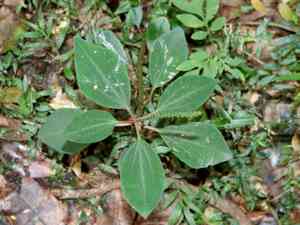
Peperomia leptostachya, recognized for its appealing leaves and contained development, benefits most from pruning in late winter or early spring. Removing deceased or elongated stalks stimulates more robust growth and vigor. Snip off any impaired or discolored foliage to preserve the plant's well-being. Consistent trimming of Peperomia leptostachya promotes a fuller specimen and can deter excessive expansion. Employ sanitized, keen instruments to avert potential diseases. Pruning during the recommended periods corresponds with the plant's inherent growth pattern for peak recuperation and development.
What Are the Benefits of Pruning Peperomia Leptostachya?
What Are the Benefits of Pruning Peperomia Leptostachya?
Peperomia leptostachya benefits from trimming by encouraging robust development and maintaining a desired form. It aids in size management, fosters healthy growth, prevents pest and disease problems, and enhances its overall look, ensuring the plant stays strong and well-shaped.
What Is the Best Time for Pruning Peperomia Leptostachya?
What Is the Best Time for Pruning Peperomia Leptostachya?
Trimming or cutting peperomia leptostachya from late winter to early spring is ideal because this period allows the plant to recover quickly as it enters a new growth cycle. Pruning at this time promotes vigorous growth and helps in shaping the plant effectively before the active growing season begins. Additionally, pruning before the onset of new growth minimizes stress and reduces the risk of infection or damage from cold weather. These seasons align with the plant's natural dormancy phase, ensuring that energy is conserved for robust development when the growth cycle recommences.
What Tools Do I Need to Prune Peperomia Leptostachya?
Pruning Shears
Excellent for removing dead or damaged foliage. Their clean cuts prevent disease and support healthy growth.
Pruning Snips
Perfect for precise cuts on smaller stems and leaves, maintaining the plant's shape and health.
Disinfectant Wipes or Solution
Crucial for sterilizing tools to prevent the spread of disease.
How to Prune Peperomia Leptostachya
Inspect
Examine peperomia leptostachya for any indications of diseased or withered leaves. Pay attention to changes in color, texture, and overall health of the foliage.
Sanitize
Clean your pruning tools with a disinfectant to prevent the spread of disease. This step is crucial to maintain the health of peperomia leptostachya.
Remove Diseased Leaves
Gently cut away any diseased leaves at their base where they meet the stem using sterilized scissors or pruning shears. Ensure to dispose of these diseased leaves away from other plants to prevent contamination.
Remove Withered Leaves
Trim off any withered leaves by snipping them off at the base. This helps to improve air circulation and overall aesthetics of peperomia leptostachya.
Check Again
Conduct a final inspection to ensure all diseased and withered leaves have been removed. Repeat the sanitization process of tools if needed before storing them.
Common Pruning Mistakes with Peperomia Leptostachya
Improper technique
Using dull or dirty tools can harm the plant by causing ragged cuts that don't heal properly. This can lead to infections or pest infestations.
Over-pruning
Removing too much foliage at once can stress peperomia leptostachya, hindering its ability to photosynthesize efficiently, which can negatively impact its overall health.
Incorrect cuts
Making cuts too close to the main stem can damage essential plant tissue, while leaving too long stubs can lead to dieback and disease entry points.
Pruning at the wrong growth stage
Pruning when the plant is actively growing can disrupt its growth rhythm and may reduce flowering or vibrant foliage.
Common Pruning Tips for Peperomia Leptostachya
Use sharp, sterile tools
Always use clean, sharp pruning shears to make clean cuts. This minimizes damage and reduces the risk of disease transmission.
Minimal pruning
Perform light pruning regularly rather than waiting to do a significant cut-back all at once. This helps maintain the plant's shape and health without inducing stress.
Cut above a leaf node
Make cuts just above a leaf node to encourage new growth in the desired direction. This promotes a fuller and more aesthetically pleasing plant.
Observe the plant's response
After pruning, monitor peperomia leptostachya for any signs of stress or disease. Adjust your pruning practices based on the plant’s reaction to ensure it remains healthy and vigorous.



