How to Prune Egyptian starcluster?
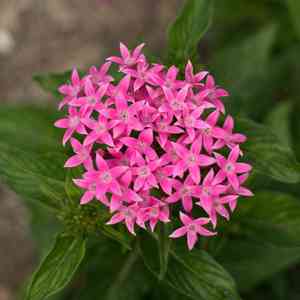
Distinguished by its vivid groupings of star-like blossoms, egyptian starcluster is a favored decorative plant. Perform minor trimming year-round to preserve its form and foster more compact development. Removing faded flowers encourages additional blooming. During periods of active development, shorten extended stems to encourage thicker foliage. As it responds favorably to pruning, sculpt it to your preference, focusing on spindly or excessively large branches. The advantages of pruning encompass heightened visual appeal, better air movement, and robust new growth, ensuring egyptian starcluster flourishes with regular attention.
Advantages of Trimming Egyptian Starcluster
Advantages of Trimming Egyptian Starcluster
Trimming egyptian starcluster promotes more abundant flowering and fosters robust development. Consistent shaping helps preserve its desired form, ensuring egyptian starcluster remains visually appealing in the garden.
Optimal Period for Pruning Egyptian Starcluster
Optimal Period for Pruning Egyptian Starcluster?
Pruning egyptian starcluster in early spring or late winter is ideal as this timing precedes the main growth phase, allowing the plant to direct its energy towards producing strong new growth and plentiful blooms during the active season. Pruning at this time minimizes plant stress and maximizes flowering potential. It also offers a chance to shape the plant and maintain a preferred size, removing any winter frost damage. Avoid extensive pruning late in the season, as this can stimulate new growth that may not harden off before colder temperatures arrive.
Necessary Tools for Pruning Egyptian Starcluster
Hand Pruners
Perfect for making neat and precise cuts on egyptian starcluster's stems. Hand pruners, especially bypass pruners, are best suited for cutting through the relatively soft, herbaceous stems of egyptian starcluster. Ergonomically designed hand pruners reduce hand fatigue during prolonged pruning sessions.
Pruning Shears
Useful for shaping egyptian starcluster and maintaining a desired form. The scissor-like action of pruning shears offers an easy way to trim and shape the plant without causing unnecessary damage to stems or nearby flowers.
Gloves
Protect hands while pruning egyptian starcluster, as any sap or residue from the plant can cause skin irritation for sensitive individuals. Gloves also provide a better grip on tools and protect against thorns or rough plant material.
How to Prune Egyptian Starcluster
Step1: Pruning Assessment
Examine egyptian starcluster for areas needing pruning, such as spent flowers and weak stems. This will help determine how much and which parts need trimming to encourage healthy growth.
Step2: Tool Sterilization
Sanitize your pruning tools with a 10% bleach solution or rubbing alcohol to prevent disease transmission.
Step3: Deadheading Spent Blooms
Start with dead flowers. Snip them off just above the first set of healthy leaves below the spent flower using sharp, clean scissors or pruners. This process, known as deadheading, encourages egyptian starcluster to produce more blooms.
Step4: Weak Stem Identification
Identify weak, leggy, or thin stems that are not contributing to the plant's shape or vigor. Weak stems often lack leaves or have only small, sparse foliage.
Step5: Weak Stem Removal
Carefully remove weak stems by cutting them at their point of origin from the main stem or base of the plant. Make the cut just above a leaf node or bud to promote healthy new growth.
Step6: Shaping and Angled Cuts
After removing dead flowers and weak stems, step back to review egyptian starcluster's overall shape. If necessary, prune additional stems to maintain a pleasing, balanced shape, cutting above a leaf node at a 45-degree angle.
Step7: Cleaning Pruned Debris
Clear pruned material from the soil around egyptian starcluster to prevent potential disease or pest issues.
Step8: Post-Pruning Plant Care
Water the plant if the soil is dry and provide a balanced, water-soluble fertilizer to support egyptian starcluster's recovery and new growth after pruning.
Step9: Growth Monitoring
Monitor egyptian starcluster for signs of new growth over the following weeks. Regular deadheading can be done throughout the blooming season to keep egyptian starcluster looking its best and to encourage more flowers.
After-Pruning Care for Egyptian Starcluster
After-Pruning Care for Egyptian Starcluster
Immediately after pruning egyptian starcluster, ensure clean cuts to prevent disease. Ideally, place egyptian starcluster in bright, indirect light; avoid direct sunlight to minimize stress. Maintain consistent humidity and a temperature range of 65-75°F. Post-pruning, wait a week before fertilizing with a balanced, water-soluble fertilizer to encourage growth. Regularly inspect pruned areas for signs of infection, such as discoloration or ooze. If signs of stress or infection appear, isolate egyptian starcluster and consult a plant health specialist for appropriate treatment.
Common Pruning Errors with Egyptian Starcluster
Excessive Pruning Can Shock Plants
Pruning too severely can shock egyptian starcluster, hindering its growth or even leading to its demise. Removing too much foliage at once is a frequent mistake.
Damaged Stems from Dull Tools
Using dull or dirty pruning tools can harm egyptian starcluster's stems and leave them susceptible to diseases and pests, impacting the plant's overall health.
Ignoring Dead or Diseased Stems
Another common error is failing to remove dead or diseased stems, which can impede new growth and allow problems to spread throughout the plant.
General Pruning Advice for Egyptian Starcluster
Angled Cuts for Branching and Blooms
Make clean, angled cuts just above leaf nodes to encourage branching and more blooms on egyptian starcluster.
Deadhead for Continuous Flowering
Regularly remove spent flowers to promote continuous blooming and prevent egyptian starcluster from investing energy into seed production.
Prune Leggy Stems for Shape and Growth
When cutting back leggy stems, prune to about one-third of the stem's length to maintain egyptian starcluster's shape and fullness, while stimulating new growth.



