How to Prune Small-flower penstemon?
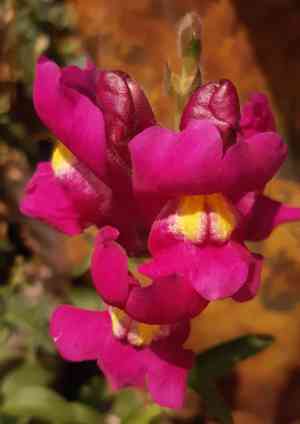
This enduring herbaceous species, recognized for its dense clusters of tubular blossoms, thrives with trimming to foster vigorous development and extended flowering. Pruning efforts should concentrate on removing faded blooms, a task that can be performed continually from spring through autumn. Cutting back aged leaves in early spring stimulates the emergence of healthy new stems. Since small-flower penstemon prefers neatly formed groupings, consistent light pruning preserves its structure and vitality, consequently boosting its aesthetic value and averting excessive density.
Advantages of Trimming Small-flower Penstemon
Advantages of Trimming Small-flower Penstemon
Trimming small-flower penstemon promotes abundant blooms, stimulates vigor, and maintains its desired shape. Regular cutting ensures peak health and visual appeal, crucial for this perennial's well-being.
Optimal Pruning Period for Small-flower Penstemon
Optimal Pruning Period for Small-flower Penstemon
Spring pruning benefits small-flower penstemon by coinciding with its active growth phase, allowing rapid healing of cuts and fostering new development. It's vital to prune after frost danger has passed to prevent harm to new growth. Fall pruning allows for the removal of spent blooms or seedheads, along with any dead or damaged growth from summer. This prepares small-flower penstemon for dormancy and encourages healthier, more robust growth the following spring. Summer pruning is generally avoided for small-flower penstemon due to heat stress, which can hinder its recovery and overall vitality.
Essential Tools for Pruning Small-flower Penstemon
Bypass Pruners
Perfect for making clean cuts on the relatively slender stems of small-flower penstemon. They minimize tissue damage, encouraging healthier regrowth.
Gardening Scissors
Useful for snipping off dead or faded flowers on small-flower penstemon, promoting a neat appearance and potentially stimulating more blooms.
Small Hand Shears
Effective for trimming and shaping small-flower penstemon's growth habit without harming surrounding foliage, allowing precise maintenance of the plant's desired form.
How to Prune Small-flower Penstemon
Clean tools
Before pruning small-flower penstemon, always begin with clean, sharp pruning scissors or shears to ensure precise cuts and prevent disease spread.
Disinfect
Sanitize your pruning tools before and after each cut when trimming diseased leaves to avoid contaminating healthy parts of small-flower penstemon.
Remove diseased
Carefully snip off any diseased leaves from small-flower penstemon at the base of the leaf stem, taking care not to harm nearby healthy foliage.
Trim withered
Cut away withered leaves and spent flowers to encourage new growth and blooming on small-flower penstemon. Make cuts near the base of the withered part, but above new leaf nodes to promote regeneration.
Maintain shape
After removing withered and diseased parts, lightly shape small-flower penstemon by trimming any irregularities, ensuring the overall form remains natural and aesthetically pleasing.
Common Pruning Errors with Small-flower Penstemon
Over pruning
Cutting back too much of small-flower penstemon can result in fewer flowers or even harm to the plant. It's crucial to prune no more than a third of the plant at a time to avoid stressing or shocking it.
Improper cut angles
Making cuts that are not at a 45-degree angle can lead to water accumulation on stems, potentially fostering mold and diseases. Always angle cuts away from nodes to ensure water runoff.
Pruning healthy growth
Removing too much healthy growth along with dead or diseased parts may hinder small-flower penstemon's overall health and vigor. Focus on removing only the non-beneficial parts of the plant's growth.
Unsterilized tools
Using unsterilized tools can introduce pathogens to fresh cuts on small-flower penstemon. It's essential to sterilize pruning tools before each use to prevent disease spread.
Tearing stems
Unclean cuts or dull tools can cause tearing of small-flower penstemon's stems. This results in unnecessary injury and may lead to disease. Always use sharp tools to ensure clean cuts.
General Pruning Advice for Small-flower Penstemon
Post-flowering pruning
Once small-flower penstemon has finished blooming, trim back spent flower stalks to the base or just above the first set of healthy leaves. This encourages the plant to direct energy towards new growth.
Cutting at nodes
When shortening stems or removing tips, make cuts just above leaf nodes, as this is where new growth will emerge. This promotes bushier growth and increased flower production.
Gradual pruning
Prune small-flower penstemon gradually over a few seasons if the plant has been neglected and become overgrown. This allows the plant to recover while slowly shaping it.
Removing dead material
Regularly remove any dead or damaged stems and foliage from small-flower penstemon to maintain air circulation and reduce disease risk. It also keeps the plant looking tidy.
Thinning out
Thin out crowded areas in small-flower penstemon to ensure proper air circulation and light penetration, which are vital for the plant's health and flowering capability.



