How to Prune Rose geranium?
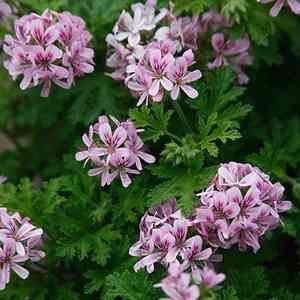
Renowned for its aromatic foliage and application in essential oils, rose geranium flourishes with consistent pruning. Essential methods involve nipping off tips to foster denser growth and excising lignified stems to stimulate new sprouts. The ideal period for pruning extends from the beginning of spring to the end of autumn, bypassing the inactive winter season. For rose geranium, trimming boosts oil yield and plant vitality, guaranteeing a dense and fruitful plant. Meticulous elimination of spent blossoms preserves aesthetic appeal and plant well-being.
What Are the Benefits of Pruning Rose Geranium?
What Are the Benefits of Pruning Rose Geranium?
Trimming rose geranium promotes robust development and maintains its desired form. Eliminating old or dead foliage fosters healthier, denser leaves, boosts flower output, and lowers disease susceptibility.
What Is the Best Time for Pruning Rose Geranium?
What Is the Best Time for Pruning Rose Geranium?
Early spring marks the start of rose geranium's growth cycle, so pruning then stimulates new growth and helps shape the plant. During summer, regular trimming can maintain its desired form and encourage a bushier habit. Pruning in late fall, before dormancy, can remove any leggy or overgrown stems, ensuring rose geranium stays healthy and ready for the next growing season. These periods are chosen to avoid stressing rose geranium during the hottest and coldest times of the year and to align with its natural growth cycle, promoting vitality and optimal blooming.
What Tools Do I Need to Prune Rose Geranium?
Hand Pruners
Rose geranium possesses a relatively delicate stem structure, necessitating tools that can make clean, precise cuts without harming the plant. Hand pruners, specifically bypass pruners, are ideal due to their curved blades that glide past each other for a clean cut. Anvil pruners are not recommended as they tend to crush stems, which can injure rose geranium and heighten its vulnerability to disease.
Pruning Shears
For maintaining rose geranium's shape and removing smaller, more accessible growth, pruning shears are excellent. They allow for quick, efficient snipping of leaves and flowers while shaping the plant. Choose a sharp, rust-proof pair with comfortable grips to ensure ease of use and prevent unnecessary strain on the plant or user.
Pruning Saw
If rose geranium has developed thicker branches that hand pruners cannot manage, a pruning saw is essential. Its serrated blade can cut through woodier material without causing jagged tears that could lead to infections.
How to Prune Rose Geranium
Step1: Identify Plant Parts Requiring Pruning
Examine rose geranium for any yellow leaves, spent flowers, and damaged stems. This will help pinpoint which parts of the plant need trimming and will encourage healthier growth and appearance.
Step2: Sterilize Pruning Tools
Utilize clean, sharp pruning shears or scissors to prevent disease spread and ensure clean cuts. Disinfect cutting tools with rubbing alcohol or a 10% bleach solution before and after pruning.
Step3: Remove Yellow Leaves at Base
Carefully detach yellow leaves by cutting them at their base where they connect to the stem. Be sure to avoid harming the main stems or adjacent leaves to prevent undue stress to rose geranium.
Step4: Prune Withered Flowers for Reblooming
Trim withered flowers to encourage rose geranium to produce more blooms. Snip the flower stalk just above the first set of healthy leaves below the spent bloom, at a 45-degree angle to allow water runoff and prevent rot.
Step5: Cut Damaged Stems to Healthy Growth
Inspect rose geranium for any damaged stems. Cut damaged stems back to a healthy section of the stem. If the damage is near the main stem's base, cut just above a leaf node or lateral branch, leaving about 1/4 inch above the node to stimulate new growth.
Step6: Shape Plant Post-Pruning
After trimming the specified parts, shape rose geranium to maintain an attractive form and size. Cut back any overgrown stems to balance the plant's shape, doing so just above a leaf node to promote new branching.
Step7: Dispose of Pruning Debris
Clear away all pruned cuttings and fallen debris to keep the plant's surroundings free from potential disease and pests.
Step8: Water Plant After Pruning
Water rose geranium thoroughly after pruning, as this aids the plant's recovery and helps it settle from the trimming process.
Step9: Monitor Plant for New Growth and Repeat Pruning
Observe rose geranium over the subsequent weeks for new growth. Regular pruning maintenance may be necessary to remove any additional yellow leaves, withered flowers, or damaged stems that emerge.
Post-Pruning Care for Rose Geranium
Post-Pruning Care for Rose Geranium
Immediately after pruning rose geranium, ensure it is placed in a spot with indirect, bright light to aid healing while preventing sunburn. Maintain moderate humidity and a temperature of 65-75°F to support recovery. Post-pruning, apply a balanced, diluted liquid fertilizer to replenish nutrients, assisting growth. Regularly check the plant for discoloration or wilting as indicators of stress. In case of infection, isolate the plant and remove affected parts with sterilized tools.
Common Pruning Mistakes with Rose Geranium
Over-Pruning and Ignoring Natural Shape
Disregarding the natural form of rose geranium, leading to excessive pruning which can stress the plant and diminish its aesthetic appeal.
Cutting Into Old, Woody Growth
Cutting into the woody, non-productive old growth where new shoots are unlikely to emerge, potentially causing harm and reducing the plant's vigor.
Poor Sanitization of Pruning Tools
Neglecting hygiene, failing to clean pruning tools, which can spread disease among rose geranium plants or introduce infections.
Improper Cuts Near Main Stem or Nodes
Making cuts too close to the main stem or leaf nodes, which may result in damage to the existing healthy growth and hinder recovery.
Excessive Leaf Removal Weaken Photosynthesis
Removing too many leaves during pruning, which can reduce photosynthesis and energy production, weakening rose geranium.
Incorrect Stem Cutting Angle Risking Disease
Snipping stems at a blunt angle, which can lead to water retention and increase the risk of disease.
Common Pruning Tips for Rose Geranium
Selective Pruning for Shape and Size Control
Prune for shape and size control by selectively removing misplaced stems, using sharp, clean shears to make precise cuts.
Encouraging Bushiness and Fresh Growth
Encourage bushiness and fresh growth in rose geranium by cutting above a leaf node, ensuring that each pruned stem has at least one node left for new growth.
Thinning for Improved Air Circulation
Improve air circulation and prevent disease by thinning out dense growth, paying special attention to crossing or inward-growing stems.
Deadheading for Robust Blooms
Promote larger, more robust blooms by deadheading spent flowers, which redirects energy to new flower production.
Proper Cutting Angles to Prevent Fungal Issues
Use proper cutting angles, making slant cuts above the nodes to minimize water accumulation and potential fungal infections.
Fertilizing After Pruning for Minimized Stress
Enhance recovery and minimize stress by applying a light fertilizer after pruning, but ensure it is balanced to avoid over-fertilization.



