How to Prune Dragon tree?
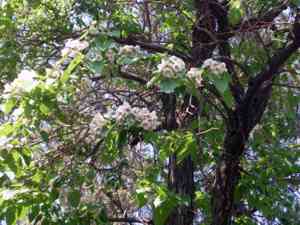
The Dragon tree is recognized for its expansive foliage and swift development. Optimal periods for trimming are early spring or late winter to stimulate fresh development. Essential methods involve eliminating deceased or compromised branches and reducing the plant to sculpt its form and manage its dimensions. Advantages of pruning the Dragon tree encompass better air circulation, greater light exposure, and boosted general well-being. Always employ sanitized, keen implements to avert illness, and factor in the plant's robust growth when devising your trimming approach.
Advantages of Trimming Dragon Tree
Advantages of Trimming Dragon Tree
Dragon tree benefits from trimming as it encourages robust development and maintains its form. Pruning helps manage its dimensions, enhances its visual appeal, and improves air movement, lowering the risk of pests and illnesses.
Optimal Period for Trimming Dragon Tree
Optimal Period for Trimming Dragon Tree
Trimming dragon tree during early spring or late winter is ideal because this plant is in a dormant state or just beginning its growth cycle. Pruning during these times minimizes stress and encourages vigorous new growth when the growing season begins. Moreover, cutting back branches before the onset of active growth helps shape the plant and supports better air circulation and sunlight penetration, thus enhancing overall health. Additionally, avoiding pruning during flowering or fruiting periods ensures that the plant's energy is not diverted away from vital reproductive processes.
Necessary Tools for Pruning Dragon Tree
Hand Pruners
Perfect for snipping small branches and twigs, typically up to 1 inch in diameter. These are essential for maintaining the shape and health of dragon tree with precision.
Lopping Shears
Useful for cutting thicker branches, generally from 1 to 2 inches in diameter. They offer greater leverage and are perfect for removing larger limbs of dragon tree safely.
Pruning Saw
Needed for cutting larger limbs and branches that are over 2 inches in diameter. A pruning saw allows for clean cuts without causing significant damage to dragon tree.
Pole Pruner
Allows gardeners to reach high branches without needing a ladder, which is vital for taller specimens of dragon tree. This tool provides safety and efficiency in pruning higher parts.
Bypass Pruners
These are ideal for making clean cuts on live wood, ensuring minimal damage and promoting healthy regrowth in dragon tree.
Anvil Pruners
Best for removing dead or dry branches as they cut against a flat surface, which is effective for cleaning up dragon tree's deadwood.
How to Prune Dragon Tree
Assess
Begin by carefully inspecting dragon tree for any dead or diseased branches. Look for discolored, brittle, or damaged parts that require removal.
Prepare tools
Ensure you have clean, sharp pruning shears or a saw suitable for the task. Sterilize tools with a solution of one part bleach to nine parts water to prevent disease spread.
Trim dead
Start by cutting off any dead branches. Make clean cuts at the base of each dead branch, avoiding jagged edges which may hinder healing.
Remove diseased
Next, identify and remove any diseased branches. Cut back to healthy wood or just below the affected area to ensure complete removal of the diseased tissue.
Dispose
Dispose of all pruned material properly. Do not compost diseased branches as they can harbor pathogens; bag them and discard with household waste.
Common Pruning Mistakes with Dragon Tree
Incorrect technique
Utilizing blunt tools or improper cuts can damage the plant and create entry points for disease.
Over-pruning
Removing too much foliage can stress the plant, reducing its vigor and ability to photosynthesize effectively.
Under-pruning
Failing to remove enough growth can lead to a dense canopy, reducing air circulation and potentially increasing the risk of fungal infections.
Improper wound management
Not treating large cuts or leaving ragged wounds can invite pests and diseases.
Random cuts
Making random or indiscriminate cuts without a plan can lead to an unbalanced shape and poor health.
Common Pruning Tips for Dragon Tree
Sharp tools
Always use sharp, clean pruning shears to make clean cuts and minimize damage.
Selective pruning
Focus on removing dead, diseased, or damaged branches, and thin out crowded areas to improve air circulation.
Planned shaping
Aim to shape dragon tree by making cuts just above a node or bud, encouraging outward and upward growth.
Regular inspection
Inspect dragon tree regularly to check for signs of disease or pest infestation and prune affected areas promptly.
Wound sealing
Consider applying a suitable wound sealant on larger cuts to protect against disease.



