How to Prune White patrinia?
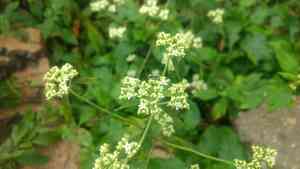
Recognized for its groupings of tiny white blossoms, white patrinia is a perennial herb that flourishes with proper cutting. In early spring, remove any withered or compromised stalks to preserve its vitality and form. Throughout the summer, removing faded flowers promotes additional blooming. This action not only stimulates fresh development but also inhibits unwanted self-propagation. After the flowering period, trim back the foliage to revitalize the plant for the subsequent season. Trimming improves air movement and discourages infestations.
What Are the Benefits of Pruning White Patrinia?
What Are the Benefits of Pruning White Patrinia?
Trimming white patrinia promotes robust development and maintains its desired form. Regular cutting eliminates dead foliage, revitalizes the plant's structure, and encourages a dense, healthy appearance.
What Is the Best Time for Pruning White Patrinia?
What Is the Best Time for Pruning White Patrinia?
Pruning or trimming white patrinia during late spring and early summer aligns with its post-flowering phase when the plant's energy is directed towards new growth rather than sustaining blooms. This timing prevents undue stress on white patrinia and ensures energy is utilized for the vigorous regrowth necessary for robust health and vitality. Furthermore, by pruning after the last spring frost dates, there's a reduced risk of frost damage to fresh cuts and emerging growth. Avoiding trimming in late summer or fall also helps white patrinia retain strength for overwintering without the potential shock from new pruning wounds.
What Tools Do I Need to Prune White Patrinia?
Bypass Pruners
Perfect for making clean cuts on the green, living stems of white patrinia. Bypass pruners operate like scissors, with two curved blades that pass each other to provide a smooth cut, which is crucial for maintaining the health of the remaining stems.
Pruning Snips
These are essential for deadheading spent flowers and performing precise trims on white patrinia. Their fine tips allow for detailed work without harming adjacent stems or leaves.
Gardening Gloves
Required to shield the gardener's hands from thorns or rough plant material of white patrinia, as well as from potential skin irritants in the sap.
Long-Handled Loppers
Useful for reaching into denser areas of white patrinia without damaging surrounding foliage. They are also helpful if the plant has matured and possesses thicker stems that demand more leverage to cut.
How to Prune White Patrinia
Disinfect tools
Before beginning, sanitize your pruning tools with rubbing alcohol or a household disinfectant to prevent disease transmission.
Remove diseased parts
Carefully trim away any diseased leaves or stems from white patrinia, ensuring cuts are made back to healthy tissue to prevent infection spread.
Prune withered leaves
Cut off the withered leaves of white patrinia to encourage healthy growth and improve air circulation around the plant.
Clean cut
Make clean cuts at a 45-degree angle just above a leaf node or junction for diseased stems to promote efficient healing and discourage water accumulation.
Dispose infected material
Properly discard all diseased and withered material removed from white patrinia to prevent reinfection or pest issues; do not compost.
Common Pruning Mistakes with White Patrinia
Overpruning
Removing too much foliage at once, which can stress white patrinia and reduce its ability to photosynthesize effectively.
Blunt cut
Using dull tools that create jagged cuts, risking damage and disease instead of clean, quick healing incisions.
Pruning active growth
Trimming white patrinia during periods of active growth can interrupt its growth cycle and may affect blooming.
Pruning all stems equally
Indiscriminately cutting back all stems, failing to consider the plant's natural shape and growth pattern which can lead to a less aesthetic outcome.
Ignoring health
Not removing diseased or damaged wood as a priority, which could spread problems throughout white patrinia.
Shearing
Shearing white patrinia into artificial shapes that do not complement its natural habit, potentially impairing its growth and flowering.
Neglecting tools
Failing to clean and sterilize pruning tools between cuts and plants, which can spread pests and diseases.
Common Pruning Tips for White Patrinia
Sharp tools
Always use sharp, clean pruning shears to ensure clean cuts that heal quickly and minimize stress to white patrinia.
Selective pruning
White patrinia benefits from selective pruning that removes only dead, diseased, or overcrowded stems, promoting air circulation and light penetration.
Thin out center
Thin out the center of white patrinia to improve air flow and light availability, which supports healthy growth and reduces disease incidence.
Prioritize removing
Prioritize removing any stems that are dead, damaged, or show signs of disease first in order to keep white patrinia healthy.
Shape naturally
Aim to maintain the natural shape of white patrinia when pruning, removing only whatâs necessary to enhance the plant's inherent structure.
Cut above buds
Make cuts just above buds that are facing outwards to direct new growth away from the center of white patrinia.
After flowering
Prune white patrinia once flowering has ceased to prepare it for the next blooming cycle while avoiding disruption during the active flowering period.
Clean tools
Clean and sterilize pruning equipment before and after use on white patrinia to prevent the spread of disease.



