How to Prune Blue passionflower?
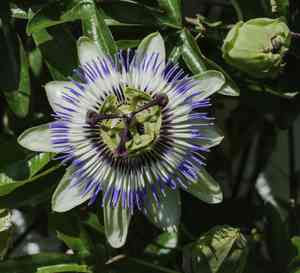
A striking climbing plant recognized for its elaborate blossoms and abundant leaves, blue passionflower thrives with yearly trimming. Essential for preserving its well-being and strength, this process should entail eliminating deceased or excessively long branches and can stimulate denser development. It is most effectively carried out in early spring, right before fresh shoots emerge, to sculpt and manage its spread. Refrain from making cuts in late autumn, as this might impede its dormant period. Trimming not only revitalizes blue passionflower but also boosts its blooming and averts entanglement and insect problems.
Advantages of Trimming Blue Passionflower
Advantages of Trimming Blue Passionflower
Trimming blue passionflower promotes more robust development, encourages bloom production, and helps maintain a desired form. This vital maintenance routine ensures blue passionflower stays healthy, productive, and visually appealing.
Optimal Period for Pruning Blue Passionflower
Optimal Period for Pruning Blue Passionflower
Early spring is an ideal time to prune blue passionflower as the plant is still dormant, which minimizes stress and allows for better wound recovery before new growth emerges. Pruning at this time helps stimulate vigorous growth and improves the plant's overall shape and structure. Pruning in late autumn, after fruiting has concluded, is also beneficial as it aids in removing spent or dead growth, which can harbor pests or diseases over winter. Eliminating these parts before the plant enters dormancy can enhance its health and vitality for the subsequent growing season. Furthermore, since blue passionflower is a fast-growing vine that produces flowers and fruits on new growth, timely pruning can encourage more abundant blooms and fruit set in the upcoming growth cycle.
Tools Required for Pruning Blue Passionflower
Hand Pruners
Essential for making clean cuts on smaller stems and branches of blue passionflower, ensuring precise control and minimal harm to the plant.
Pruning Saw
Useful for cutting through thicker stems or branches than hand pruners can manage, providing a way to shape the plant or remove larger growth.
Loppers
Ideal for reaching deeper into the growth of blue passionflower and for extra leverage when cutting through medium-sized branches that are too thick for hand pruners.
Garden Scissors
Perfect for snipping off dead flowers or tendrils of blue passionflower, as well as shaping the plant with precision and care.
Gloves
To protect hands from thorns and sap while pruning blue passionflower, which can be an irritant or cause skin reactions in some individuals.
Cleaning Solution
For sanitizing tools before and after use on blue passionflower to prevent the spread of disease and ensure the plant's well-being.
How to Prune Blue Passionflower
Step1: Choose Best Pruning Time
Select the appropriate time to prune blue passionflower, which is typically in early spring before new growth begins or after flowering to allow for regeneration and prevent the removal of new flower buds.
Step2: Sanitize Pruning Tools
Sterilize your pruning shears with alcohol or a bleach solution to prevent the spread of disease.
Step3: Remove Spent Flowers
Begin by removing old flowers. Snip the flower stem approximately 1/4 inch above a leaf axil or a side shoot, encouraging blue passionflower to produce new growth and potentially more flowers.
Step4: Shape and Reduce Stem Length
Identify and cut back overgrown stems to maintain the desired shape of blue passionflower. Make cuts just above a healthy leaf or a lateral stem. Aim to reduce the length by one-third to one-half to promote bushiness and better air circulation within the plant.
Step5: Eliminate Dead or Diseased Shoots
Remove dead or diseased shoots at their point of origin from the main stem to improve the overall health and appearance of blue passionflower. If only a portion of the shoot is affected, cut back to a healthy section, ensuring a clean cut that does not leave a stub.
Step6: Clear Pruning Debris
After completing the cuts, remove all cuttings and debris from around blue passionflower to reduce the risk of disease and pest infestations.
Step7: Water Plant Post-Pruning
Water blue passionflower adequately after pruning to help reduce stress and support the healing and growth processes.
Step8: Observe and Adjust Future Pruning
Monitor blue passionflower for new growth, and adjust subsequent pruning techniques based on the shape and health of the plant in the following growing season.
Post-Pruning Care for Blue Passionflower
Post-Pruning Care for Blue Passionflower
Immediately after pruning blue passionflower, it is crucial to maintain a consistent watering schedule to aid recovery. Ensure blue passionflower is positioned in partial to full sunlight and protect it from extreme temperature fluctuations. A balanced, slow-release fertilizer is recommended to support new growth. Monitor blue passionflower regularly for wilted leaves or discolored stems, indicating stress or infection, and adjust care as needed. Hygiene is paramount; sanitize all tools post-pruning to prevent disease spread.
Common Pruning Errors with Blue Passionflower
Avoid Excessive Pruning to Prevent Growth Impairment
Over-pruning can significantly hinder blue passionflower's growth and flowering. Avoid removing more than one third of the plant in a single pruning session.
Cut Above Leaf Nodes to Avoid Stem Damage
Cutting too close to the main stems or nodes can damage blue passionflower. Ensure cuts are made just above leaf nodes, allowing for healthy regrowth.
Remove Dead Material to Maintain Health
Neglecting to remove dead or diseased portions of blue passionflower can lead to poor plant health. Regularly inspect and promptly remove unhealthy material.
Sterilize Tools to Stop Disease Spread
Using unclean pruning tools can introduce pathogens to blue passionflower. Always sterilize tools before and after use to prevent disease spread.
Prune with Natural Growth Habit in Mind
Ignoring the plant's natural growth habit may result in an undesirable shape. Prune with the plant's structure in mind to maintain its aesthetic and health.
General Pruning Advice for Blue Passionflower
Prune for Better Air Circulation and Light
Identify and selectively prune overcrowded or entangled stems of blue passionflower to enhance air circulation and light penetration, essential for the plant's vigor and bloom production.
Prune Old Growth to Encourage New Shoots
Encourage new growth and flowering by pruning back the previous season's growth to healthy buds. This will prompt blue passionflower to produce fresh, vigorous shoots.
Cut Back to Directional Lateral Shoots for Shaping
In cases of lengthy stems, consider cutting back to a lateral shoot or leaf node that faces the direction you wish to encourage new growth towards, to shape blue passionflower effectively.
Deadhead Spent Flowers to Extend Blooming
After flowering, remove spent flowers of blue passionflower to conserve plant energy and potentially extend the blooming period.
Inspect for Pests During Pruning
Regularly inspect blue passionflower for signs of pests or diseases when pruning. Early detection and action can save the plant from significant damage.



