How to Prune Virginia creeper?
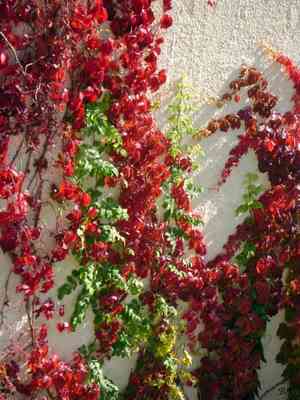
This leafy vine, recognized by its palmate foliage and ascending nature, flourishes with consistent upkeep. For virginia creeper, essential trimming methods involve cutting back excessive growth and eliminating deceased or injured tendrils to foster robust development. The most effective pruning takes place in late winter or early spring prior to the appearance of new leaves. This schedule prevents sap leakage and stimulates strong spring growth. Trimming virginia creeper enhances air movement and light exposure, boosting the plant's general health and visual attractiveness.
What Are the Benefits of Pruning Virginia Creeper?
What Are the Benefits of Pruning Virginia Creeper?
Trimming virginia creeper promotes robust development and preserves its intended shape, ensuring it doesn't overtake nearby structures or other plants.
What Is the Best Time for Pruning Virginia Creeper?
What Is the Best Time for Pruning Virginia Creeper?
During late winter and early spring, virginia creeper is typically inactive, which minimizes plant stress and lowers the chance of disease spread through pruning wounds. Pruning before new growth starts allows the plant to recover and direct energy into producing strong new shoots. These periods also offer a clear view of the plant's structure, enabling the removal of any dead or damaged wood and shaping virginia creeper for the upcoming growing season.
What Tools Do I Need to Prune Virginia Creeper?
Hand Pruners
Crucial for making precise cuts on virginia creeper's thinner stems and vines, hand pruners or secateurs must be sharp and clean to prevent illness and foster healthy growth.
Loppers
Virginia creeper can develop thicker stems as it matures, requiring loppers, which offer greater leverage for cutting through stems up to 2 inches in diameter.
Pruning Saw
For the oldest and thickest parts of virginia creeper, a pruning saw is essential. It enables gardeners to cleanly cut through stems and branches too large for loppers.
Garden Gloves
Given virginia creeper's climbing nature, wearing gloves can shield the gardener's hands from scratches and potential skin irritation when handling the vines.
Long-sleeved Clothing
Virginia creeper can sometimes grow in dense areas, and wearing long-sleeved clothing will protect the gardener from scratches and irritation when reaching into growth to prune.
Pruning Shears
These are useful for snipping off unwanted tendrils and shaping virginia creeper, as well as removing any dead or diseased foliage.
Eye Protection
Safety glasses or goggles are advised to protect the eyes from debris when cutting overhead or through dense growth of virginia creeper.
How to Prune Virginia Creeper
Step1: Timing for Pruning
Determine the appropriate time of year to prune virginia creeper, which is generally late winter or early spring before new growth commences. Pruning at this time supports a healthy growth cycle and prevents potential harm to new shoots.
Step2: Pruning Tool Preparation
Prepare the necessary tools for trimming virginia creeper, such as sharp bypass pruners, loppers, and gardening gloves. Ensure tools are clean to prevent disease transmission.
Step3: Inspect and Mark for Pruning
Carefully examine virginia creeper to identify the sections requiring trimming: Old wood, Diseased wood, and Dead wood. Mark these areas with a ribbon or string if needed.
Step4: Remove Dead Wood
Begin by removing any dead wood. Cut back to healthy tissue, ensuring a clean cut just above a bud or branching point without leaving a stub.
Step5: Cut Away Diseased Wood
Prune diseased wood on virginia creeper by cutting it back to healthy tissue, well below the affected area. Dispose of diseased material immediately to prevent contamination to other parts of the plant or garden.
Step6: Prune Old Growth
Trim old wood to encourage vigorous growth and revitalize virginia creeper. Remove any old branches that appear thick, rough, or have not produced new shoots in the previous year by cutting back to a healthy lateral shoot or bud.
Step7: Shaping the Plant
Shape virginia creeper by selectively trimming to maintain the desired form. If it is grown on a structure, ensure that it stays within bounds and trim accordingly.
Step8: Cleanup Pruning Debris
After pruning, clear away all cuttings from around the base of virginia creeper to prevent rot and deter pests.
Step9: Post-Pruning Plant Care
Monitor virginia creeper after pruning for any signs of stress or disease and apply appropriate care as needed, such as watering or providing additional support if the plant structure has been significantly altered.
Step10: Tool Sterilization Post-Pruning
Sterilize the tools after finishing to prevent the spread of any potential pathogens to other plants.
Post-Pruning Care for Virginia Creeper
Post-Pruning Care for Virginia Creeper
Immediately after pruning virginia creeper, water the plant thoroughly to promote recovery. Manage exposure to ensure virginia creeper receives partial to full sunlight, crucial for healthy growth. Maintain ambient humidity and temperature conditions to avoid stress. Apply a balanced fertilizer to support new growth but avoid over-fertilization, which can harm virginia creeper. Regularly check pruned areas for signs of disease or pests; treat promptly with appropriate fungicides or insecticides if necessary. Monitor new shoots for vigorous, healthy development.
Common Pruning Mistakes with Virginia Creeper
Avoid Dull, Dirty Pruning Tools
Using dull or unclean pruning tools, which could result in jagged cuts and heighten the risk of disease for virginia creeper.
Do Not Over-Prune in One Session
Trimming too much at once, which might stress virginia creeper and lead to poor growth or reduced vigor. Avoid removing more than a third of the plant in a single pruning session.
Prevent Tearing Stems; Ensure Clean Cuts
Tearing or ripping stems during pruning instead of making clean cuts, which can harm virginia creeper and impede its natural healing process.
Common Pruning Tips for Virginia Creeper
Use Sharp, Clean Shears for Quick Healing
Utilize sharp, clean pruning shears to make precise cuts that virginia creeper can quickly recover from, lowering the risk of infection.
Remove Dead or Diseased Shoots First
Prioritize removing dead, diseased, or damaged shoots first to help maintain the health and appearance of virginia creeper.
Regularly Prune Vigorous Climbers for Shape Control
Since virginia creeper is a vigorous climber, consistent pruning of young shoots can help maintain the desired shape and prevent overgrowth. Trim these shoots lightly to encourage branching where you want the plant to be fuller.



