How to Prune Corn poppy?
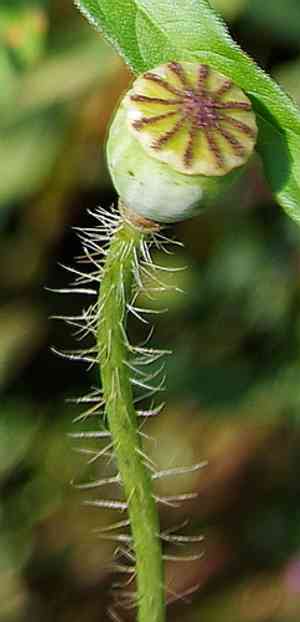
The corn poppy, a lively wildflower, is distinguished by its vivid crimson petals and dark central spots. Generally, pruning is not required, though removing spent blooms stimulates additional flowering. Should it be necessary, a gentle trim can assist in preserving its form. Perform pruning from early spring through late autumn, refraining from it in winter to safeguard the dormant seeds. Advantages of pruning encompass fostering development, mitigating ailments, and managing the plant's self-propagation within cultivated areas.
What Are the Benefits of Pruning Corn Poppy?
What Are the Benefits of Pruning Corn Poppy?
Trimming corn poppy promotes robust development and helps maintain its desired shape, which is particularly important for visual appeal and the plant's well-being.
What Is the Best Time for Pruning Corn Poppy?
What Is the Best Time for Pruning Corn Poppy?
Trimming corn poppy in early spring supports the plant's health by removing any dead or damaged foliage, allowing for a strong start to the growing season. This timing also prevents disrupting the blooming cycle as corn poppy blooms in the summer. Late fall pruning is beneficial as it helps manage or reduce the size of corn poppy, removing spent blooms and preventing self-seeding if desired. It prepares corn poppy for dormancy, minimizing the risk of fungal infections or winter damage to new growth. These practices align with corn poppy's annual life cycle and help maintain plant vigor and appearance.
What Tools Do I Need to Prune Corn Poppy?
Floral Snips
These are perfect for deadheading corn poppy as they allow for precise cuts without damaging nearby stems or flowers. Deadheading ensures the removal of spent blooms to encourage further flowering.
Bypass Pruners
Suitable for cutting back corn poppy after it has finished flowering, bypass pruners make clean cuts and can help manage the shape and size of the plant while avoiding disease transmission.
Gardening Gloves
Protection for the gardener's hands, since corn poppy can have sap that may cause skin irritation or to simply keep hands clean during pruning.
Garden Scissors
For more control and a clean cut when thinning out corn poppy seedlings if overcrowding occurs, which is common with corn poppy's growing habits.
Pruning Shears
These can be used at the end of the season to cut back the entire plant. Sharp shears will provide a clean cut and minimize damage to the remaining plant material.
How to Prune Corn Poppy
Step1: Identify Parts for Pruning
Pinpoint the sections of corn poppy that require trimming. Focus on injured stems and faded flowers, which are the parts you need to remove to enhance the plant's health and look.
Step2: Select Suitable Pruning Tools
Gather the appropriate trimming tools, ensuring they are clean and sharp. Bypass pruners are suitable for this delicate task as they provide clean cuts without crushing the stems.
Step3: Inspect for Damaged Stems
Examine for any stems that are damaged. This includes stems that are broken, diseased, or show signs of pest damage.
Step4: Execute Precise Cutting
Make accurate cuts on the damaged stems. Cut above a healthy leaf node or bud to encourage new growth. Leave approximately 1/4 inch above the node to avoid damaging the potential new growth.
Step5: Deadhead Withered Flowers
Trim faded flowers, also known as deadheading. This promotes further blooming and prevents corn poppy from self-seeding excessively, if that's a concern.
Step6: Trim Flower Stems Properly
When deadheading, cut the flower stem back to the first set of healthy leaves. If the entire stem is finished blooming and looks unsightly, you can cut it back to the base of the plant.
Step7: Dispose of Pruned Plant Parts
Discard the removed plant parts appropriately. Do not compost diseased material as this can spread pathogens.
Step8: Water Plant Post-Pruning
After pruning, water the corn poppy if the soil is dry. This helps the plant recover and stimulates new growth.
Step9: Monitor and Repeat Pruning
Regularly monitor corn poppy and repeat the pruning process as needed throughout the growing season to maintain plant health and vigor.
Post-Pruning Care for Corn Poppy
Post-Pruning Care for Corn Poppy
Immediately after trimming corn poppy, water the soil to maintain consistent moisture and reduce stress on the plant. Provide a balanced environment; ensure full sun exposure, manage ambient humidity, and keep temperature steady. Post-pruning, apply a balanced fertilizer to replenish nutrients and encourage growth. Vigilantly monitor corn poppy for signs of wilting, discoloration, or infection. If symptoms occur, adjust care and potentially consult a plant health specialist. Regular checks on these aspects are critical for corn poppy's recovery and robust growth.
Common Pruning Mistakes with Corn Poppy
Over-pruning Reduces Blossoms
Excessive trimming, which can lead to fewer blossoms and a weakened corn poppy.
Unclean and Dull Tools Harm Plants
Using dirty or dull trimming tools, potentially causing damage or introducing disease to the corn poppy.
Incorrect Pruning Affects Flowering
Trimming without understanding the growth habit of corn poppy, removing parts that would otherwise produce flowers.
Uniform Pruning Stifles Natural Growth
Trimming all stems to the same height, which can result in an unnatural appearance and reduce plant vigor.
Failing to Deadhead Hinders Blooms
Neglecting to remove faded flowers or seed pods, which can prevent further blooming and deplete the corn poppy's energy reserves.
Common Pruning Tips for Corn Poppy
Sharp, Sterile Shears for Healthy Cuts
Use sharp and sterile trimming shears to make clean cuts, which helps promote quick healing and reduces the risk of disease.
Deadheading Encourages New Growth
Trim corn poppy by deadheading, which involves removing spent flowers to divert energy into new growth and blooms.
Pinching for Bushier Plants
Pinch out the tips of young corn poppy plants to encourage bushier growth and more abundant flowering.
Post-Flowering Trim Promotes Second Bloom
Cut back the foliage of corn poppy after flowering has finished to tidy up the plant, stimulate new growth and potentially a second bloom.
Remove Damaged Tissue to Preserve Health
Regularly inspect corn poppy and remove any diseased or damaged tissue to maintain plant health and aesthetic appeal.



