How to Prune Arctic poppy?
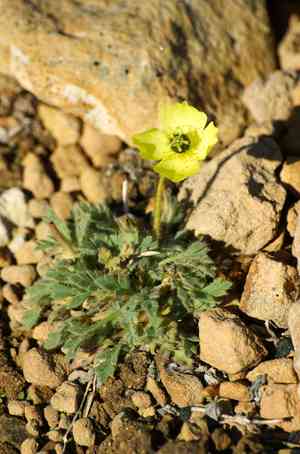
A robust perennial recognized for its durability in frigid environments, arctic poppy flourishes with little upkeep. Trimming ought to occur in spring or summer, concentrating on eliminating spent blossoms and compromised foliage to encourage fresh development and extend flowering. This targeted trimming improves the plant's general well-being and visual attractiveness, guaranteeing it stays lively and controllable. Bear in mind, prompt pruning optimizes energy for more vigorous blooms and sturdy growth.
What Are the Benefits of Pruning Arctic Poppy?
What Are the Benefits of Pruning Arctic Poppy?
Trimming arctic poppy encourages robust development and maintains its compact form, vital in severe Arctic conditions. Strategic cutting back manages size and fosters a denser, more resilient structure against extreme weather.
What Is the Best Time for Pruning Arctic Poppy?
What Is the Best Time for Pruning Arctic Poppy?
Pruning or trimming arctic poppy during Spring and Summer aligns with its active growth phases, which are crucial for promoting healthy development and flowering. In the Spring, just after the last frost, pruning helps remove any dead or damaged parts incurred over the winter, facilitating a robust burst of new growth as temperatures rise. This timing ensures that the plant can recover quickly, utilizing the longer spring days for photosynthesis and energy production. Continuing to trim arctic poppy during the Summer can help manage its shape and size, while also enhancing air circulation within the foliage, which is vital for preventing disease. Summer pruning also encourages the plant to focus its energy on maintaining vibrant blooms rather than overextending its resources on unwanted or excessive leaf growth.
What Tools Do I Need to Prune Arctic Poppy?
Floral Snips
These are perfect for arctic poppy due to their small, sharp blades which allow for precise cuts without harming delicate stems and leaves. Floral snips are ideal for deadheading and shaping small flower plants like arctic poppy.
Bypass Pruners
For slightly thicker stems or for general pruning of arctic poppy, bypass pruners are recommended. They make clean cuts that help prevent disease and ensure healthy regrowth. Their design minimizes harm to the remaining plant parts.
Small Gardening Shears
When trimming larger sections of arctic poppy or shaping the plant, small gardening shears can provide quick, clean cuts across wider areas without hacking the plant.
How to Prune Arctic Poppy
Disinfect tools
Before starting the pruning of arctic poppy, ensure all pruning tools are properly disinfected to prevent the spread of diseases. You can use a solution of one part bleach to nine parts water or use alcohol wipes.
Identify parts
Carefully inspect arctic poppy to identify and mark the diseased and withered leaves, as well as any diseased stems. These are typically characterized by discoloration, spots, or abnormal growth.
Prune leaves
Using sharp, clean scissors or pruning shears, carefully trim off the diseased and withered leaves. Make cuts close to the leaf base, but ensure not to damage the stem or nearby healthy leaves.
Prune stems
If any stems of arctic poppy show signs of disease, prune them back to healthy tissue. Ensure the cut is made just above a leaf node or bud to promote healthy regrowth.
Cleanup
Collect all removed foliage and stems and dispose of them properly to prevent the risk of disease spread. Do not compost diseased materials. Finally, clean and disinfect the tools once again after finishing.
Common Pruning Mistakes with Arctic Poppy
Overpruning
Cutting back too much of arctic poppy can significantly weaken the plant. Since arctic poppy thrives in cold, harsh climates, leaving enough foliage is crucial to ensure it has enough energy reserves to survive and bloom.
Timing
Pruning arctic poppy at the wrong time, especially during its active growth phase, can hinder its ability to flower properly. It's important to allow arctic poppy to complete its blooming cycle before attempting any significant pruning.
Disregarding plant health
Removing healthy foliage under the guise of thinning can inadvertently reduce the vigor of arctic poppy. It's essential to assess the health of each stem and leaf before deciding to prune.
Common Pruning Tips for Arctic Poppy
Selective thinning
Focus on removing only the dead or damaged stems of arctic poppy. This not only helps to prevent disease but also encourages a more robust and structured growth in the surviving stems.
Clean tools
Always use clean, sharp pruning tools to make precise cuts. This prevents infection and ensures quick healing of the pruned areas.
Post-bloom pruning
Once arctic poppy has finished flowering, light pruning can encourage future growth and maintain the desired shape. Remove spent blooms to redirect the plant's energy towards health and vigor.



