How to Prune Oriental poppy?
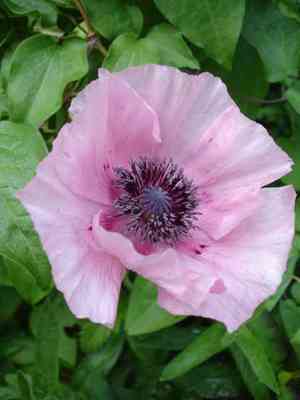
A harbinger of vivid blossoms, oriental poppy is a perennial herb recognized for its substantial, striking flowers. Following its blooming period, trim spent flowers down to their base to foster a neat look and deter unwanted self-propagation. During the fall, eliminate any aged, compromised leaves to revitalize development. Since oriental poppy tolerates pruning at any point, prioritize attention after flowering. Advantages of pruning encompass stimulating the subsequent season's growth, preserving the plant's well-being, and managing its expansion throughout the garden.
Advantages of Trimming Oriental Poppy
Advantages of Trimming Oriental Poppy
Trimming oriental poppy is vital for promoting abundant flowering, sustaining vigorous development, and shaping. By cutting back after blooming, gardeners can ensure oriental poppy directs energy towards preparing for the subsequent season's display.
Optimal Period for Trimming Oriental Poppy
Optimal Period for Trimming Oriental Poppy
Oriental poppy finishes its flowering cycle by mid-summer and subsequently enters a dormant phase. Pruning in late summer to early fall allows for the removal of spent flowers and foliage once they have yellowed and withered, which can help prevent diseases and pests. This timing also provides oriental poppy an opportunity to conserve energy for the upcoming growing season. It is not advisable to prune oriental poppy in spring or early summer, as this is the plant's active growth and flowering period, and pruning at this time could potentially remove flower buds and diminish the plant's bloom display.
Necessary Tools for Pruning Oriental Poppy
Hand Pruners
For oriental poppy, hand pruners are the perfect choice as they offer precise control when removing dead foliage or cutting spent flowers. They are particularly useful due to the plant's delicate stems, which should be cut without excessive force to avoid damaging the plant.
Pruning Shears
These are excellent for snipping off old flower stems of oriental poppy once they have completed blooming. Their sharp blades create clean cuts that help prevent disease and pests from entering the plant tissues.
Gardening Gloves
While oriental poppy is not particularly thorny or irritating, wearing gloves can safeguard the gardener's hands from cuts and soil-borne pathogens during the pruning process.
Garden Disinfectant
Before and after pruning oriental poppy, it is essential to sanitize cutting tools with a disinfectant to prevent the spread of diseases among plants.
Garden Waste Bag
To maintain a tidy area and dispose of clippings from oriental poppy, a garden waste bag should be readily available. This practice also aids in preventing disease spread and pest infestation by promptly removing potentially infected plant material.
How to Prune Oriental Poppy
Step1: Timing Pruning After Flowering
Wait until oriental poppy has completed its flowering in late spring or early summer before beginning to prune. This typically occurs when the petals have dropped, and the foliage begins to yellow.
Step2: Sterilize Pruning Tools
Sterilize your pruning shears with a 10% bleach solution or rubbing alcohol to prevent disease transmission. This is crucial because uncleaned cutting tools can introduce harmful bacteria or fungi.
Step3: Identify Dead Flowers and Seed Pods
Examine oriental poppy to locate dead flowers and old seed pods that require trimming. Dead flowers will appear wilted and faded, while old seed pods will be dry and brown.
Step4: Cut Dead Flowers at Base
To remove dead flowers, trace the flower stem down to the plant's base. Make a clean cut with your pruning shears to remove the entire flower stem. Avoid cutting into the green foliage or the main plant clump.
Step5: Trim Old Seed Pod Stalks
To remove old seed pods, identify the stalk supporting the pod and cut it back to the base or to a set of leaves. Be careful not to harm any new buds or shoots that might be developing.
Step6: Remove Yellowed Foliage
If oriental poppy's foliage is yellowing and you wish to neaten the plant, you can cut back the leaves to the ground. However, retain as much green foliage as possible, as this will help the plant gather energy for the next growing season.
Step7: Dispose of Pruning Debris
After trimming, gather all pruned material and discard it in a compost bin or suitable waste container to keep the area clean and prevent any diseases or pests from spreading.
Step8: Monitor and Water Post-Pruning
Monitor oriental poppy for any signs of new growth, and provide water if the surrounding soil is dry. Oriental poppy is relatively drought-tolerant but may benefit from watering during extended dry periods.
Step9: Fertilize After Pruning
Encourage robust growth and blooming for the subsequent season by applying a balanced, slow-release fertilizer around the base of oriental poppy once pruning is finished.
Step10: Reassess Pruning at Season End
Re-evaluate your pruning at the close of the growing season. Some gardeners opt to leave seed pods on oriental poppy for winter interest and for the plants to self-seed, while others prefer a tidier garden space and remove them.
Post-Pruning Care for Oriental Poppy
Post-Pruning Care for Oriental Poppy
Immediately after pruning oriental poppy, ensure ample light exposure, avoiding intense midday sun. Maintain moderate humidity and cooler temperatures to reduce stress. Apply a balanced, slow-release fertilizer to aid recovery. Regularly inspect oriental poppy for stress indicators like wilting or discoloration. If symptoms of infection such as spots or rot appear, treat promptly with fungicides or remove affected areas. Consistent monitoring and gentle care are crucial for oriental poppy's post-pruning health.
Common Pruning Errors with Oriental Poppy
Excessive Pruning and Damage to Healthy Growth
Pruning too aggressively can result in a weakened oriental poppy, with a diminished capacity to recover and thrive. It is important to avoid cutting into the healthy, green foliage.
Incorrect Timing of Leaf Removal Post-Bloom
Removing leaves after blooming without allowing them to naturally die back can deprive oriental poppy of the energy it needs to store for the next season's growth.
Failure to Deadhead Leading to Reduced Blooming
Neglecting to remove spent flowers or seed pods, a process known as deadheading, may lead to less prolific blooming in the subsequent season as oriental poppy may prioritize energy on seed production instead of root and foliage development.
General Pruning Advice for Oriental Poppy
Encourage Reblooming with Proper Deadheading Technique
Deadhead oriental poppy by snipping off old blooms at the stem just below the flower's base after the petals have fallen. This promotes a potential second bloom and prevents the plant from expending energy on seed production.
Promote Root Energy Storage by Cutting Back Dying Foliage
Once oriental poppy's foliage begins to yellow and naturally die back, typically after the blooming period, cut back the leaves close to ground level to maintain garden tidiness and redirect the plant's energy back to the roots for the next season.
Use Clean, Sharp Shears for Healthy Pruning Cuts
Utilize clean, sharp pruning shears to make precise cuts, which help ensure rapid healing and prevent disease from entering the plant through jagged edges.



