How to Prune Bitter panicgrass?
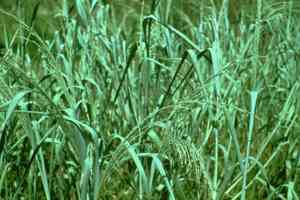
Bitter panicgrass, a perennial coastal grass, flourishes in sandy seaside dunes, characterized by its extensive root system and lofty, clustered form. Trim any withered or compromised leaves in late winter or early spring, severing them at ground level to stimulate robust new development. Performing this trimming during its inactive periods lessens strain and fosters robust, thick groupings. Eliminating aged vegetation also diminishes environments for pests, thereby boosting bitter panicgrass's durability and resistance to oceanic breezes and saline mist.
What Are the Benefits of Pruning Bitter Panicgrass?
What Are the Benefits of Pruning Bitter Panicgrass?
Trimming bitter panicgrass promotes robust development and maintains its desired form. This action can stimulate new growth, potentially leading to a denser and healthier specimen.
What Is the Best Time for Pruning Bitter Panicgrass?
What Is the Best Time for Pruning Bitter Panicgrass?
Cutting bitter panicgrass in early spring is optimal as it precedes new growth, enabling the plant to channel energy into fresh shoots and sustain a healthy, vigorous growth pattern throughout the active season. Late winter pruning is also advantageous because bitter panicgrass is dormant, minimizing stress and reducing the risk of disease transmission common in warmer conditions. This timing also avoids cutting off later-developing flower buds, ensuring the plant's aesthetic and ecological contributions are preserved.
What Tools Do I Need to Prune Bitter Panicgrass?
Hand Pruners
Given the grass-like nature of bitter panicgrass, hand pruners are suitable for cutting through its slender, individual blades or for removing dead foliage. They offer the precision needed for selective trimming without harming the plant.
Grass Shears
Grass shears are an excellent implement for bitter panicgrass due to their design, which is specifically for trimming and shaping grasses. Their long, sharp blades allow for a quick and uniform cut across the foliage.
Hedge Shears
If bitter panicgrass is cultivated in a larger cluster or as part of a grassy landscape, hedge shears can be utilized to sculpt the plant's outer profile and maintain a desired shape. They enable the cutting of multiple stems simultaneously, making the task more efficient.
Serrated Knife
For thicker, more mature clumps of bitter panicgrass, a sharp serrated knife might be necessary to saw through the denser sections of the plant when thinning or division is required.
How to Prune Bitter Panicgrass
Identify
Examine bitter panicgrass for diseased or withered leaves. Look for any discoloration, spots, or indications of pest damage that suggest illness. For withered leaves, pinpoint those that are dry, brown, or crumbling.
Sanitize
Before commencing the pruning process, disinfect your pruning tools to prevent the spread of pathogens. Wipe the blades with rubbing alcohol or a bleach and water solution.
Prune diseased
Using sharp, clean pruning shears, carefully remove diseased leaves from bitter panicgrass by cutting them at the base where the leaf stem meets the main plant stem. Ensure you do not tear or damage surrounding healthy tissue.
Prune withered
Similarly, trim withered leaves from bitter panicgrass, cutting them at the base to encourage healthy growth and improve air circulation around the plant.
Dispose
Properly dispose of the trimmed diseased and withered leaves. Do not compost them as they can harbor pathogens that may contaminate the compost. Seal them in a bag and discard them in the trash.
Common Pruning Mistakes with Bitter Panicgrass
Over pruning
Cutting back bitter panicgrass too aggressively can disrupt the plant's natural growth pattern and diminish its vigor. The plant needs foliage for photosynthesis and to sustain its health, so removing too much can stress it.
Imprecise cuts
Making jagged or torn cuts can create entry points for disease and pests. It is crucial to use sharp pruning shears to make clean cuts that bitter panicgrass can heal from effectively.
Pruning healthy growth
Removing healthy growth indiscriminately can limit bitter panicgrass's ability to thrive. Identify and prune only the parts of the plant that are dead, diseased, or overgrown to maintain its health and shape.
Ignoring plant structure
Failing to consider the natural form of bitter panicgrass can result in a loss of its aesthetic appeal. Pruning should enhance the plant's inherent shape, not work against it.
Common Pruning Tips for Bitter Panicgrass
Minimal pruning
Since bitter panicgrass is a grass, it benefits from a conservative pruning approach. Focus on removing only dead or damaged foliage to maintain plant health.
Sharp tools
Utilize sharp and clean pruning shears or scissors to ensure precise cuts. This helps prevent damage to bitter panicgrass and promotes faster healing.
Post-bloom pruning
After bitter panicgrass has flowered, trimming the spent flower stalks can encourage another flush of blooms and prevent the plant from expending unnecessary energy on seed production.
Clump thinning
Periodically thin out older and central parts of the bitter panicgrass clump to allow air and light to penetrate, which encourages new, vigorous growth from the base.



