How to Prune Tree peony?
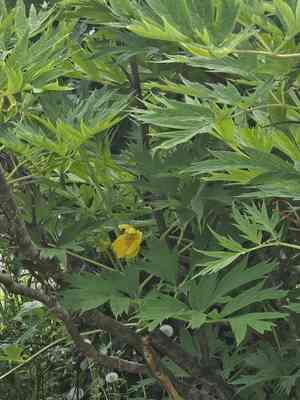
Celebrated for its expansive, striking blossoms, the tree peony greatly thrives with appropriate trimming. Essential methods involve excising deceased or compromised branches, sculpting for visual appeal, and fostering air movement. The most effective pruning takes place in early spring or late winter while the plant is inactive. This practice stimulates abundant flowering and sustains the plant's well-being. Caution is necessary to avoid excessive pruning, which could diminish bloom production. The result is a finely formed plant with heightened vitality and the most impressive annual floral exhibition.
What Are the Benefits of Pruning Tree Peony?
What Are the Benefits of Pruning Tree Peony?
Trimming tree peony encourages fresh development, leading to a more robust plant. It also assists in maintaining the desired form, enhancing both its structure and visual appeal.
What Is the Best Time for Pruning Tree Peony?
What Is the Best Time for Pruning Tree Peony?
Pruning tree peony in late winter or early spring is optimal since the plant remains dormant, minimizing stress and lowering the chance of disease or pest infestation that can occur in warmer weather. This timing allows for the removal of dead or damaged wood before new growth begins, typically in spring. Pruning at this stage also promotes good structure and form, as branches are more visible without leaves. Additionally, it helps to revitalize tree peony for the upcoming growing season, potentially improving its flowering performance.
What Tools Do I Need to Prune Tree Peony?
Bypass Pruners
Perfect for making precise cuts on the green, living stems of tree peony without crushing plant tissues.
Pruning Saws
Essential for cutting through thicker, woody branches that bypass pruners cannot manage, ensuring a smooth cut without harming the plant.
Loppers
Useful for reaching into the dense growth of tree peony and cutting thicker branches with greater leverage than bypass pruners provide.
How to Prune Tree Peony
Disinfect
Before beginning, ensure all pruning tools are sharp and sanitized to prevent the spread of disease to tree peony.
Remove Diseased
Carefully inspect tree peony for any signs of diseased foliage. Gently remove these leaves by cutting them at their base where they meet the stem, using bypass pruners to avoid tearing.
Remove Withered
Identify withered leaves on tree peony. Trim these leaves back to healthy tissue to promote plant vitality and appearance.
Clean Up
Gather and dispose of all removed material away from tree peony to reduce the risk of disease re-infection.
Monitor Health
After pruning, observe tree peony for signs of new growth or any indications of disease, adjusting care as needed for optimal health.
Common Pruning Mistakes with Tree Peony
Overzealous Pruning
Inexperienced gardeners may sometimes remove too many branches, which can stress tree peony and hinder its ability to bloom. Aim to remove just enough to shape the plant and encourage new growth.
Improper Cut Location
Cutting too far from a bud can result in dead stubs, while cuts too close can damage the budding area. Always cut just above an outward-facing bud to promote a good shape.
Removing Healthy Wood
Mistakenly removing healthy, green wood can limit bloom potential. Focus only on dead or diseased wood, especially because tree peony blooms on old wood.
Neglecting Sanitation
Not cleaning pruning tools between cuts can spread diseases. Always use sterilized tools to prevent infecting tree peony.
Misjudging Disease
Incorrectly identifying which wood is diseased or dead can lead to unnecessary cutting. Learn to spot the differences in tree peony's wood to correctly choose which parts to prune.
Common Pruning Tips for Tree Peony
Identify Wood Status
Determine whether wood is dead by checking for green beneath the bark. For tree peony, healthy branches are critical for flowering, so only remove dead wood.
Using Sharp Tools
Ensure pruning tools are sharp to make clean cuts. This helps tree peony heal faster and reduces the risk of disease.
Thinning Interior
Thin out the center of tree peony to allow light and air to reach the inner branches, promoting better health and bigger blooms.
Cut Angle
Make cuts at a 45-degree angle to prevent water from sitting on the cut surface, which can lead to rot and disease in tree peony.
Moderate Pruning
Prune tree peony moderately to maintain its natural shape and avoid over-pruning, which can lead to fewer blooms and a weakened plant.



