How to Prune Money tree?
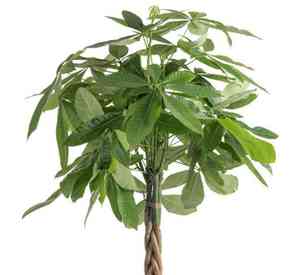
Distinguished by its interwoven stem and hand-shaped foliage, the money tree flourishes when adequately tended. Essential trimming methods involve removing withered or discolored leaves and severing suckers to sculpt and control its dimensions. The colder months are perfect for pruning to encourage development in spring. Pruning cultivates a denser crown and can improve the plant's interwoven appearance. Disinfect implements to avert pathogen spread, making sure incisions are precise for rapid recovery.
Advantages of Trimming Money Tree
Advantages of Trimming Money Tree
Trimming money tree is essential for preserving its vitality and desired form. Strategic cuts promote denser growth, allowing money tree to thrive and achieve a more aesthetically pleasing structure.
Optimal Time for Pruning Money Tree
Optimal Time for Pruning Money Tree
This period is ideal because money tree typically experiences slower growth in winter. Pruning during dormancy minimizes plant stress and reduces infection risk from cuts. With less foliage, the plant's structure is clearer, enabling more precise trimming. Pruning before spring also boosts money tree's vigor and health by removing dead or damaged parts, fostering a strong start to the growing season.
Tools Required for Pruning Money Tree
Sharp Bypass Pruners
For accurate cuts on money tree's smaller branches, ensuring clean wounds that heal quickly and lower disease risk.
Pruning Shears
Perfect for trimming thinner stems and leaves of money tree, helping to maintain its shape and stimulate new growth.
Long-Handled Loppers
Useful for reaching higher branches if money tree is tall, providing leverage for clean cuts on thicker branches with minimal effort.
Gardening Gloves
Protects hands from scratches and sap when pruning money tree.
Alcohol or Bleach Solution
Used for sanitizing tools before and after pruning money tree to prevent pathogen spread.
How to Prune Money Tree
Step1: Tool Sanitization
Sanitize your tools. Before beginning the pruning process, ensure all pruning shears and scissors are cleaned and sterilized to prevent disease spread. Use alcohol or a bleach solution to effectively clean the tools.
Step2: Pre-Pruning Hydration
Water money tree before pruning. The day before you plan to prune, water the plant to reduce stress and aid healing.
Step3: Branch Inspection
Examine money tree to identify parts needing pruning. Look for dead branches, which may appear dry, brittle, and brown. Diseased branches might show discoloration, fungus, or pests. Old growth tends to be less vigorous and can impede new growth if too dense.
Step4: Dead Branch Removal
Start with dead branches. Using your clean shears, cut dead branches at the base or where they meet healthy tissue. Make cuts at a 45-degree angle, about 1/4 inch above an outward-facing node or bud to encourage outward growth.
Step5: Diseased Branch Trimming
Proceed to diseased branches. Carefully cut these branches well below the affected area to ensure no disease remains on money tree. Sterilize your shears between cuts to prevent spreading disease to healthy parts.
Step6: Old Growth Pruning
Trim old growth to shape money tree and encourage new growth. Selectively prune older branches that are overgrown or blocking light to other plant parts, cutting at an outward-facing node as with dead branches.
Step7: Canopy Thinning
Thin out the canopy if necessary. For thick canopies, selectively remove some branches to allow light and air to penetrate the inner foliage, supporting overall plant health.
Step8: Post-Pruning Care
Aftercare is vital. Dispose of all pruned material, and avoid overwatering money tree after pruning as the plant will have less foliage to support and may not require as much water. Monitor the plant for signs of stress or disease after pruning.
Step9: Final Tool Cleaning
Clean tools again. Once you've finished pruning money tree, clean and sterilize your tools to prevent the spread of any pathogens to other plants.
Post-Pruning Care for Money Tree
Post-Pruning Care for Money Tree
After pruning money tree, immediately water the soil to promote healing. Maintain a stable environment with bright, indirect light, warm temperatures (65-75°F), and high humidity. Avoid direct sunlight, which can stress freshly cut areas. Fertilize money tree with a balanced, diluted solution once new growth appears. Regularly inspect for wilting or discolorationâwhich may signal stress or infectionâand ensure proper drainage to prevent root rot. Adjust care promptly if any adverse signs are detected.
Common Pruning Errors with Money Tree
Over-Pruning Shocks Plants
Pruning too aggressively can shock money tree, leading to poor health and sparse foliage. It's crucial to limit pruning to no more than 25% of the entire plant to maintain its well-being.
Damage from Dull or Dirty Tools
Using dull or dirty pruning tools can harm money tree's branches, potentially introducing disease. Always use sharp, clean shears or scissors for precise cuts.
Excessive Leaf Removal Hinders Photosynthesis
Removing too many leaves during pruning, particularly from the lower portion of the money tree, can inhibit its ability to photosynthesize effectively and sustain its growth.
General Pruning Advice for Money Tree
Prune Above Leaf Nodes for New Growth
Make cuts just above leaf nodes or branching points to encourage new growth in money tree. This practice will help maintain the plant's natural shape and promote a fuller, bushier appearance.
Thin Foliage for Better Airflow and Light
Thin out dense foliage to improve air circulation and light penetration throughout money tree. This step is crucial for preventing disease and ensuring all parts of the plant receive the necessary light.
Pinching Tips Encourages Branching
To encourage branching, pinch off the tips of young money tree plants. This technique helps stimulate lateral growth and results in a more compact, robust plant.



