How to Prune American hophornbeam?
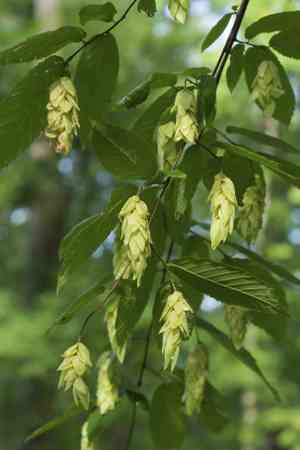
The American hophornbeam, a deciduous understory tree characterized by its unique hop-like fruit, thrives with judicious pruning to preserve its form and vitality. Employ thinning cuts to eliminate deceased or congested branches, preferably in late winter or early spring prior to foliage emergence. Pruning while the tree is dormant stimulates robust development and deters ailments. Refrain from extensive trimming to uphold its inherent shape. Consistent removal of basal shoots and lower branches improves its framework and simplifies upkeep.
What Are the Benefits of Pruning American Hophornbeam?
What Are the Benefits of Pruning American Hophornbeam?
Trimming american hophornbeam promotes more vigorous development by eliminating aged, unproductive wood and assists in maintaining a desired form, preventing excessive growth and fostering a robust, visually appealing structure.
What Is the Best Time for Pruning American Hophornbeam?
What Is the Best Time for Pruning American Hophornbeam?
During late winter to early spring, american hophornbeam remains dormant, which minimizes sap loss and lowers the chance of disease and pest infestation at cut locations. This timing also prevents disruption of the late spring to early summer flowering cycle. Pruning during this period encourages strong spring growth, leveraging the plant's natural growth pattern while ensuring wounds heal effectively before new growth emerges.
What Tools Do I Need to Prune American Hophornbeam?
Hand pruners
Crucial for cutting smaller branches up to ¾ inches in diameter, hand pruners offer precision and are easy to manage for shaping american hophornbeam or removing dead material.
Loppers
Perfect for larger branches that hand pruners cannot manage, typically those between ¾ inches and 1½ inches in diameter. They provide additional leverage and reach, essential for preserving the structural integrity of american hophornbeam.
Pruning saw
Required for the thickest branches, exceeding 1½ inches in diameter, which cannot be handled by hand pruners or loppers. This tool ensures a clean cut without harming the rest of american hophornbeam.
Pole pruner
Helpful for reaching higher limbs without needing a ladder. Ensure safety when trimming overhead branches of american hophornbeam.
Hedge shears
Optional, for shaping hedges if american hophornbeam is utilized for a hedge or screening purpose, necessitating regular shaping and size upkeep.
Gloves and Safety Gear
Always advised to safeguard hands and eyes from sharp branches and debris while pruning american hophornbeam.
How to Prune American Hophornbeam
Step1: Timing of Pruning
Initiate the pruning process for american hophornbeam in late winter or early spring before new growth begins. This timing allows the plant to recover quickly without stressing it during the active growing season.
Step2: Tool Sterilization
Sanitize your pruning tools with a mixture of 1 part bleach to 9 parts water to prevent disease transmission. Rinse and dry the tools prior to use.
Step3: Dead Wood Identification
Identify dead wood by looking for branches lacking buds or exhibiting a brittle texture and a dull, lifeless appearance. Dead wood can be removed at any time of year and should be the first to go.
Step4: Dead Wood Removal
Make clean cuts to remove dead wood, cutting back to its point of origin or to a lateral branch that is at least one-third the diameter of the limb being removed. Use anvil pruners for deadwood to avoid crushing living tissue.
Step5: Disease Detection
Inspect american hophornbeam for diseased limbs, which may show signs of discoloration, cankers, or unusual growths. Isolate these from healthy branches to assess the extent of the disease.
Step6: Pruning Diseased Limbs
Prune diseased limbs by cutting at least 6-8 inches into healthy wood beyond the visible infection point to ensure all diseased tissue is removed, making cuts just above a bud or branch to promote proper healing.
Step7: Damaged Branch Assessment
Examine american hophornbeam for damaged branches, such as those that are broken, split, or have been injured by weather events or mechanical damage.
Step8: Trimming Damaged Branches
Trim damaged branches by cutting just above a node or lateral branch. If the damage is extensive, the entire branch may need removal. Saw carefully to avoid tearing the bark or causing additional damage.
Step9: Shape and Airflow Improvement
After removing dead, diseased, or damaged wood, step back to observe the overall shape of american hophornbeam. Identify any branches that are crossing, rubbing, or growing inward towards the tree's center, as these can be pruned to improve air circulation and light penetration.
Step10: Thinning for Structure and Shape
Thin out crowded areas to enhance the shape and structure of american hophornbeam, cutting back to a main branch or to a healthy outward-facing bud or lateral branch. This encourages growth in a desirable direction and maintains the tree's natural form.
Step11: Wound Sealing
Seal any wounds larger than 1 inch in diameter with a wound dressing or pruning paint to protect american hophornbeam from insects and disease.
Step12: Debris Cleanup
Clean up all debris, including fallen leaves, twigs, and branches, to prevent disease spread and to keep the area around american hophornbeam tidy. Dispose of diseased material properly, not in your compost pile.
Step13: Post-Pruning Care
Water and mulch around american hophornbeam after pruning to ensure it recovers well, and to provide a healthy growing environment.
Post-Pruning Care for American Hophornbeam
Post-Pruning Care for American Hophornbeam
Following pruning of american hophornbeam, promptly seal larger cuts with a tree wound sealant to guard against disease. Ensure american hophornbeam receives filtered sunlight and maintain moderate humidity to lessen stress. Adjust watering to prevent soil waterlogging, reflecting reduced transpiration needs. Apply a balanced, slow-release fertilizer to aid recovery, avoiding high-nitrogen formulas that could stimulate vulnerable new growth. Regularly check for wilting or discoloration as these may signal stress or infection. If signs are present, assess and correct environmental conditions, and if necessary, consult an arborist for disease management.
Common Pruning Mistakes with American Hophornbeam
Avoid Over-Pruning to Prevent Stress and Poor Growth
Excessive pruning, which can stress american hophornbeam and lead to poor health and development.
Prune with Purpose to Avoid Unnecessary Cuts
Pruning without a clear goal, resulting in needless cuts or shaping that does not benefit american hophornbeam.
Use Sharp, Clean Tools for Healthy Cuts
Utilizing dull or unsanitized tools, potentially causing jagged cuts that are vulnerable to pests and diseases.
Cut Correctly Near Buds or Trunk to Promote Healing
Cutting too close to the main trunk or too far from the bud, which can harm american hophornbeam's structure or impede proper healing.
Remove Weak, Damaged, or Diseased Branches as Priority
Neglecting weak, damaged, or diseased branches that should be prioritized for removal to maintain the health of american hophornbeam.
Common Pruning Tips for American Hophornbeam
Make Clean Cuts with Sharp, Sanitized Shears
Employ sharp, clean pruning shears to make precise cuts that will heal quickly, reducing the risk of disease for american hophornbeam.
Cut Above Outward-Facing Buds to Enhance Air Circulation
When trimming branches, cut just above an outward-facing bud to direct new growth away from the center of american hophornbeam, improving air circulation.
Remove Suckers and Dead Branches for Better Health
Regularly remove any suckers, water sprouts, or diseased, damaged, and dead branches to maintain american hophornbeam's health and form.
Selectively Shape to Maintain Natural Form and Strength
When shaping american hophornbeam, make selective cuts to maintain its natural form, avoiding excessive topping or shearing that can lead to weakened structure.
Prune for Balanced Framework and Long-term Health
Consider the overall structure and long-term health of american hophornbeam when pruning, aiming to create a balanced framework of strong branches.



